


Filmmaker goes on poignant 3-year, behind-the-scenes journey to Merrie Monarch with leaders of one hālau
Zilla Barbosa's documentary "Making the Line" started as a desire to peak behind the curtain of hula in Hawaiʻi, but it became symbolic of the human condition.
Zilla Barbosa’s documentary started as a desire to peak behind the curtain of hula in Hawaiʻi. But it became symbolic of the human condition, and what we do when our world seemingly falls apart.
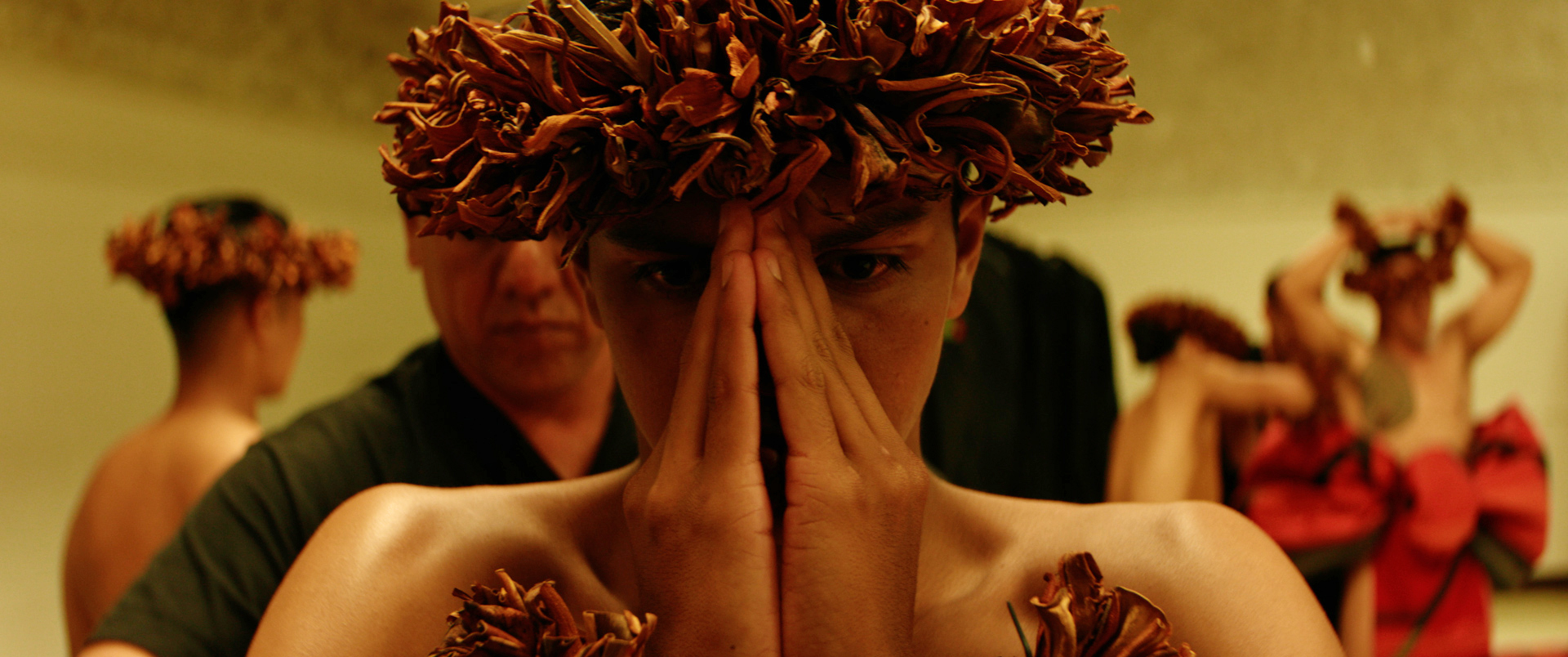
“Making the Line” follows Hālau Hiʻiakaināmakalehua, nā kumu hula Robert Keʻano Kaʻupu IV and Lono Padilla, and their journey to Merrie Monarch over the past 3 years.
Barbosa directed and produced the character-driven documentary that is being shown at the Hawaiʻi International Film Festival.
“As a local girl growing up in Hawaiʻi, I didn’t dance hula, but I watched Merrie Monarch and have been enthralled with the practice,” Barbosa said.
When she moved to Los Angeles years ago, she found herself watching the hula contest alone for the first time, and zoning in on the details.
“I began to wonder what the journey to Merrie Monarch really looks like, because we only see the seven minutes they put on stage every year,” she said.
Who are these kumu hula and why do they do what they do? What does it take to prepare for Merrie Monarch? How do you make the line?
In “Making the Line,” both Kaʻupu and Padilla answer those questions.
“Making the line basically asks, are you up to the same caliber that we are expecting? Or are you meeting the expectation we have in our head for what this hula performance should be?” Padilla said in the film.
“If you donʻt make the line, it’s not that you aren’t good enough. It’s that you didn’t do your kuleana to be on the line. You have to take on the responsibility to get the privilege to compete with us,” Kaʻupu said in the film.
“There are incredible films about hula from the past, but I couldn’t find anything contemporary that really fed me the answers I wanted, so I decided to find the answers myself,” Barbosa said. “I didn’t plan for it to take 3 years, but the film became much more character-driven than I ever imagined.”
Before “Making the Line,” Barbosa had experience filming live music and concerts for television, but spent most of her professional career in radio. She rose from assistant to producer for Los Angeles’ NPR affiliate, KCRW. She is now the executive producer of music for Hawaiʻi Public Radio and the host of its Monday night show, as well as founder of Vault Films, an independent production company.
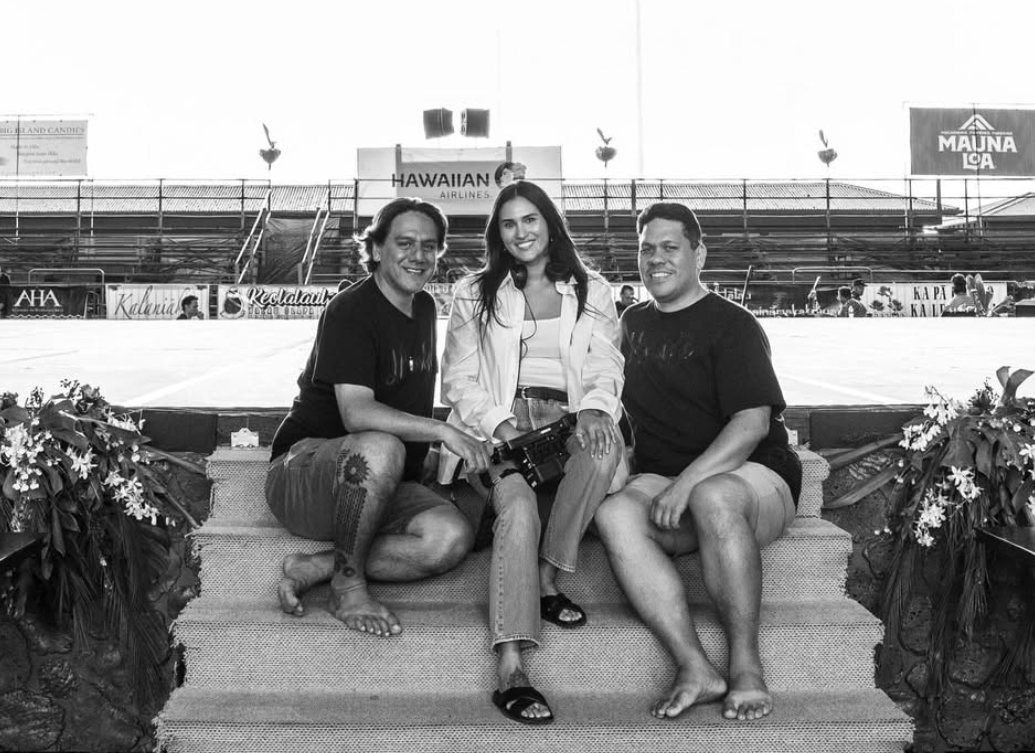
Barbosa had a couple other hālau in mind before she started filming, but when she met Kaʻupu and Padilla she felt their authenticity. The two queer kumu have been partners for 23 years and opened Hālau Hiʻiakaināmakalehua in 2008 after they completed their ‘ūniki ceremonies, which are traditional Hawaiian graduations that represents the highest level of mastery and the formal transmission of ancestral knowledge.
In 2024, Barbosa, Kaʻupu and Padilla started the film journey together.
“They are incredible human beings to observe and talk to, and for whatever reason, when you put a camera in front of them they forget you are there,” Barbosa said. “That’s all you want as a documentarian is the ability to capture the authenticity of what is going on in the moment. Every time I was with the hālau, I had the attitude of being a guest in a home because I never wanted to take the access I was given for granted.”
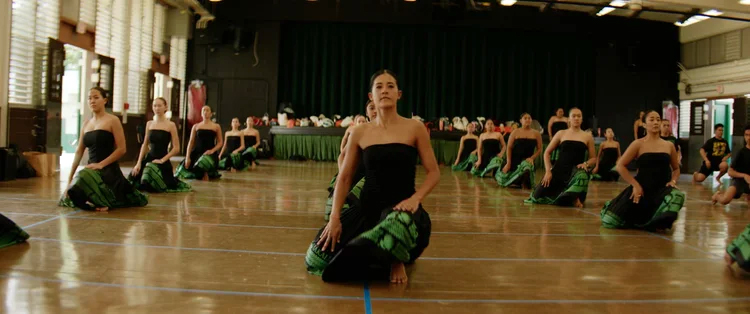
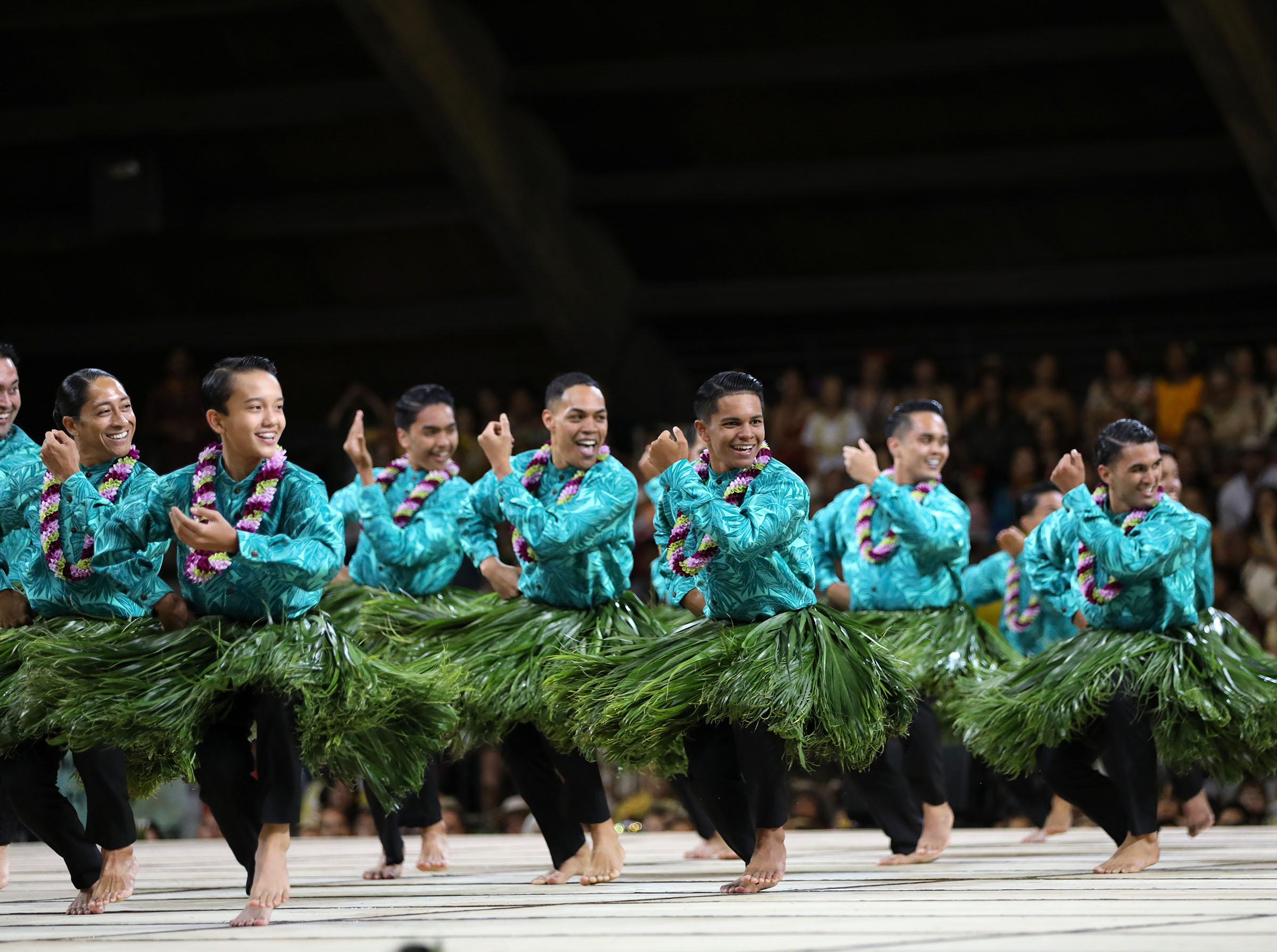
Hālau Hiʻiakaināmakalehua began competing in the Merrie Monarch Festival in 2014. Ten years later, Barbosa began filming their hālau as they prepared for the competition in 2024.
Throughout the first year of filming, Barbosa felt like she captured the story of the hālau’s journey to Merrie Monarch, with its kane (men) winning overall.
In 2025, she was editing the documentary and filming extra shots with the hālau when Kauʻpu and Padilla broke the news that they were ending their relationship. Kauʻpu was going to take over the hālau after Merrie Monarch.
Although shocked by the turn of events, Barbosa knew she would have to keep filming for the documentary to be authentic.
“For me, even though I invested my entire life and savings into this project, I told them that if they wanted to call this off, they could,” Barbosa said. “Surpringsly to me, they said no.
“They told me to lean in and to tell the truth, which was kind of the theme of our dynamic. When things feel hard or intense, just tell the truth. They did not want to do a film any other way.”
Barbosa filmed Padilla’s last Merrie Monarch in 2025, which revealed how different everything felt compared to the year before. Their interviews were separate. The students were affected by the change. But the ending still did not feel authentic in Barbosa’s eyes.
“If I ended the film in that second year, it would be sad and maybe a little hopeful, but still uncertain,” Barbosa said. “I was in the edit going back and forth and I realized that Keʻano (Kaʻupu) was going to be preparing for Merrie Monarch by himself and that felt symbolic to something everyone will experience. When your world falls apart, what do you do?”
Barbosa continued: “Everyone in their life will experience an explosion and a feeling of everything falling apart. However, the break up doesn’t have to be the point. For Keʻano, he made the choice to keep going. Yes something terrible happened, but what was he going to do? Well, he won Keiki Hula by himself and Merrie Monarch Overall by himself.”
After filming Merrie Monarch this year, Barbosa had to edit 300 hours of film shot over 3 years into a 90-minute documentary. It was not easy. But completing the film became her kuleana (responsibility), even if it felt impossible.
“This was not funded by a grant. This money came from my pocket, my producers’ pockets and the pockets of ‘Regular Joe’ investors who were people who believed in the project,” Barbosa said. “I was dead set on telling a story that was born from my curiosity and it was hard on my mental health.”
When she decided to continue making the film, Barbosa moved back to Hawaiʻi from Los Angeles and lived with her mom.
“I didn’t have a job for a long time and felt some low lows,” Barbosa said. “Now that it’s out, there is momentum and support, but I don’t want to ignore that the process of making the film is grueling and not easy.”
Barbosa and her production team are currently seeking to raise $80,000 to cover final post-production costs for “Making the Line.” More information is available on the film’s website.
After the momentum from “Making the Line” ends, Barbosa hopes to continue talking about the filmmaking process and be honest about what it takes mentally, physically and emotionally to dedicate your life to finding answers to an “obsessive curiosity.”
The film premiered during the Hawaiʻi International Film Festival in Oʻahu last month and was honored by the jury with the Best Made in Hawaiʻi Feature award.
“The film thoughtfully captures an intense emotional journey often kept behind-the-scenes and celebrates the grit, determination and perseverance required to uphold Hawaiian excellence,” the jury said.
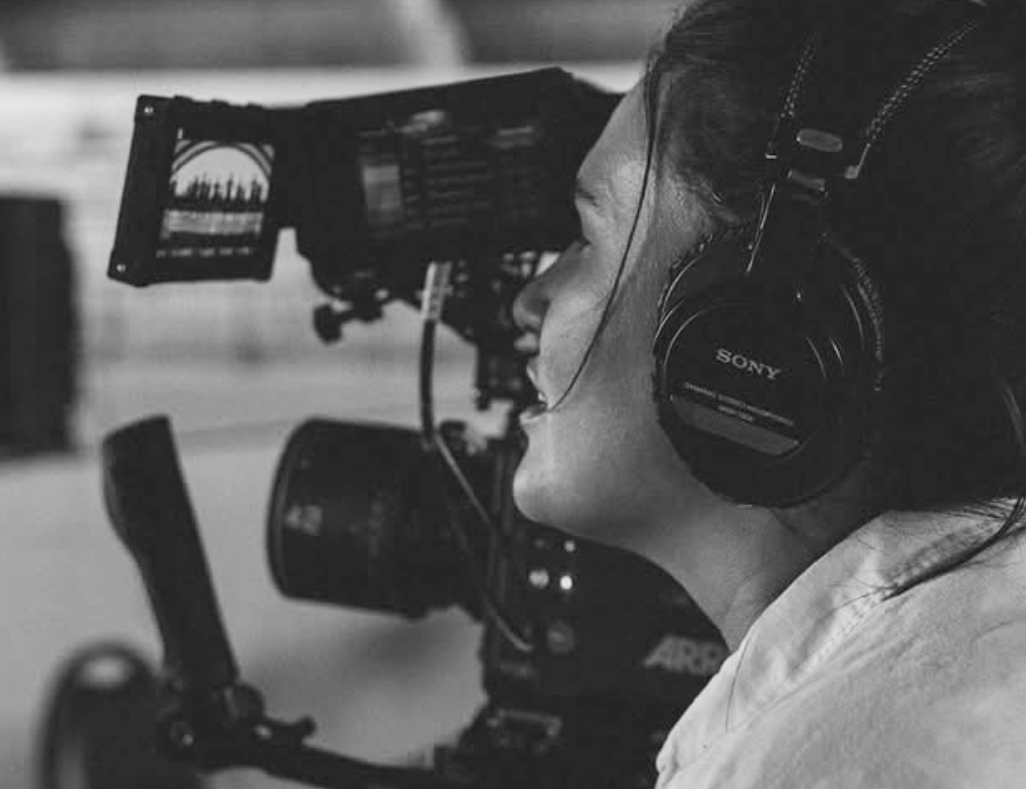
Although she is proud of how the film has been received by critics and audiences, Barbosa was most nervous about how Kaʻupu and Padilla felt about the film.
“The critics and audience feedback has been amazing, but what was most important to me was Keʻano and Lono and how they felt about it,” Barbosa said. “They ended up telling me that I fulfilled my kuleana and did justice by them, which was all I needed to hear.”
Since Barbosa did not go to film school, “Making the Line” ended up becoming her education into filmmaking. especially as the film forced her to change course. She realized that although the point originally was to take a look behind the curtain of competitive hula, it has become a symbol for cultural identity, and what it means to be Hawaiian in a rapidly changing world.
“I hope this reaches as many people as it can because it is a story about contemporary Hawaiʻi and what is happening right now,” Barbosa said. “Merrie Monarch is known around the world, but if the film can shine another positive light on hula as a cultural practice, then I have done my job and have done my kuleana.”
“Making the Line,” part of the Hawaiʻi International Film Festival, is showing at the Kahilu Theatre in Waimea at 7:30 p.m. on Sunday and at the Palace Theater in Hilo at 8 p.m. on Saturday, Nov. 14.
A full schedule of films and tickets can be found on the Hawaiʻi International Film Festival website.