


Kona Historical Society is in jeopardy of closing; needs to raise $200,000 by Dec. 31
The Kona Historical Society should be celebrating its 50th birthday, but instead the nonprofit is trying to raise money to repair earthquake damage and stay afloat.
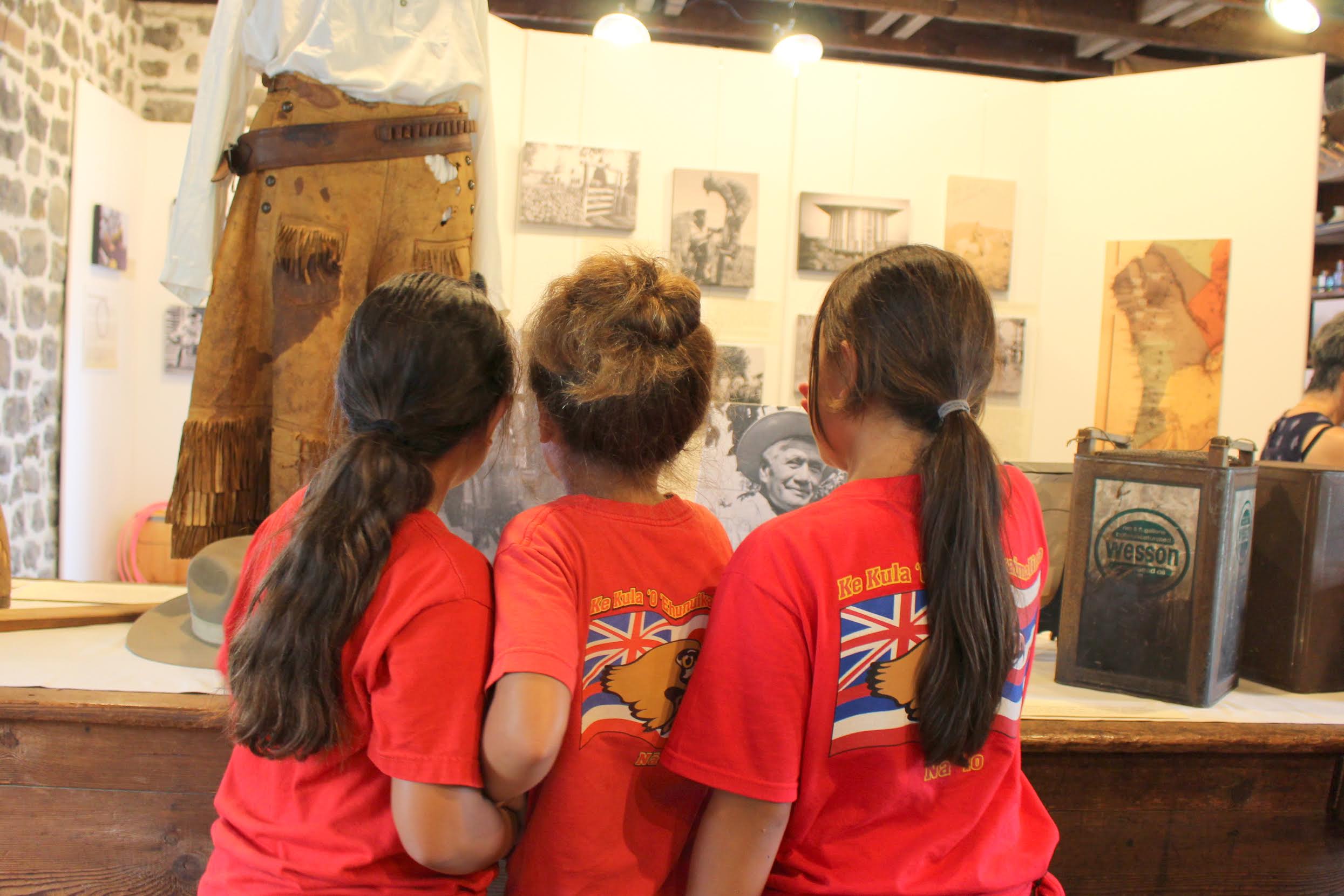
The Kona Historical Society was founded in 1976 to collect, preserve and share the history of the Kona districts and their rich cultural heritage that includes coffee farming and ranching.
The society operates two historical sites, the Kona Coffee Living History Farm in Captain Cook and the H.N. Greenwell Store in Kealakekua. The now extensive historical archive of 50,000 photos is housed in the store’s basement that is open to the public.
Buggins Ha‘alilo, a Kona resident and retired preschool teacher for Kamehameha Schools, described the society as an historical icon to the Kona community.
“My grandmother, she ranched here in Kona,” said Ha‘alilo, who has been volunteering with the society for 25 years. “So there are old photos of her, pictures of family members that would take cattle from Keauhou Bay when they would swim them out to the ships and ship them out.”
The Kona Historical Society should be celebrating its 50th birthday, but instead it is desperately trying to raise $200,000 by Dec. 31 to stay afloat.
Laysan Unger, president of the board of directors for the Kona Historical Society, said the money is needed to remain open to the public, while providing the staff with the time and resources needed to reorganize, restructure and build a more sustainable future.
Unger said the nonprofit never regained its financial footing after being forced to temporarily close during the COVID-19 pandemic in 2020.
“We have gotten to the point where there’s just been a really significant financial crunch with limited memberships, limited donations, and then just less grant money,” Unger said.
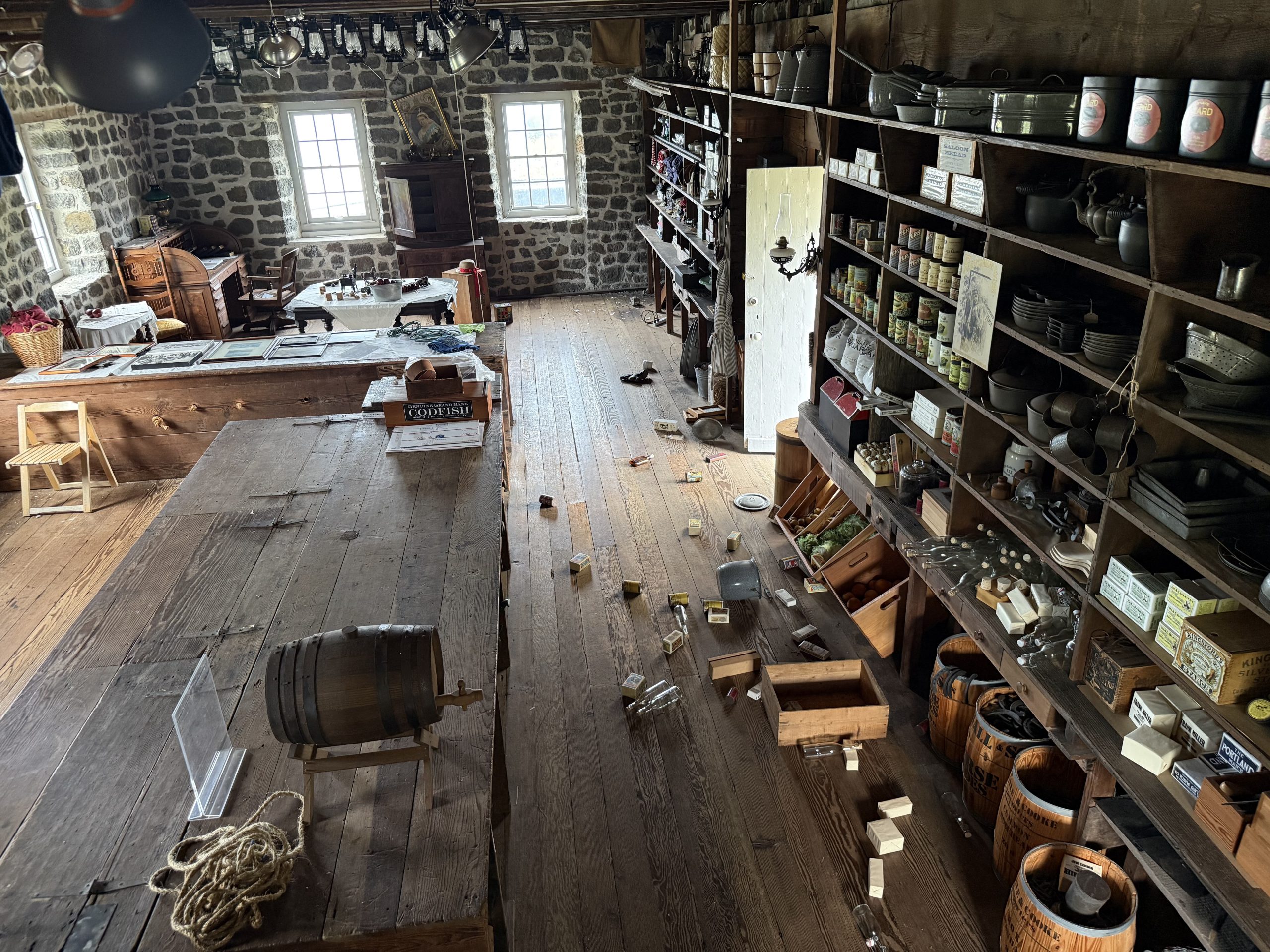
The financial woes were compouned by the May 22 earthquake that left the historic H.N. Greenwell Store Museum in Kealakekua in shambles, forcing them to close it until the staff could get it cleaned up and repaired.
The nonprofit took another hit when they failed to secure a Grants in Action grant from the state. This was a grant the organization usually received annually to pay for administrative and staffing costs.
“In the last few weeks, the board has taken a really hard look at our finances, our offerings, the way the organization is run and the money coming in and going out, and that’s what prompted this community donation campaign and some hard decisions that we’re making,” Unger said.
The cost to run the historical society varies depending on the programs that are being offered.
“Like most organizations, staffing costs are our biggest expense and so we are really dependent on volunteers as well to do things like keep our museums open,” Unger said. “It costs about $20,000 a month when we are running pretty lean.”
After evaluating the lack of grants and the current lean budget, Unger said the board looked at projections of membership dues and donations along with potential grants that help the Kona Historical Society stay open.
The $200,000 will stabilize the organization financially while also helping the nonprofit get back to the free and low-cost community programming that they’ve been doing for 50 years.
“It is a really ambitious goal, and we are really empathetic to the fact that we’re not the only ones who need community support right now,” Unger said.
If the nonprofit reaches its goal, some of that money will be directed at the H.N. Greenwell Store Museum and the Kona Coffee Living History Farm.
“They both need work,” Unger said. “They need work that can only be done financially.
“The Kona Coffee Living History Farm needs regular landscaping to make it a welcoming place for visitors. Similarly, we need to repair the masonry on the Greenwell Store building because of the damage that it took during the earthquake.”
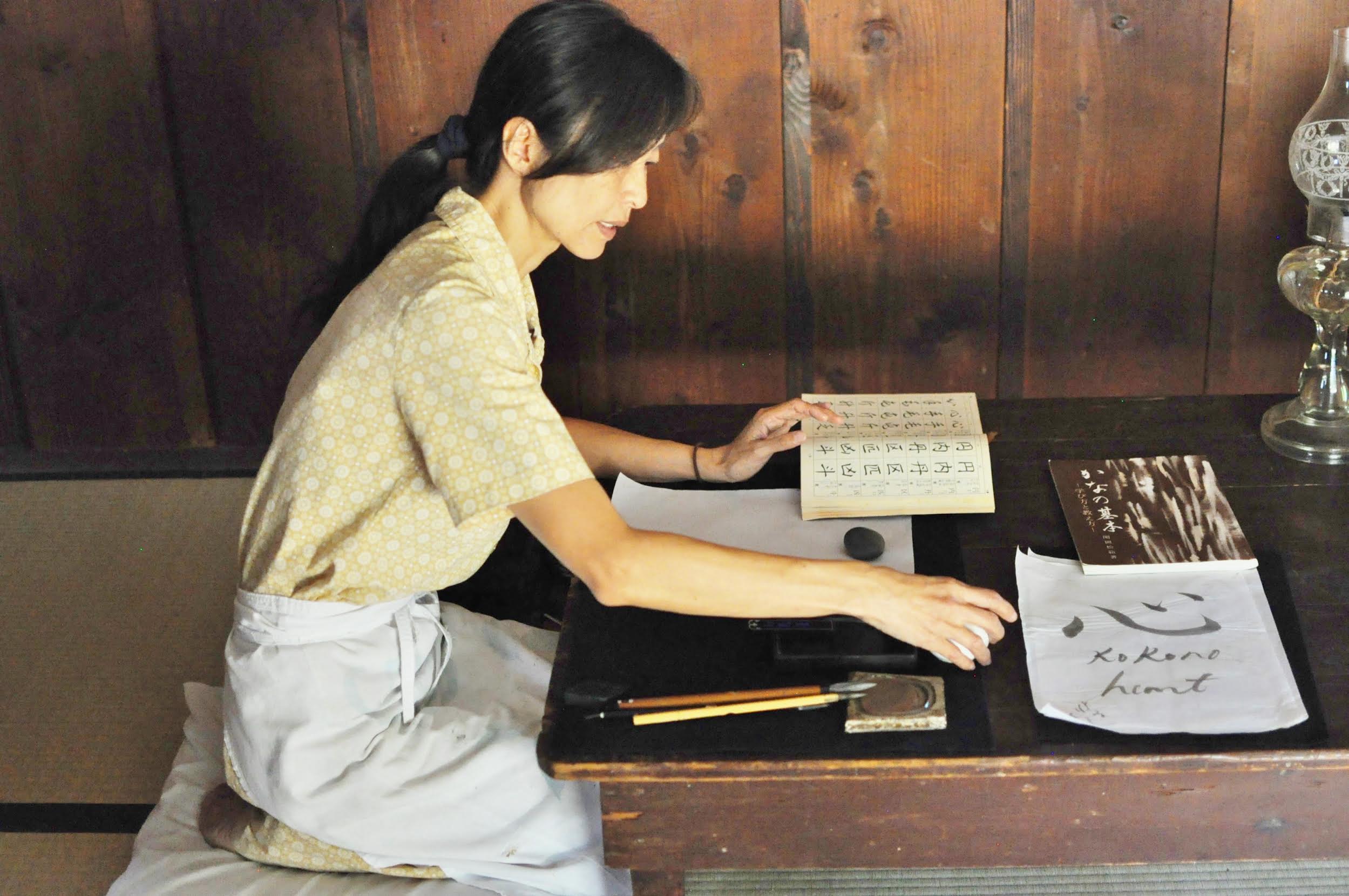
H.N. Greenwell, which is Kona’s oldest surviving store, is also one of Hawai’i’s oldest stone buildings and on the national and state registers of historical places. It was built in circa 1851 and originally served as a store and post office, and was later turned into a warehouse for the Greenwell ranch. While the building is structurally sound, it needs cosmetic repairs after the earthquake cracked its walls, Unger said.
Board members of the Kona Historical Society have an all-day strategy session and work party planned to get the store open again.
“The goal is to clean up the store and get it to a place where we can reopen it to the public,” Unger said.
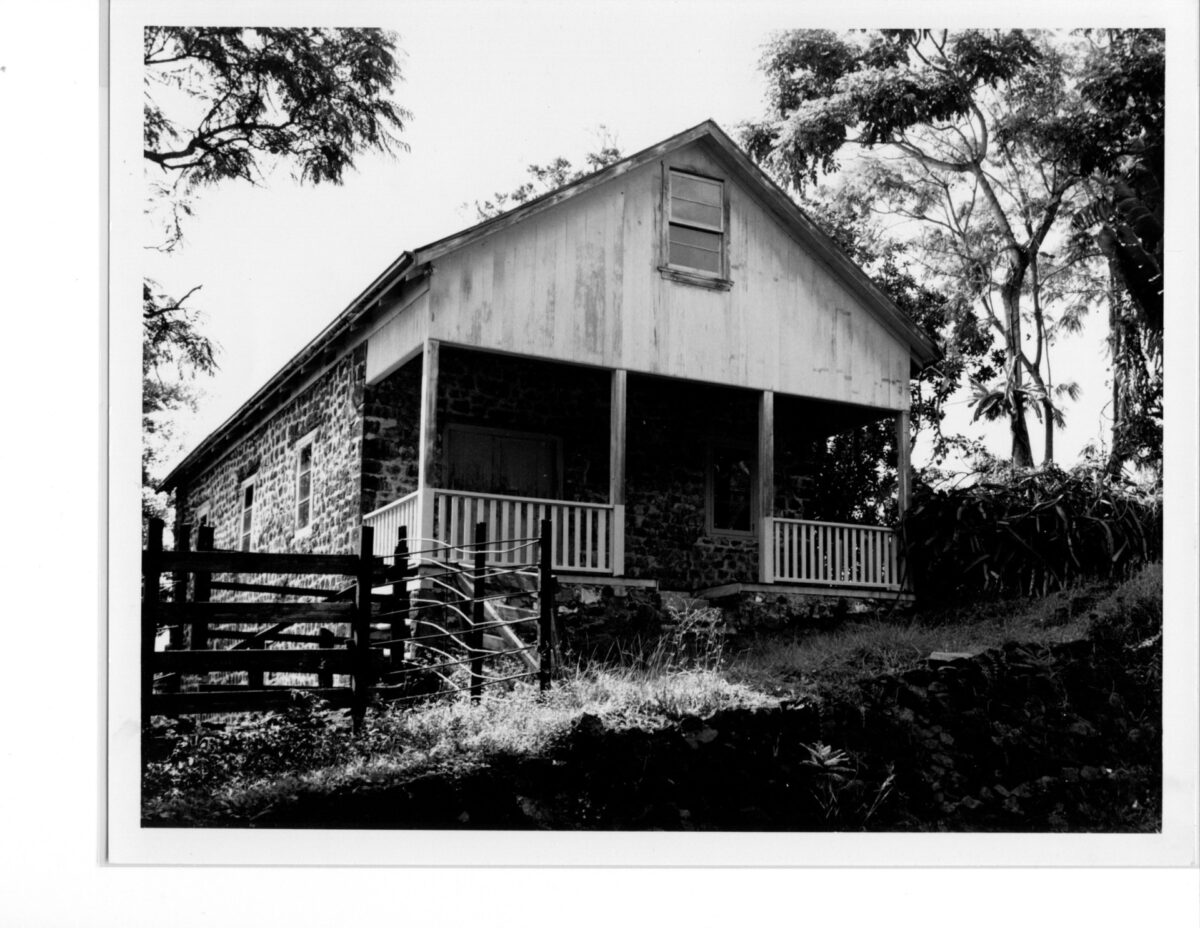
“In the basement of the store, we host the Gene Greenwell Library and Archives, and this archive has more than 50,000 historical photographs,” Unger said. “We also have diaries, journals, letters, family materials, land documents, newspapers and articles from Kona, from the history of Kona.”
After the magnitude-6 tremor, Unger said, the historical society was forced to close the general store, which is the nonprofit’s “flagship museum.”
The building, set up to be a general store as it would have been in the 1800s, had a lot of glass bottles and old wooden boxes that fell off the shelves and broke.
“We have not been in a position to appropriately remedy that damage,” Unger said.
While the fundraiser is running until the end of the year, the board is currently drafting and approving a 2026 stabilization plan that will be their strategy to guide them through the end of the year.
“We’re also drafting and updating our strategic plan to be a short-term 2027-29 strategic plan to guide us in the event that we are able to remain open,” Unger said.
He noted that it would be irresponsible of the board not to also create a contingency plan in the event that they end up needing to wind up the operation.
“So, we’ve also drafted and are approving a contingency wind-up and mission preservation plan with the guiding stars being protecting our archives and maintaining the health and safety of our two donkeys, Shizu and Charlie, that live with the Kona Coffee Living History Farm,” Unger said.
The society would also have to find a new caretaker of the archives.
“That’s something that we desperately want to avoid,” Unger said. “We think that it is our duty to protect these archives and ensure that they have a future, even if that future is not with us.”
The board is exploring options for re-homing the archives if the society is forced to close, with the goal that they’re still accessible to the community.
Ha‘alilo said the Kona Historical Society is a place where people can trace their roots and find out more about the people who lived in the Kona Districts.
“It’s that place-based connection,” she said. “It’s such an integral part of our community growing up.”
Outside of volunteering with the nonprofit, Ha‘alilo, who works for Partners in Development, a nonprofit that navigates social challenges for families to grow self-resiliency, vibrancy, and healthy, secure communities, said she will often bring preschool-age children on excursions to the Kona Coffee Living History Museum.
“These are rich parts of our culture and help connect our students,” she said.
The historical society provides programs where volunteers teach the traditional art of baking Portuguese bread in a large wood-fired stone oven.
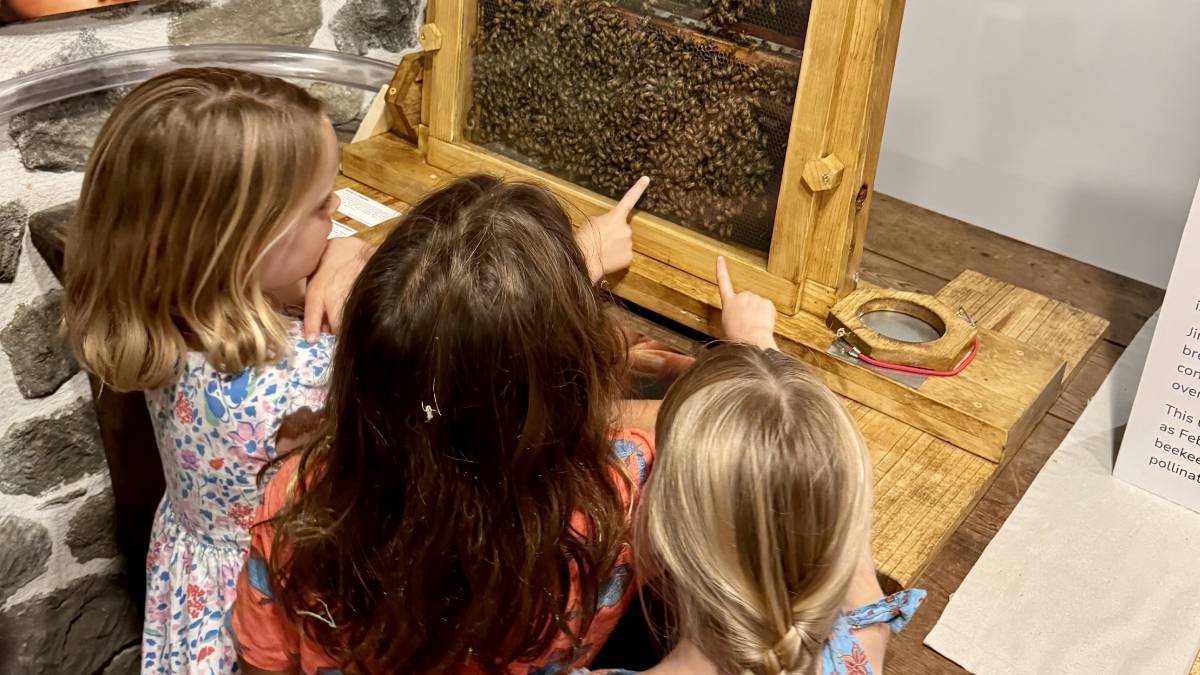
The society also hosts a variety of exhibits. One was the Beekeeping Legacy Exhibit that delved into the history of beekeeping in South Kona, with a documentary that showcases bee yards and the beekeepers that tend to them.
“We have a unique community in that aspect in terms of our history and being self-sufficient,” Ha‘alilo said. “Kona used to be such a rich agricultural community, too, and that is learned through the knowledge that is housed in the historical society.”
Ha‘alilo hopes that the Kona Historical Society can thrive again.
“As our communities change and evolve, it’s important to remember where we’ve been, what our history is, and how we’re connected to our place, especially on our islands, which are isolated in the Pacific,” she said.
While financial support is the Kona Historical Society’s biggest need, Unger said they still rely heavily on volunteers.
“We encourage people who are interested in sharing their time with us in the Kona community to get involved,” she said.
To donate money to the nonprofit’s fundraiser, click here. To volunteer at the Kona Historical Society, click here.