


UH at Hilo seniors among winners of NASA competition to feed astronaut crews on Mars
Leilani Jensen and Raven Kromer's winning design was inspired by Polynesian voyagers and traditional Hawaiian farming techniques.
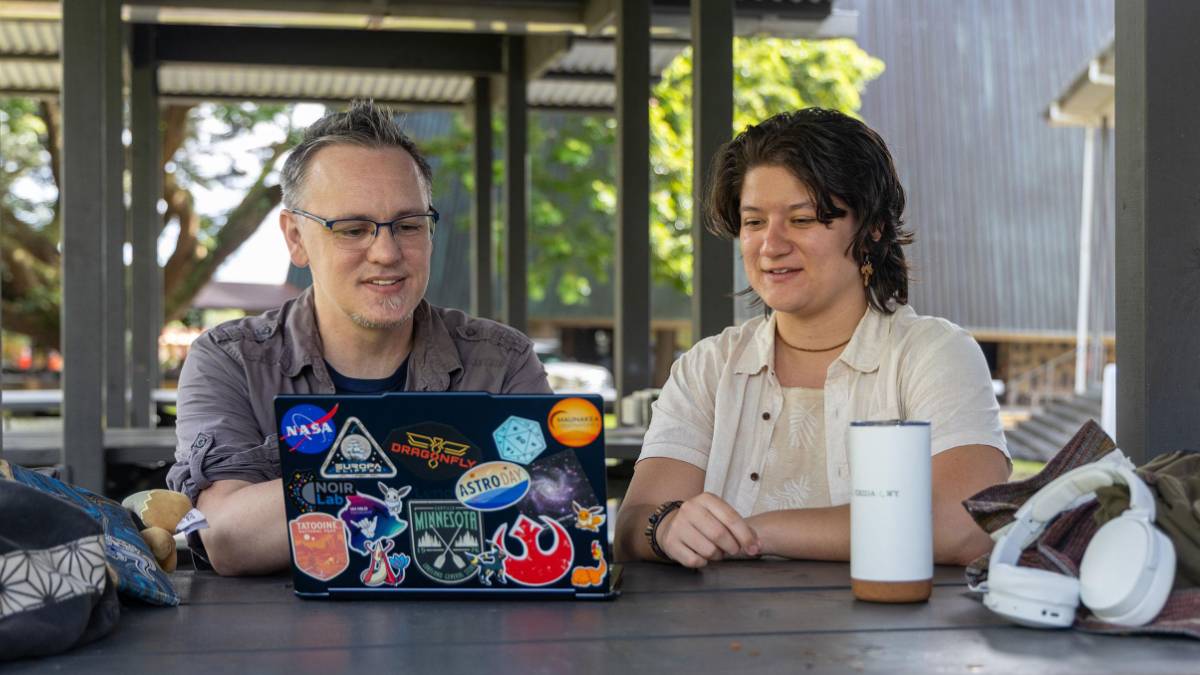
Two University of Hawaiʻi at Hilo students won a $50,000 national NASA award for a design that relies on ancient Hawaiian farming techniques to feed astronauts on Mars.
The design submitted by seniors Leilani Jensen and Raven Kromer was one of five winners selected from more than 100 entries in NASA’s Deep Space Food Challenge: Mars to Table, a news release said.
NASA challenged teams to design food systems for Mars missions with limited supplies from Earth.
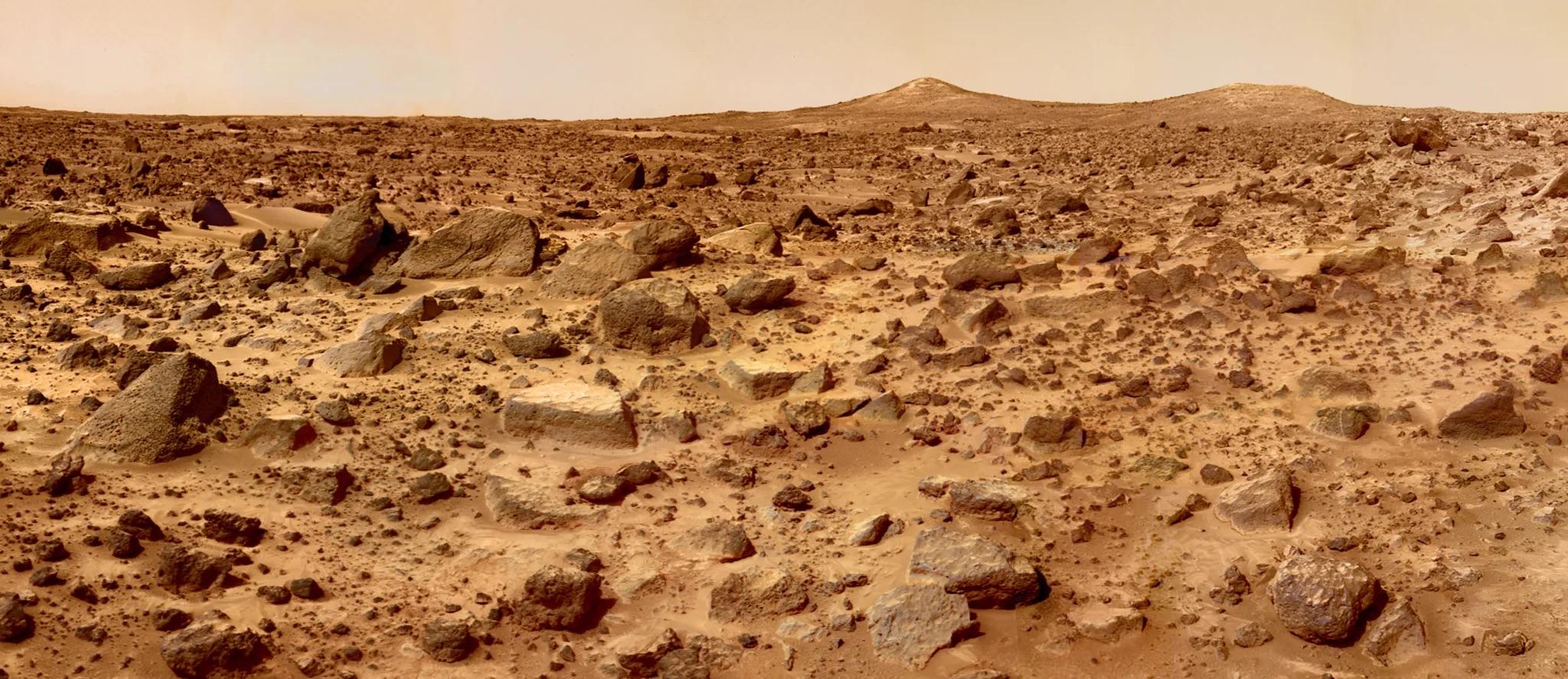
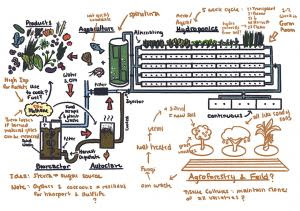
Jensen and Kromer’s design adapts the ancient Hawaiian ahupuaʻa land management system into an agricultural framework for space. By integrating hydroponics, aquaculture, field crops and orchards, their zero-waste design creates a self-sustaining ecosystem.
“We drew upon traditional and indigenous perspectives for how to produce food,” said Jensen, a tropical agroecology and environmental science double major. “It was not about designing for maximized productivity. It was designed so that there’s always food on the table, no matter what happens.”

Their project’s name, ʻOhā Kanu, references the young taro offshoot (ʻohā) and the act of planting (kanu). Unlike standard agricultural models that maximize short-term yield, ʻOhā Kanu focuses on long-term resilience and complete nutrient cycling.
Competitors were from around the world and included corporate research teams.
Their winning framework links four ecological zones where waste from one zone fuels the next. To maintain astronaut health and morale, the pair mapped more than 200 crops, programmed custom USDA nutritional tools, and curated a two-week menu for astronauts.
The national win came despite a major hurdle: Kromer and Jensen discovered the contest in April — three months late. They could only begin working on it full time in May, after spring final exams. Balancing summer jobs and coursework, they spent nights building database tools and refining ecosystem layouts.
“We did get a bit of a late start,” Kromer said with a laugh. “But the nature of the challenge itself — supporting deep space exploration and contributing to NASA’s public science programs, along with its applicability to food security on Earth, especially here in Hawaiʻi — was a strong motivator to keep working at it.”
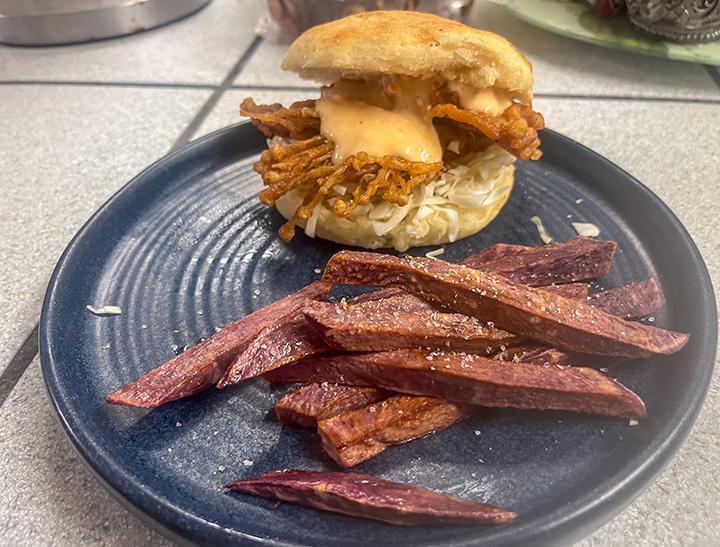
Over the summer, Jensen and Kromer prepared and taste tested menu items, including peanut stew and a mushroom burger.
The seniors, who will graduate in the spring, will use their prize money to fund advanced degrees. Kromer has been accepted at the University of Kent to study icy moon missions.
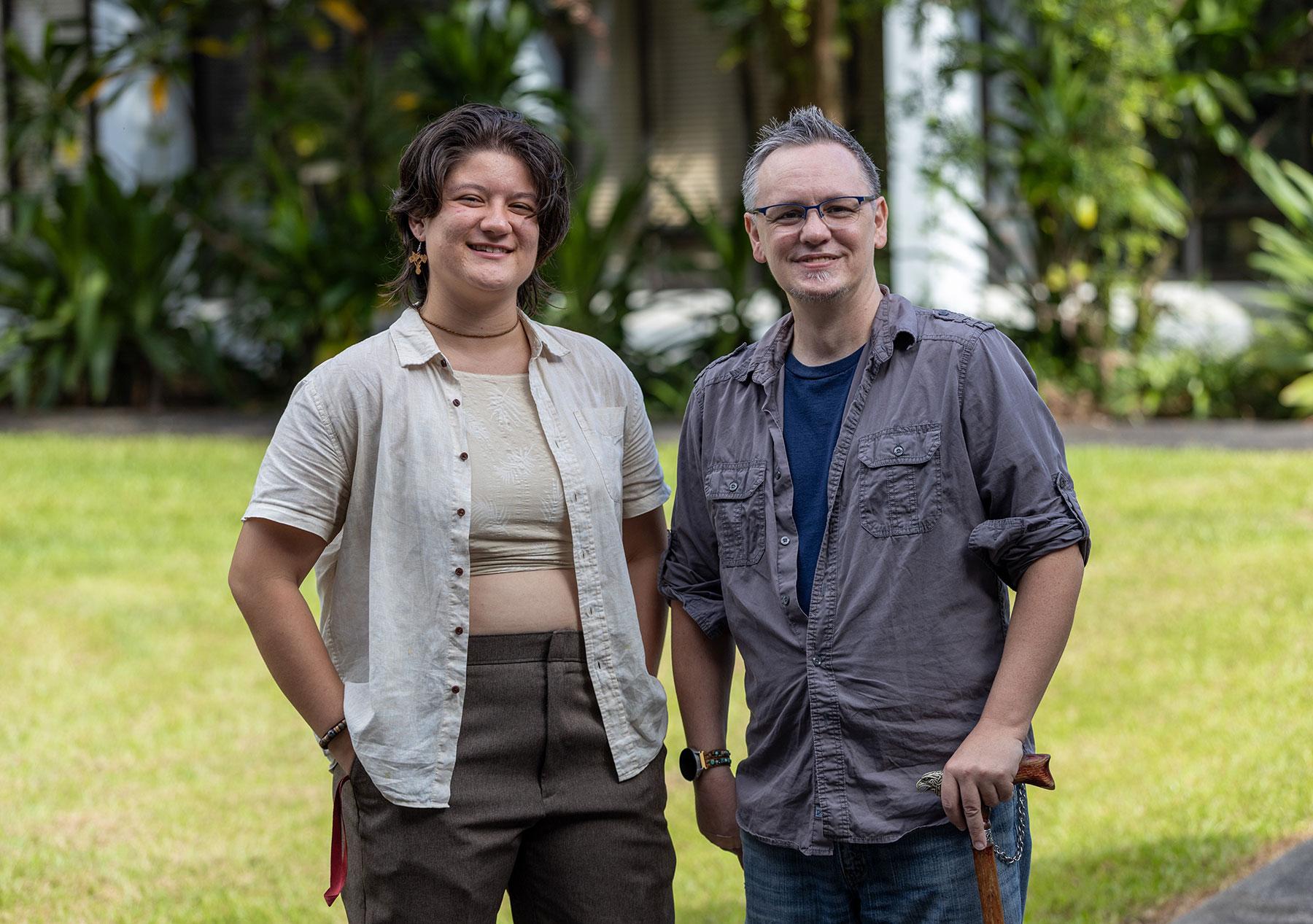
Jensen, a Kamehameha Schools Kapālama graduate born and raised on Hawaiʻi Island, plans to dedicate her career to local food security. But first she plans to study sustainable agriculture and Indigenous resource management at the University of Otago.
“My ultimate goal is to increase food security and environmental protections here in Hawaiʻi,” said Jensen, who runs the College of Agriculture, Forestry, and Natural Resource Management‘s Agriculture Club.