


New documentary looks at history of US military use of Hawai‘i’s public trust lands
The documentary examines how thousands of acres came to be leased for military use, what has occurred on those lands over the ensuing decades, and the cultural, environmental and public trust issues surrounding their future.
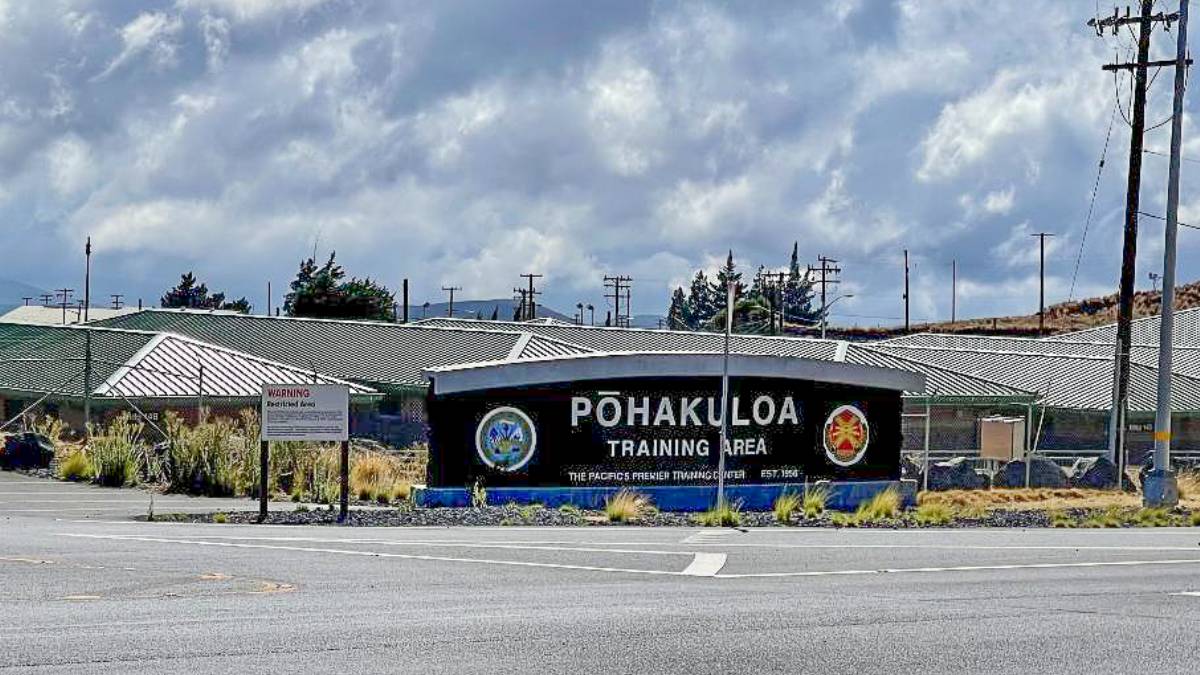
The Office of Hawaiian Affairs has filmed a half-hour documentary examining the history of U.S. military use of Hawaiʻi’s public trust lands and the consequential decisions approaching as longstanding military leases begin to expire.
The film, “Held in Trust: The Future of Hawaiʻi’s Public Lands Beyond Military Leases,” will air statewide on Oct. 8 at 6:30 p.m. on six television stations KGMB, KHNL, KFVE, KITV, KIKU and KHII. It will also be streamed live at www.oha.org/aloha-aina.
“For more than six decades, these leases have simply been part of the landscape of Hawaiʻi, and many people know very little about how they came to be or what their expiration means,” said OHA Board of Trustees Chair Kaialiʻi Kahele. “’Held in Trust’ is an opportunity to know the history before we decide the future. These are decisions involving ʻāina that could have consequences for generations, and the people of Hawaiʻi deserve to understand what is at stake.”
The documentary takes viewers through the history of lands that once formed part of the Crown and Government lands of the Hawaiian Kingdom and today comprise portions of Hawaiʻi’s Public Land Trust, according to a news release from the Office of Hawaiian Affairs.
It examines how thousands of acres came to be leased for military use, what has occurred on those lands over the ensuing decades, and the cultural, environmental and public trust issues surrounding their future.
In 1964, the State of Hawaiʻi, through the Department of Land and Natural Resources, entered into 65-year leases involving thousands of acres of public trust lands for military purposes. Most were issued for $1 for the entire lease term. Military leases and easements held by the Army, Navy and Air Force across the islands begin expiring between 2028 and 2031.
Among the lands involved are the Pōhakuloa Training Area on Hawaiʻi Island and Mākua, Kahuku and Kawailoa-Poamoho training areas on Oʻahu, where Army leases dating to 1964 are scheduled to expire in August 2029.
Other military leases and easements involving public trust lands have expiration dates between 2028 and 2031.
The approaching expirations raise complex questions involving Native Hawaiian rights and interests, the State’s Public Land Trust responsibilities, cultural and natural resources, environmental stewardship, military readiness and national security, and the future disposition and use of the lands, according to the news release.
OHA has made military-leased lands a significant focus of its advocacy and public education efforts as those expiration dates approach. OHA’s Board has established a process to address the leases and has called for its work to be grounded in Native Hawaiian rights and Public Land Trust obligations.
“This documentary is not about telling people what to think,” Kahele said. “It is about giving Hawaiʻi the historical and cultural context needed to have an informed conversation. National security is part of that conversation, but so are Native Hawaiian rights, environmental stewardship, cultural resources and our responsibility to future generations. We want people to watch, learn and become part of that conversation.”
OHA is constitutionally charged with protecting and advocating for Native Hawaiian rights and interests.
OHA has emphasized that the future of military-leased Public Land Trust lands presents a significant federal-state decision point involving national security, fiscal stewardship, cultural protection and constitutional trust obligations.