


Hawai‘i faces $1B in recovery, resilience projects after 4 natural disasters strike in 6 months
As Hawaiʻi faces the threat of being hit by Tropical Storm Nolo, Gov. Josh Green outlined the $686 million in identified damage and recovery costs the islands and the residents already has suffered this year from four natural disasters.
The destruction began with the Kona low storms in March that brought massive flooding across the state, followed by the magnitude-6.0 earthquake that struck the Big Island in May. Then there was Hurricane Lala in August that hit the Big Island the hardest, with Hurricane Lowell coming about three weeks later, devastating Kaua‘i on Labor Day.
During a press conference on Wednesday, Green said a combined 1,290 homes were affected, with 74 destroyed, 451 suffering major damage, 514 with minor damage and 251 others also affected.
“Four major disasters in six months have caused extraordinary damage across our state and made clear that recovery and resilience must move forward together,” Green said.
He said the state also has identified at least $319 million in future resilience and mitigation projects, bringing the total costs to more than $1 billion.
The resilience and mitigation projects include:
- $80 million to modernize the State Emergency Operations Center
- $175 million to harden Honolulu Harbor
- $20 million to study a potential alternate port
- $20 million for community resilience hubs
- $9 million for airport generators
- At least $15 million for natural disaster mitigation
Potential funding sources include federal disaster relief, state insurance, additional appropriations from the Hawai‘i State Legislature, rainy day funds and revenue from the Green Fee, a tourist impact tax paid through lodging.
Kona Lows – March
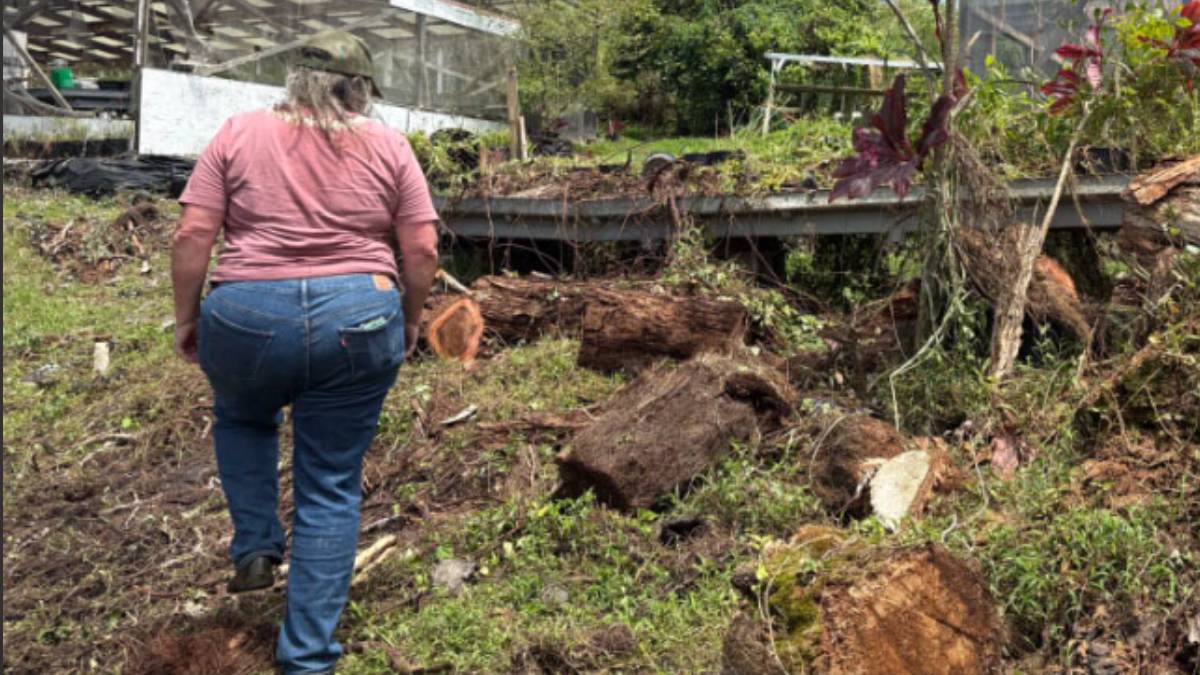
The Kona Low storms were rain events that occurred in March over the course of two weeks, severely impacting the South Kona and Ka‘ū Districts of the Big Island, as well as areas on O‘ahu and Maui.
Current estimates and recovery commitments connected to the March storms total approximately $463.6 million. Preliminary public infrastructure damage is estimated at $44.8 million, including $13.6 million in Hawai‘i County.
Statewide residential impacts include 17 homes destroyed, 210 homes with major damage, 128 with minor damage and 108 homes affected.
The Hawaiʻi State Department of Education identified damage at 54 schools, with approximately $162 million in preliminary repair costs. Among those schools was Konawaena High School that was forced to close temporarily after parts of the building were flooded.
There is also $65 million committed to restoring Maui’s Kula Hospital.
The Department of Agriculture and Biosecurity provided $1,500 emergency grants to approximately 1,300 farmers to help them buy new seeds and clear mud.
“It’s never enough,” Green said.
The Hawai‘i Army National Guard activated 500 personnel during the event. Across the Big Island, Maui and O‘ahu, military rescued or evacuated 138 people. They also delivered 42,000 gallons of water to 3,200 residents and cleared 3,732 cubic yards of debris from 164 homes.
South Kona earthquake – May
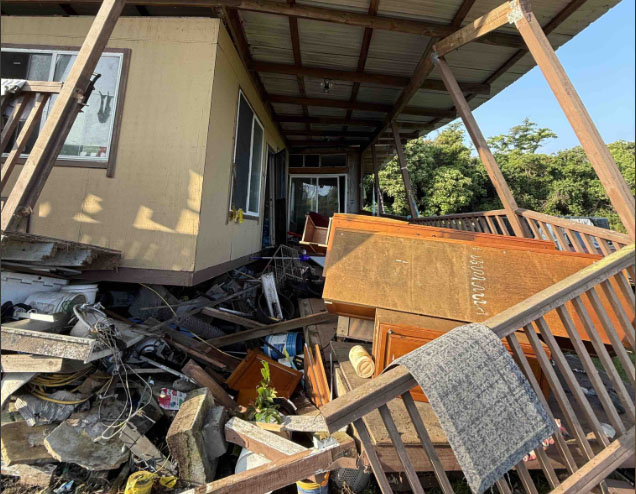
Green’s request for a major disaster declaration for the May 22 temblor was approved Sept. 1.
During the press conference, Green reported that out of the 313 homes affected in the quake, 18 were destroyed, with 92 having major damage and 188 with minor damage.
A comprehensive monetary estimate for public infrastructure damage has not been determined, although the Department of Transportation estimates approximately $1.5 million in highway costs.
There were 107 water catchments damaged or destroyed. And so far, 262 people have registered for assistance from the Federal Emergency Management Agency. The deadline to register is Nov. 1. Visit disasterassistance.gov for details.
The state Department of Labor and Industrial Relations requested $113,000 in federal Disaster Unemployment Assistance funding. Affected farmers and ranchers also were included in the state’s $5 million Emergency Agricultural Relief Program.
Hurricane Lala – August
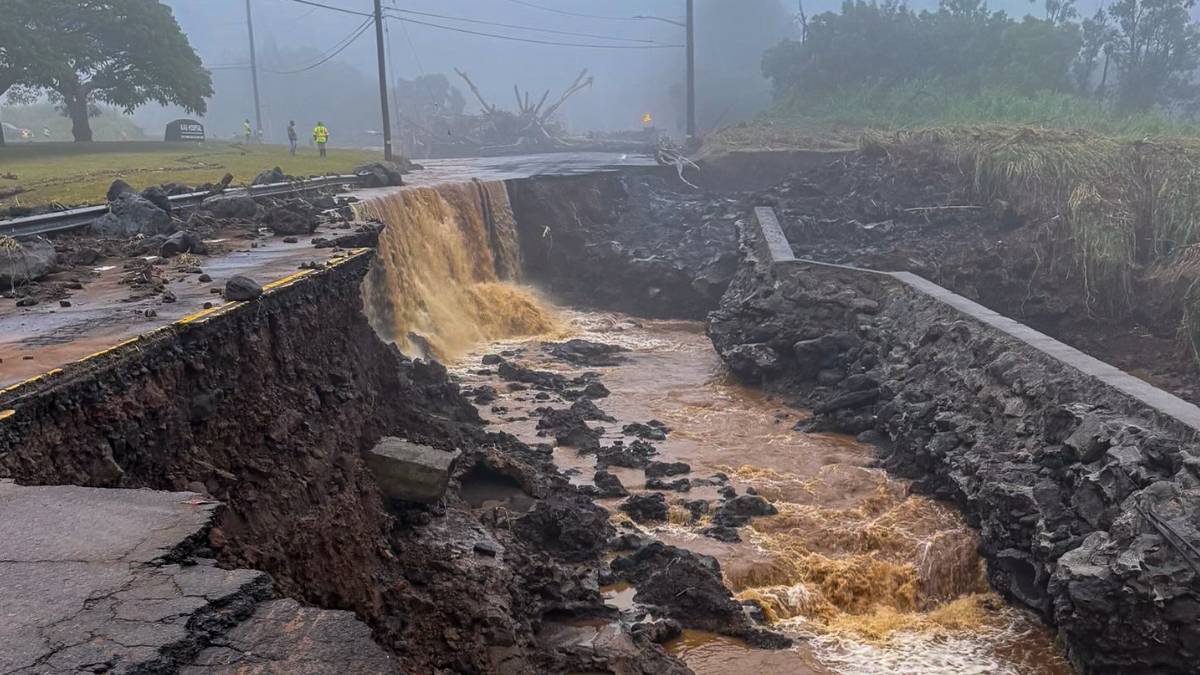
Approximately $108 million in damage is connected to Hurricane Lala, which impacted Hawai‘i Island on Aug. 15.
A Presidential Emergency Declaration was issued on Aug. 25 for impacts related to Lala, which destroyed 27 homes and did much damage to many other homes. The state estimates Hawaiʻi County’s preliminary public infrastructure damage at $48.4 million.
Lala brought high winds, heavy rain and damaging flooding to the Ka‘ū District of the Big Island, leaving much of the area buried in mud, destroying homes and roads, knocking out power, damaging water mains, unearthing graves and taking the lives of two beloved residents.
“The homes that were buried in mud and debris may never be recovered,” Green said Wednesday. “I would expect we’re going to have to build a new part of the town, whether it’s in Wai‘ōhinu or Nā‘ālehu or Pāhala.”
The Hawai‘i Army National Guard activated up to 250 personnel in response to the Category 1 hurricane. They rescued or assisted 16 civilians and two emergency medical personnel during the event and performed 421 wellness checks.
Personnel cleared more than 6.9 miles of roadway and removed 168 tons of debris. The military also helped to coordinate Operation TREK808, the state’s logistics and relief mission, to ship trucks from California through military transport to help Hawaiian Electric restore power to the rural area.
The Hawai‘i Department of Education identified approximately $12.5 million in preliminary damage at 38 schools, including Nā‘ālehu Elementary.
Recovery efforts remain underway in Kaʻū, including emergency repairs along Route 11, debris removal, medical and behavioral health outreach, and temporary housing support.
The Department of Education distributed 3,800 meals to families in Kaʻū. The Department of Human Services issued approximately $18.9 million in replacement Supplemental Nutrition Assistance Program benefits to more than 65,000 households following Lala.
Disaster Mortuary Operational Response Team personnel and other specialists are still assisting with the recovery, identification, documentation and respectful reinterment of human remains displaced at Nā‘ālehu Cemetery.
Department of Labor and Industrial Relations directed nearly $1.4 million to statewide food banks.
With so many residents in Ka‘ū left without a home, Joe Campos, with the Department of Human Services, said the state is sending 12 units from the Ka La‘i Ola housing on Maui, which was first created as a long-term housing option after the Lahaina wildfires.
“We are anticipating that the 12 units will be ready for occupancy by the end of October,” Campos said.
Hurricane Lowell – September
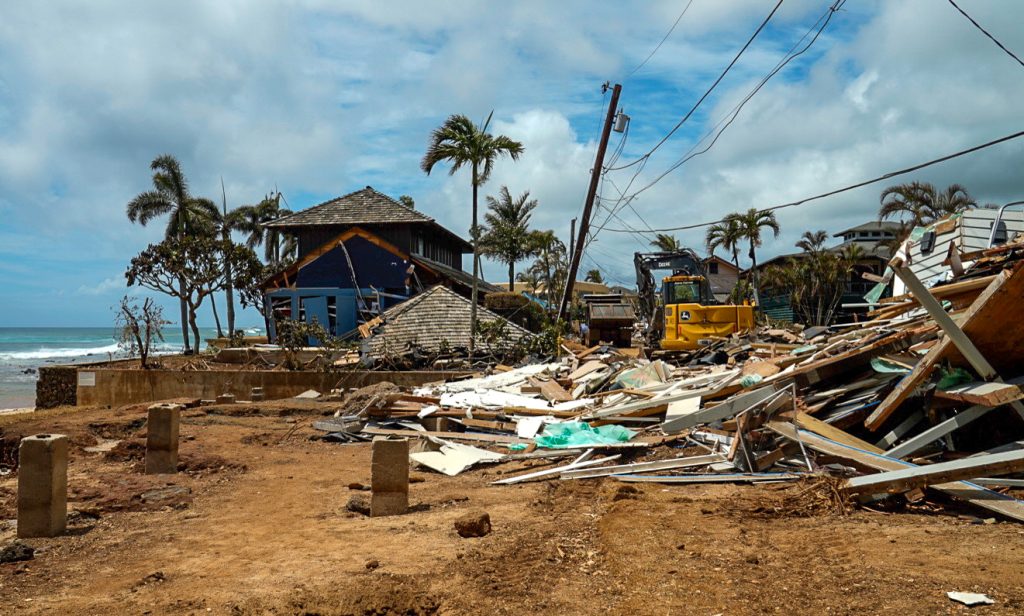
Currently reported damage and recovery estimates connected to Lowell total approximately $112.4 million.
The current preliminary public infrastructure estimate is $100.5 million, including $93.7 million in Kauaʻi County, $6.4 million in Maui County and $430,000 in Hawaiʻi County. Department of Transportation estimates include $3.77 million for sinkhole repairs at Kaumālapaʻu Harbor, $150,000 for debris removal, $1.5 million in airport costs and $6.5 million in highway costs.
The joint preliminary damage assessments for the Category 2 hurricane are still in progress. Lowell brought wind, rain and storm surge to the Garden Island that moved homes off their foundations. Much of the coastal damage was concentrated on the south shore in Po‘ipū.
However, the north shore communities also saw property damage as high winds brought down trees and structures. Power was knocked out to more than 90% of the island.
Lowell affected 247 homes, destroying 10, and 67 other homes were reported to have major damage.
The National Guard activated 300 personnel for the event. The military transported eight dialysis patients and three caregivers from Kaua’i to O’ahu. They also transported 12 TSA agents from O’ahu to Kaua’i to assist with Līhu’e Airport, which was operating on generators.
The military also distributed 2,150 gallons of water along with 243 cases of water on the island along with 2,045 meals.
An expedited request for a Presidential Major Disaster Declaration was submitted, seeking immediate federal assistance for Kaua’i and Maui Counties.
The Department of Health monitored 259 power-dependent Medicare beneficiaries on Kaua’i and provided guidance to 136 public water systems
DHS issued approximately $1.4 million in replacement SNAP benefits to more than 3,700 households following Lowell. The USDA approved the state’s request to extend the reporting deadline for replacement benefits through Oct. 8 for Kauaʻi County households that lost food because of the hurricane.
The Department of Labor and Industrial Relations began accepting Disaster Unemployment Assistance applications through the state unemployment insurance portal at huiclaims.hawaii.gov, pending federal authorization and funding.
The Department of Business, Economic Development and Tourism is also directing $2.5 million toward recovery efforts, with additional details forthcoming.
Slides from the news conference can be found here. To see the news conference, click here.