

‘A place where they can pause, reset’: Sensory spaces expand to all University of Hawaiʻi campuses
A sensory-friendly initiative that began at University of Hawaiʻi at Mānoa now is available at all 10 university campuses statewide, giving students, faculty and staff access to tools designed to reduce stress, improve focus and support overall well-being.
The effort is led by the University of Hawaiʻi at Mānoa Center on Disability Studies CAMP+U initiative.
CAMP+U collaborated with the Office of Faculty Development and Academic Support 2 years ago to open Mānoa’s first sensory room, providing a quiet space where campus community members can decompress, regulate emotions and recharge from the demands of daily campus life.
The initiative partnered with every university campus, building on that success, to provide a portable sensory kit that can be used to create sensory rooms, integrated sensory spaces or pop-up experiences.
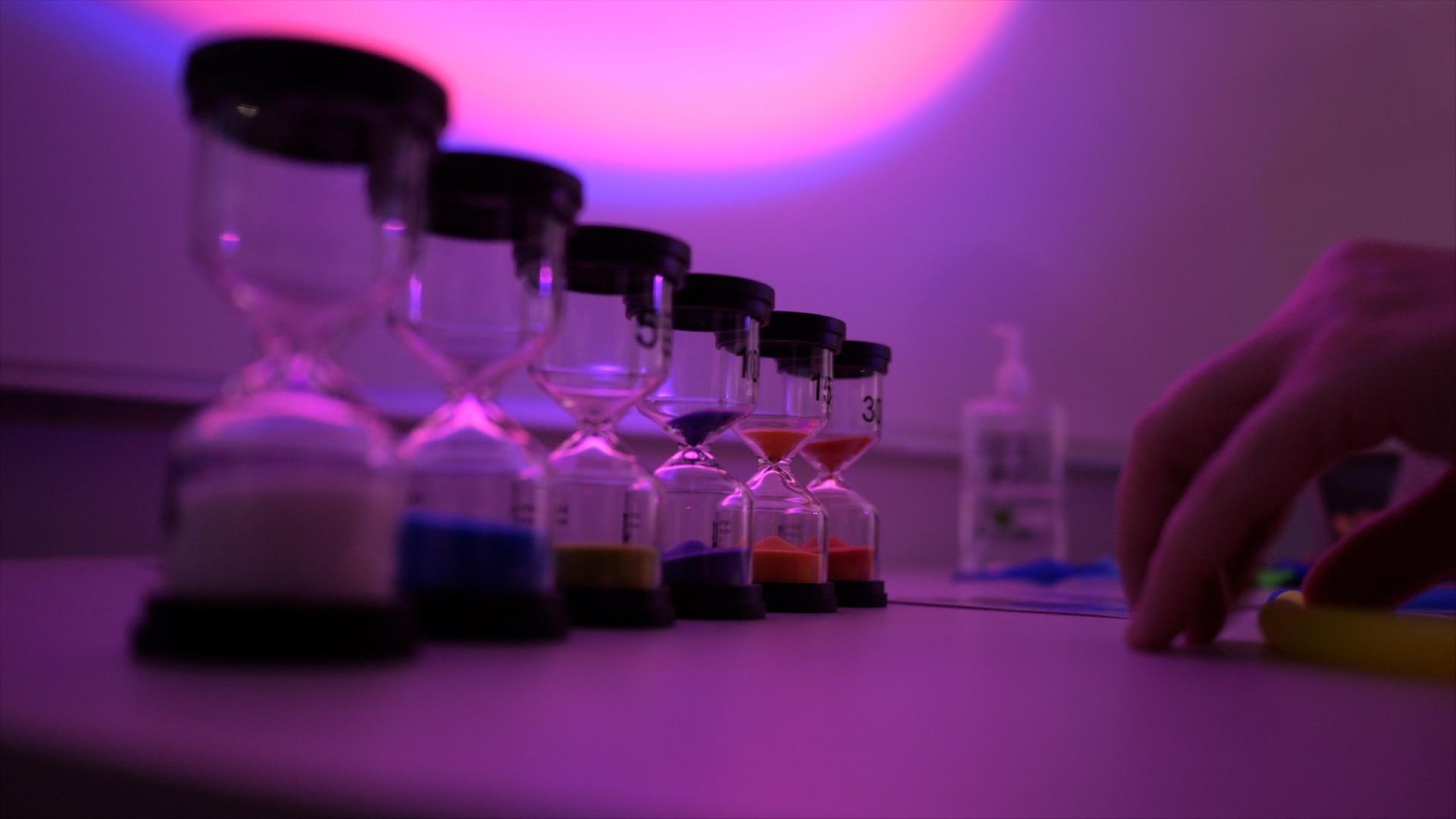
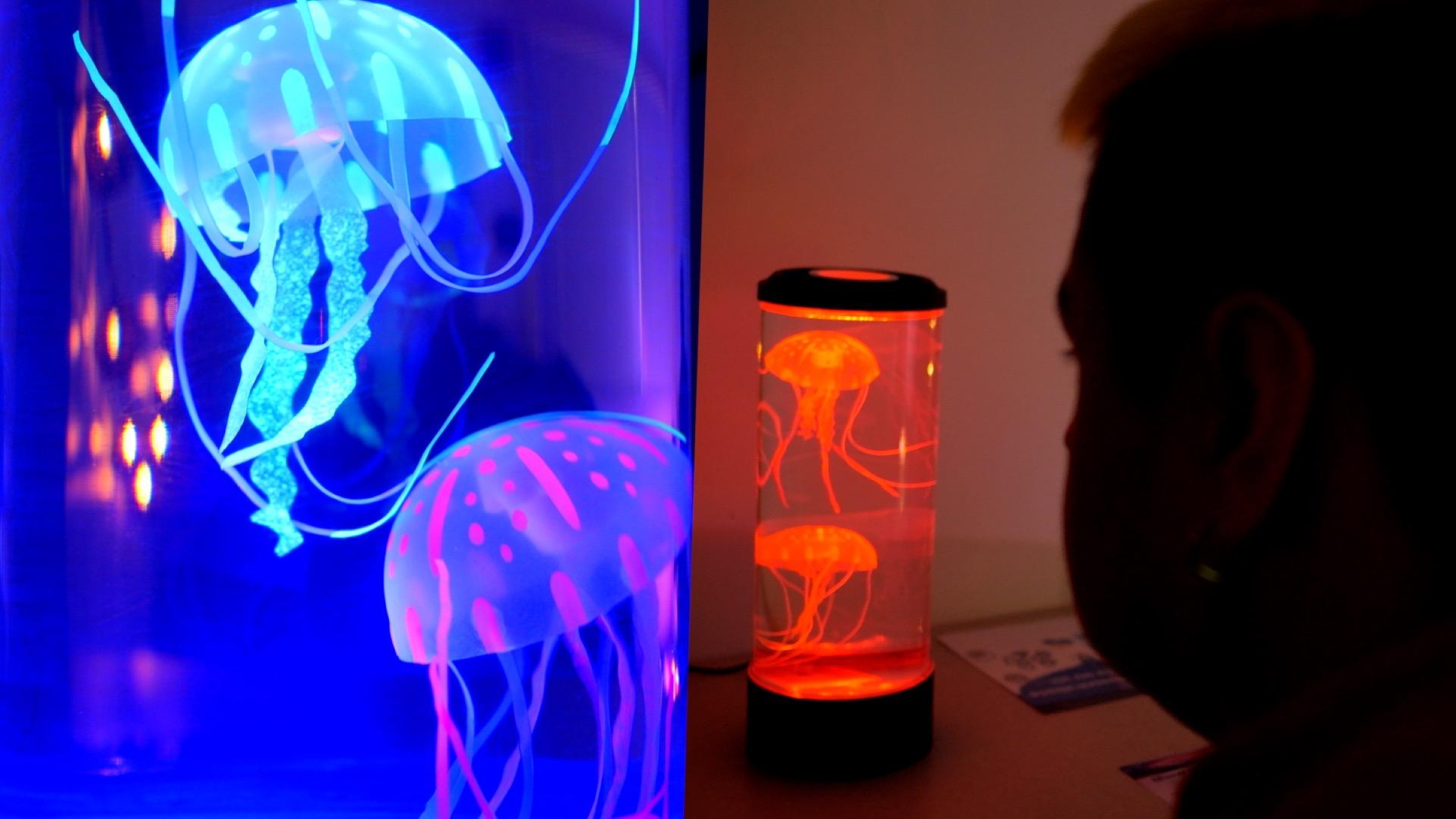
Portable kits contain more than a dozen sensory tools — including a northern lights and moon projector, sunset and jellyfish lamps, fidget toys, space tent, cosmic cocoon (bean bag chair) and more — that can be easily transported and assembled, offering campuses a low-cost, flexible way to create calming environments wherever they are needed.
The kits also contain a resource hub with educational materials.
Each campus adapted the initiative to meet its local needs, with collaborations involving disability services, student basic needs, counseling, libraries and other student support offices. Many introduced the program through sensory pop-up events during high-stress times such as midterms, finals and campus study sessions.
“College can be overwhelming for anyone, and sometimes students simply need a place where they can pause, reset and return to class feeling ready to learn,” said Center on Disability Studies faculty member and project director Holly Manaseri. “Creating spaces that acknowledge those needs sends a powerful message that every student belongs and deserves the opportunity to succeed.”
The expansion of sensory rooms throughout the state comes as colleges and universities nationwide increasingly adopt sensory-informed learning environments to support academic success and well-being.
More than half of University of Hawaiʻi’s peer institutions offer sensory-friendly spaces, while nearly one-quarter have dedicated sensory rooms.
Sensory spaces were also offered at every 2026 FIFA World Cup venue, and similar spaces are now found in airports, public libraries and shopping centers to help people take a break from overwhelming sights and sounds.
An ongoing research study is evaluating the impact of the the University of Hawaiʻi initiative.
“Feedback from more than 500 visitors across the university system shows visitors reported feeling calmer, more relaxed and happier after using the sensory spaces,” said project evaluator Manca Sustarsic. “Preliminary findings also indicate significant reductions in stress, anxiety, frustration and feeling overwhelmed, while many students reported improved focus, greater motivation and a stronger sense of belonging on campus.”
CAMP+U focuses on supporting student success throughout the college experience, with particular attention to students with learning differences and disabilities.
Visit the CAMP+U website for sensory room contacts at each university campus throughout the state.