

Business Monday: Kaʻū farmers grapple with losses of trees, crops and infrastructure from Hurricane Lala
According to the Hawaiʻi Farmers Union, Hurricane Lala has caused more than $3 million in reported losses across 79 types of farms.
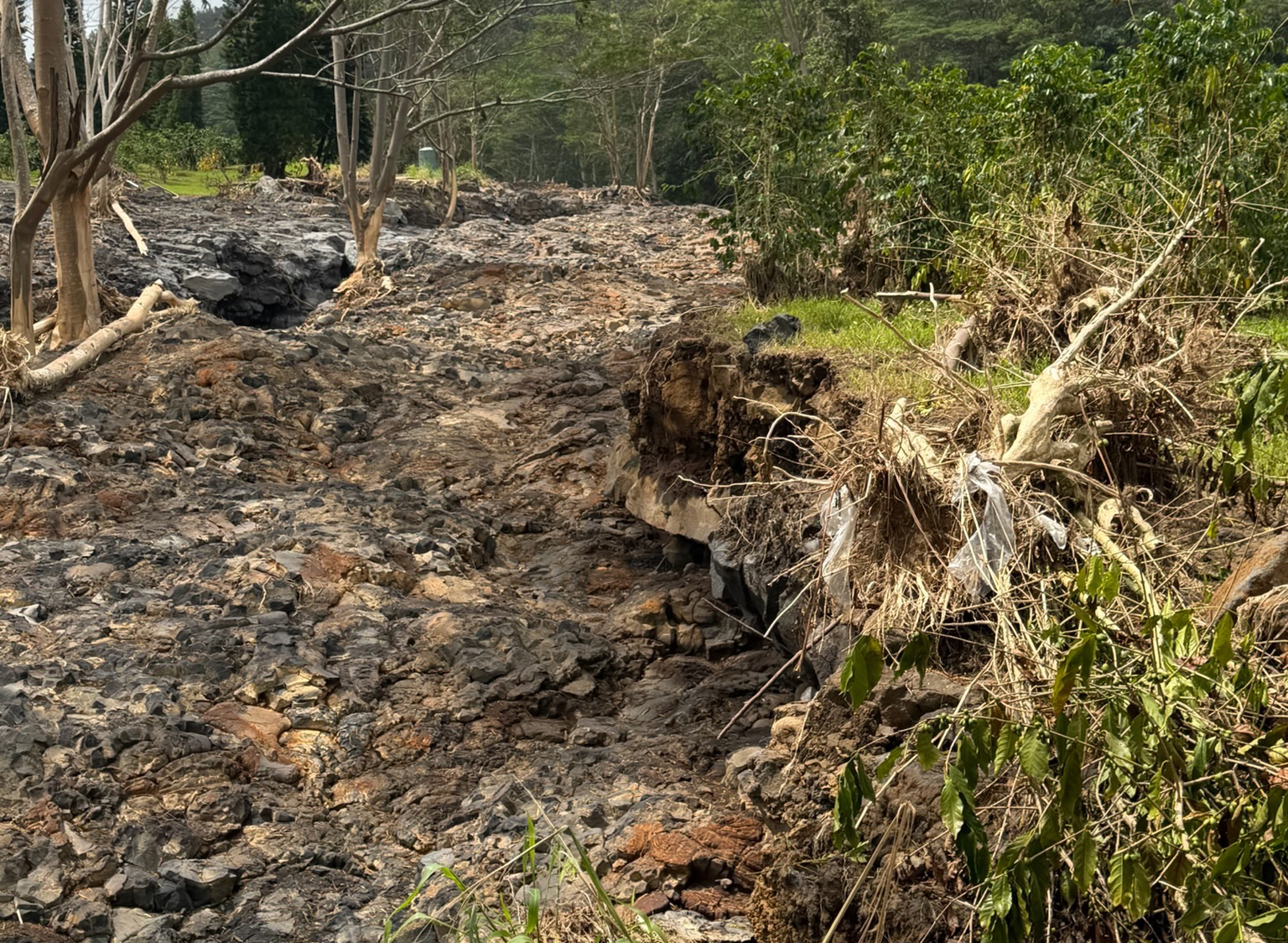
When Kauhuhuʻula Gulch overflowed on Aug. 15 and broke their back door in half, allowing rising waters to enter their home in Pāhala, Leo and Hermie Norberte called the Hawaʻi Fire Department to help them escape.
Hurricane Lala destroyed their home of 30 years, and it severely damaged the family coffee business they built from the ground up.
The Norbertes started JN Coffee Farms with five acres in 1996, after Leo Norberte lost his job when Kaʻū Sugar shut down and had few other employment options in the small town of Pāhala, Over the next few years, Hermie Norberte was able to quit her job in education to work full-time at the coffee farm, which has grown to 55 acres.
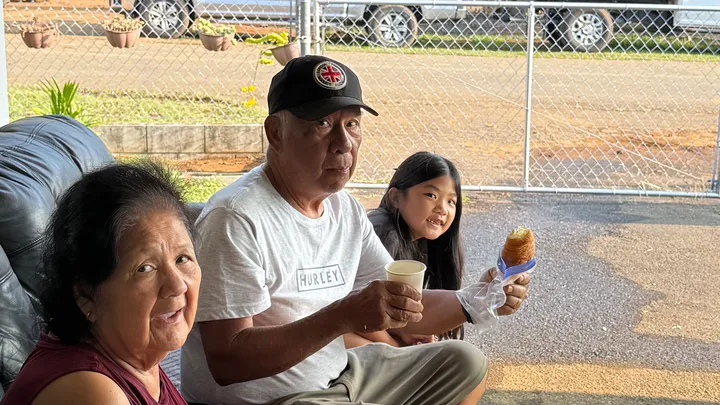
The Norberte’s daughter, JoAnn Norberte, said her family lost hundreds of coffee trees that were swept away during the storm. The Norberte’s home also is where they harvested and packaged the coffee themselves, so the business has come to a halt as they fight mold, re-do their flooring and make their home livable again.
Fall is supposed to be the start of the coffee harvesting season in Hawaiʻi. The Hawaiʻi Coffee Association said it’s still assessing the extent of the hurricane’s damage to coffee growers, but its main concern at the moment is the well-being of farmers and their families who are facing the other impacts from Lala.
This week, U.S. Rep. Jill Tokuda will be back on Hawaiʻi Island to visit farms and ranches in Kaʻū with the regional director of the U.S. Department of Agriculture Farm Service Agency to see what her office can do to best help as farmers continue to recover from the storm.
“I know that most of Kaʻū’s farmers and ranchers lost so much during Hurricane Lala and have been in the throes of recovery and feel like they are starting from scratch,” Tokuda said.
According to the Hawaiʻi Farmers Union, Hurricane Lala has caused more than $3 million in reported losses across 79 types of farms.
Tokuda said she wants to make sure they are getting access to the resources available to them.
Last week, Tokuda hosted some of her fellow members of the House Agriculture Committee in a tour of Hawaiʻi farms and agriculture programs that was planned before Lala struck. While she considered canceling, she ultimately decided that her colleagues needed to see what Hawaiʻi farmers, ranchers and food producers deal with on a daily basis.
“This is the daiily reality for our farmers and it was important for them to see the challenges they face, to be able to be here on the gound, to see the damage and talk to farmers about what they need,” Tokuda said. “These farmers and ranchers need help in the short-term to repair equipment and replace crops as well as help with long-term challenges such as invasive species and high shipping costs. There are so many things working against agriculture in Hawaiʻi.”
During her visit this week, Tokuda will help farmers, ranchers and agricultural producers identify the programs and grants they qualify for and guide them through the application process, so they can get access to resources as quickly as possible.
Coffee is one of Hawaiʻi’s major crops and the only U.S. state that grows it commercially. Its one of the state’s top three most valuable crops, with a production value of more than $46 million in 2025, according to the U.S. Department of Agriculture.
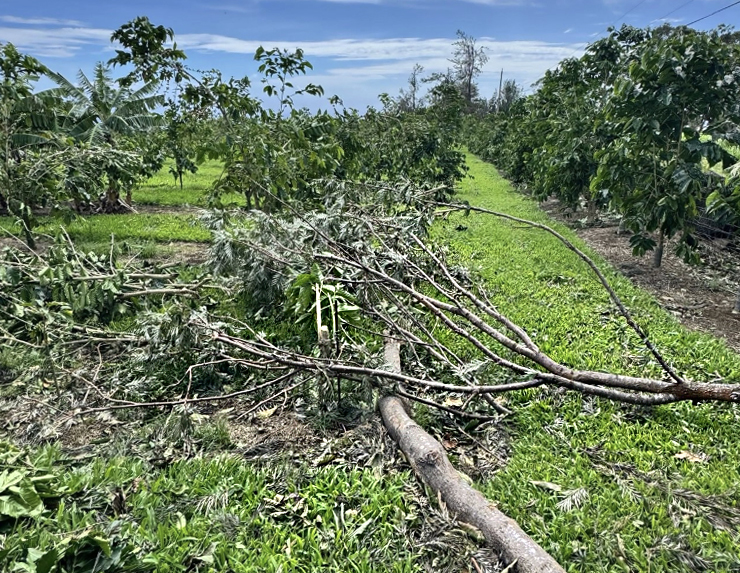
As coffee harvest season begins this month, many coffee farmers in addition to the Norbertes are grappling with the loss of hundreds of trees.
“Some of our lots lost 50 to 60% of the trees,” said Alla Kostenkos, owner of A Coffee Farm in Pāhala. “Then, some of the trees that weren’t washed away will likely not survive because of the root damage. The trees we planted just three or four years ago, we never got a chance to harvest from them, and it’s sad that we have to replace them.”
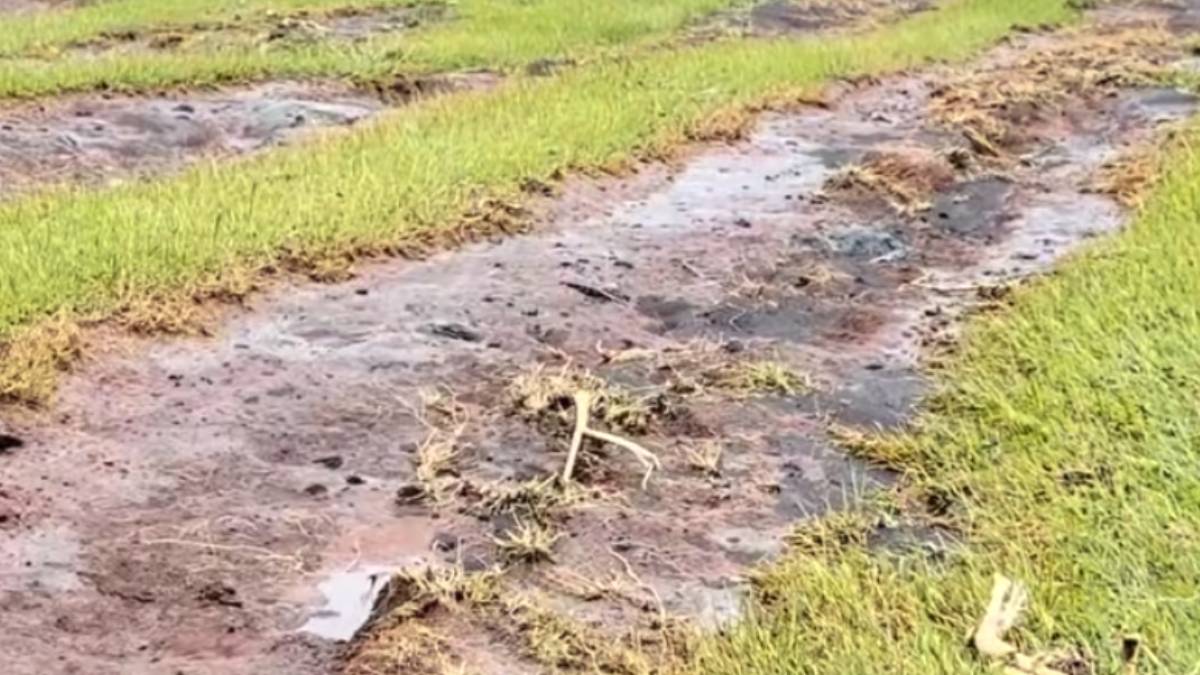
Miranda’s Farms also lost hundreds of coffee trees as well as infrastructure like greenhouses and fencing for livestock after taking first place in the Hawaiʻi Coffee Association’s statewide cupping competition just three weeks prior to Lala.
One federal program available to farmers through the Farm Service Agency is the Tree Assistance Program, which helps cover the cost of replanting or rehabilitating eligible trees, bushes and vines that produce annual crops and have been damaged or destroyed during a natural disaster.
Although replacing the trees would help the future of these farms, there is the reality that some will not be able to harvest a sustainable amount of crop this year.
“Many of our agricultural producers have been set back by years due to this,” Hawaiʻi County Council Member Ashley Kierkiewicz said. “It is devastating on the ground. People have lost their livelihoods and as we know, living on an island, our agricultural producers are vital to us, and they need our support now more than ever.”
Matt Drayer, a farmer with Ancient Valley Growers, said standing water destroyed field crops, causing a loss of about 2,000 zucchini and roughly the same amount of green cabbage. He estimated the total damage to crops and land at between $20,000 and $25,000.
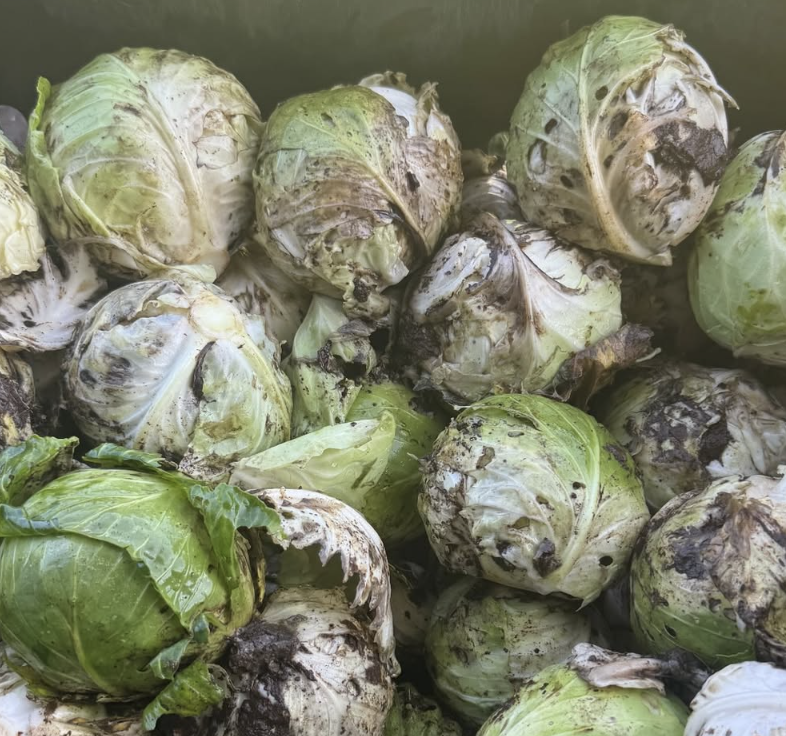
“Things like beets, carrots, we had a couple of carrot beds that had been seeded a few weeks prior, and they’re not going to be able to make it just because they got too much water too quickly,” Drayer said.
The storm also damaged water lines that cross bridges and connect different parts of the valley. While his farm has a temporary water supply, Drayer said that rebuilding the damaged system could take weeks.
Fortunately for Drayer, he was able to apply for the Hawaiʻi Farmers Union Foundation’s Hawaiʻi Flood Response Fund for damages caused by the Kona Low storms earlier this year. After receiving the grant, he was able to help fund a backup diesel generator with a new solar system, ensuring the farm and its walk-in cooler will remain powered through storms.
“The funding and the support from the community have made me stop worrying as much for the future,” Drayer said. “I feel really blessed to have all these amazing people around me.”
This week, U.S. Sen. Mazie Hirono said the USDA will be offering technical and financial assistance to help Hawaiʻi’s farmers, ranchers and livestock producers recover from Hurricane Lala. Those impacted could be eligible for multiple federal programs designed to support farmers and ranchers after natural disasters.
They include:
- Provides eligible orchardists and nursery tree growers with cost-share assistance to replant or rehabilitate eligible trees, bushes, or vines. It complements the Noninsured Crop Disaster Assistance Program or crop insurance coverage, which covers the crop but not the plants or trees in all cases.
- Program application must be filed within 90 days of the disaster event or the date when the loss of the trees, bushes, or vines is apparent.
The Emergency Conservation Program
- Offers financial and technical assistance to agricultural producers to rehabilitate farmland damaged by natural disasters such as floods, hurricanes, wildfires, drought, and other calamities. Helps producers with repairing disaster-damaged farmland and restoring agricultural production.
- To apply, producers must submit a request for assistance to their local Farm Service Agency office and the process includes an assessment of the damage, documentation of the disaster impact, and a description of the proposed restoration measures.
- Producers who experience livestock deaths in excess of normal mortality or sell injured livestock at a reduced price may be eligible.
- Producers must provide acceptable documentation of death losses or evidence of reduced sales resulting from an eligible adverse event, including an adverse weather event, and submit a notice of loss to the Farm Service Agency no later than March 1, 2027, for 2026 calendar year losses.
Emergency Assistance for Livestock, Honeybees, and Farm-Raised Fish Program
- Provides eligible livestock producers with compensation for feed and grazing losses. For honeybees, the program may cover colony loss and damage to hives and purchased or produced feed. It may also cover purchased or produced farm-raised fish feed losses for feed that was intended to be fed to eligible farm-raised fish along with any physical inventory loss of the eligible farm-raised fish.
- Producers are required to complete a notice of loss and submit a payment application to their local Farm Service Agency office no later than March 1, 2027, for 2026 calendar year losses.
Additionally, the Farm Service Agency offers a variety of direct and guaranteed farm loans, including operating and emergency farm loans, to producers unable to secure commercial financing. Producers in counties with a primary or contiguous disaster designation may be eligible for low-interest emergency loans to help them recover from production and physical losses.
For more information, visit the Department of Agriculture website.
In the meantime, farmer are doing what they can to survive. JoAnn Norberte flew to the Big Island from Las Vegas to help out her parents.
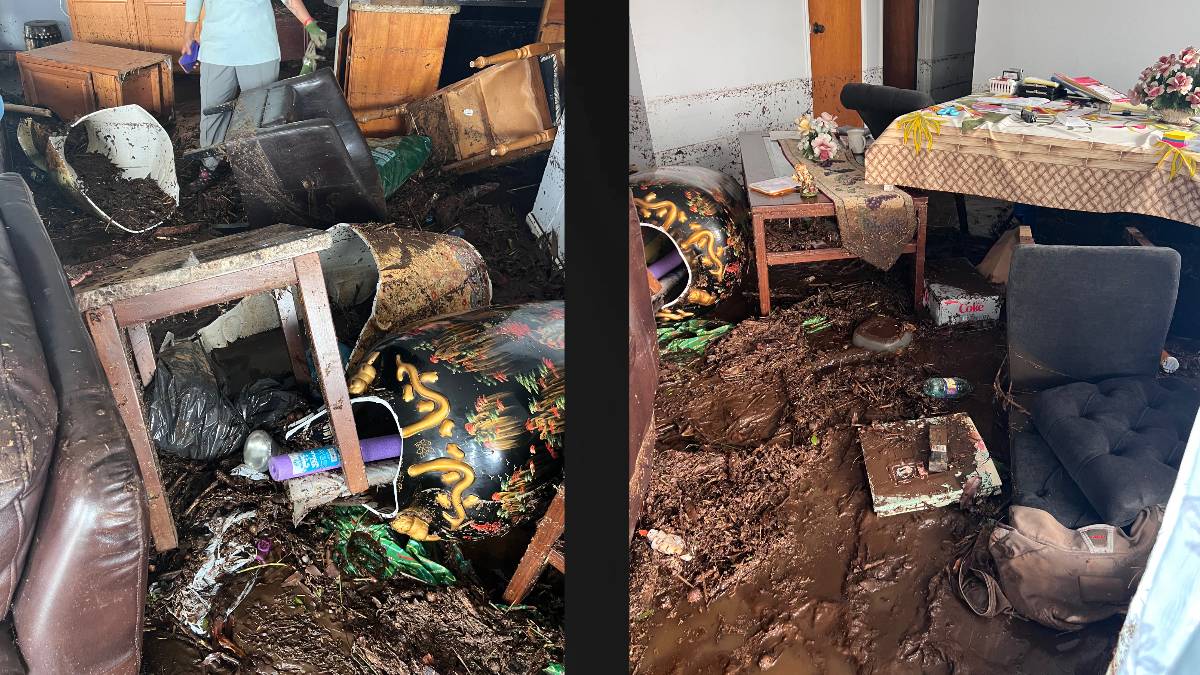
“I knew my parents would never ask for help, even though they need it right now,” JoAnn Norberte said. “They are stoic, hardworking people, and they are trying to find a way to fill orders despite the devastation.”
The Norbertes also have had problems with recovery since their insurance will not cover all their losses because the hurricane damage was caused by flooding, not wind or rain.
“After I learned that insurance would not cover these damages, I knew I had to start a GoFundMe, so anyone could help them rebuild their family home and coffee business they worked so hard to create,” JoAnn Norberte said.
The donations will help them replace essential appliances, furniture, cabinetry and household goods, while also helping restore the processing area needed to bring their coffee harvest back to life.
With a goal of $26,000, the GoFundMe has reached $22,735 as of early Saturday morning.
“They can’t even believe the support they have received,” JoAnn Norberte said. “It makes me emotional that they have so much support and care around them.”