


Community engagement drives vision for Waiākea Peninsula in Hilo that includes Banyan Drive
Big Island community members can shape the master plan to guide the revitalization of properties within the peninsula over the next 20 to 30 years.
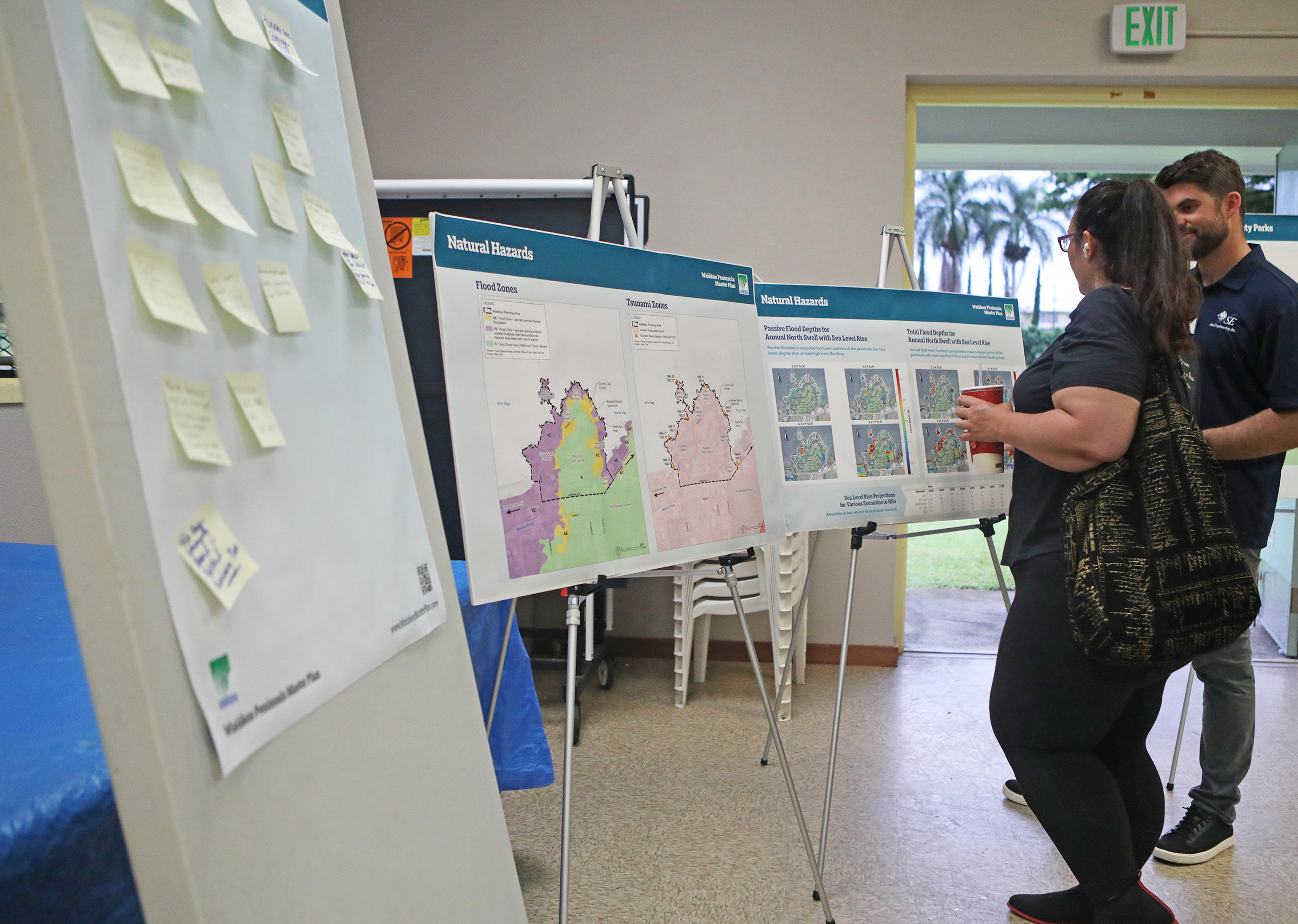
Community members are sharing ideas to help shape the future of the Waiākea Peninsula in Hilo.
Earlier this month, the Hawaiʻi Community Development Authority hosted an open house in Hilo, where residents provided input to inform the development of a master plan for the Waiākea Peninsula, encompassing Banyan Drive.
The master plan will set a long-term vision for revitalizing properties along Banyan Drive and around the peninsula over the next 20 to 30 years. It also will identify actionable strategies to achieve that vision.
The Waiākea Peninsula stretches makai of Kamehameha Avenue and is bordered by Lihiwai Street and Banyan Drive. Notable spaces include Banyan Drive, Hilo’s three largest hotels, the Naniloa Golf Course, Liliʻuokalani Gardens, Mokuʻola (Coconut Island) and Reeds Bay Beach Park. The planning area for the master plan covers the entire peninsula, totaling roughly 137 acres and consisting of both state-owned and privately owned land.
“In the past, the first question everybody asked about Banyan Drive was about what will be there in the future — hotels, housing, open space — so now the community can tell us what they want to see,” Keōhokāpu-Lee Loy said. “This action committee is eager and engaged in the work. They will continue to discuss possibilities of redeveloping the area around what is feasible to achieve and generate a long-term plan. If they do have a goal, they look into what it would take to achieve that goal.”
Hawaiʻi Community Development Authority staff were available to answer questions as attendees shared their opinions on key land use topics, including public recreation, open space, cultural resources, economic revitalization, sea level rise, coastal resilience and transportation.
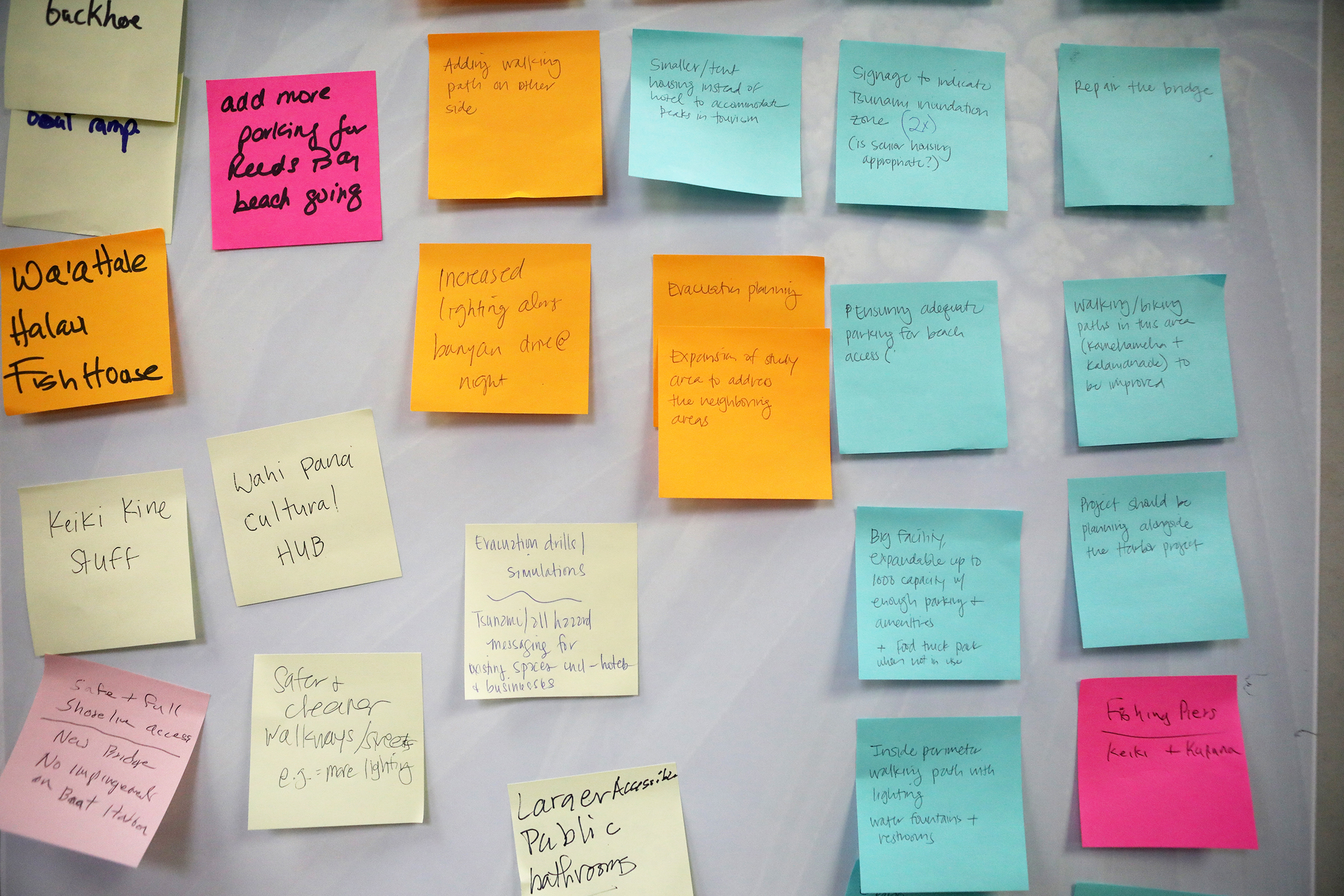
On post-it notes, attendees expressed their desires, suggesting walking and biking paths, safe and full shoreline access, a facility to accommodate 1,000 people, smaller housing or hotel options, fishing piers and improved street lighting.
Some attendees requested evacuation drills and suggested that planning be conducted alongside the Hilo Harbor expansion.
“I personally don’t understand why they didn’t have this meeting on the peninsula,” said Cheree, who declined to give her last name. “This would be much more impactful if we could see the place we are talking about. I think they do a lot of Native Hawaiians a disservice by not taking them on a realistic tour of the peninsula.”
Cheree believes the state should return control of the peninsula to Native Hawaiians and suggested guided walking tours and more cultural and historical information within the peninsula.
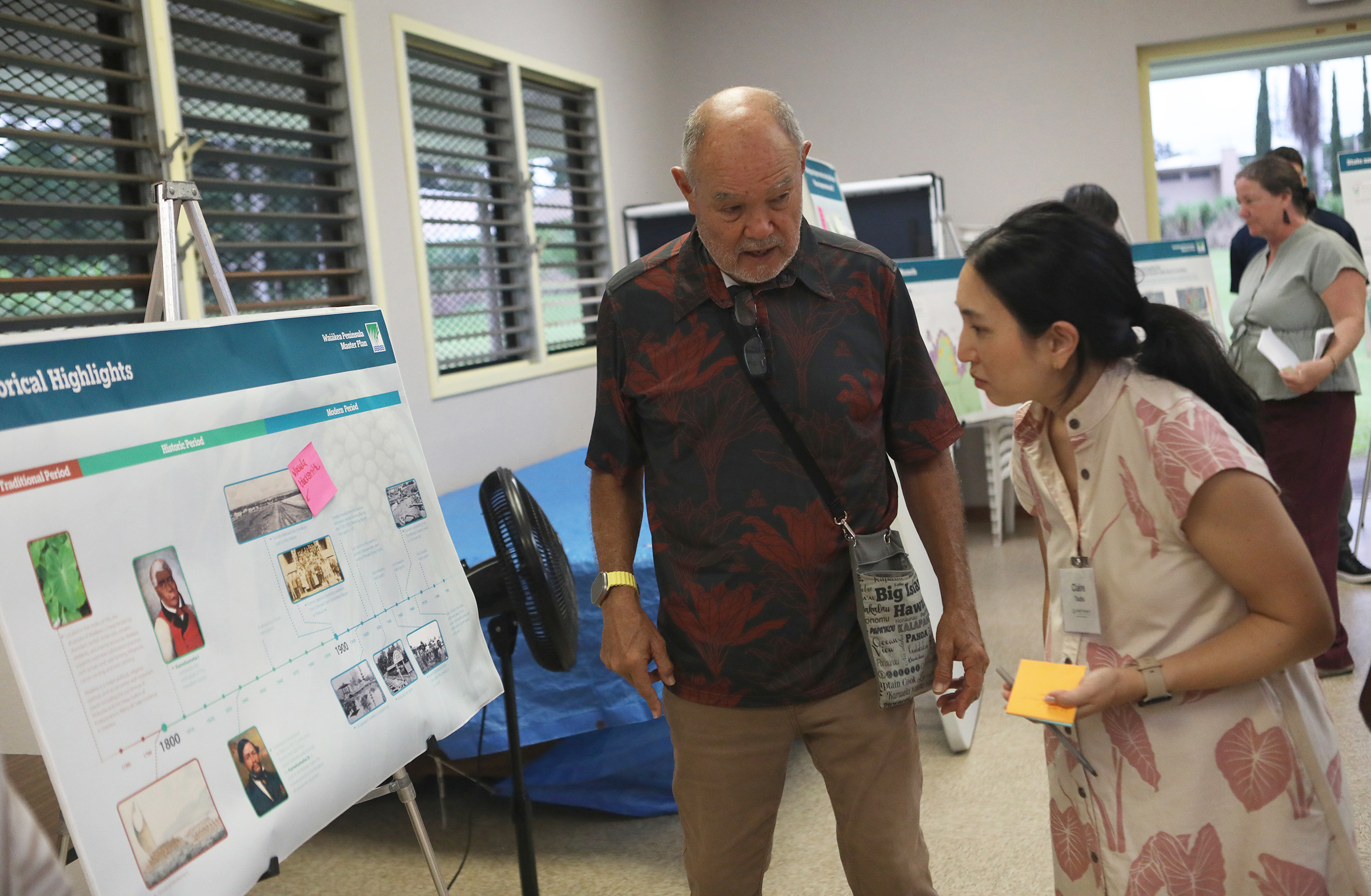
The presentation included a timeline of the Waiākea Peninsula’s history, dating back before Kamehameha I unified the islands in 1800. The area, known for its fertile soils, stream and wetlands, supported extensive subsistence practices like kalo and ʻuala farming, fishponds and canoe carving.
“In my opinion, I think there should be soil remediation and that most of the peninsula should be returned to how it was before colonization,” Puna resident Nani Miliʻilianalani said. “That may be unpopular because it is an area that influences tourism, but that already hasn’t worked out so why do it again?”
Part of the presentation covered future flooding predictions due to ocean warming, deterring some from supporting additional housing and commercial development in the area.
“I don’t really think it makes sense to put any development here,” Miliʻilianalani said.”They have demolished Uncle Billy’s and have plans to demolish the Country Club soon. There was also a tsunami that destroyed the Japanese community, which had to be relocated.”
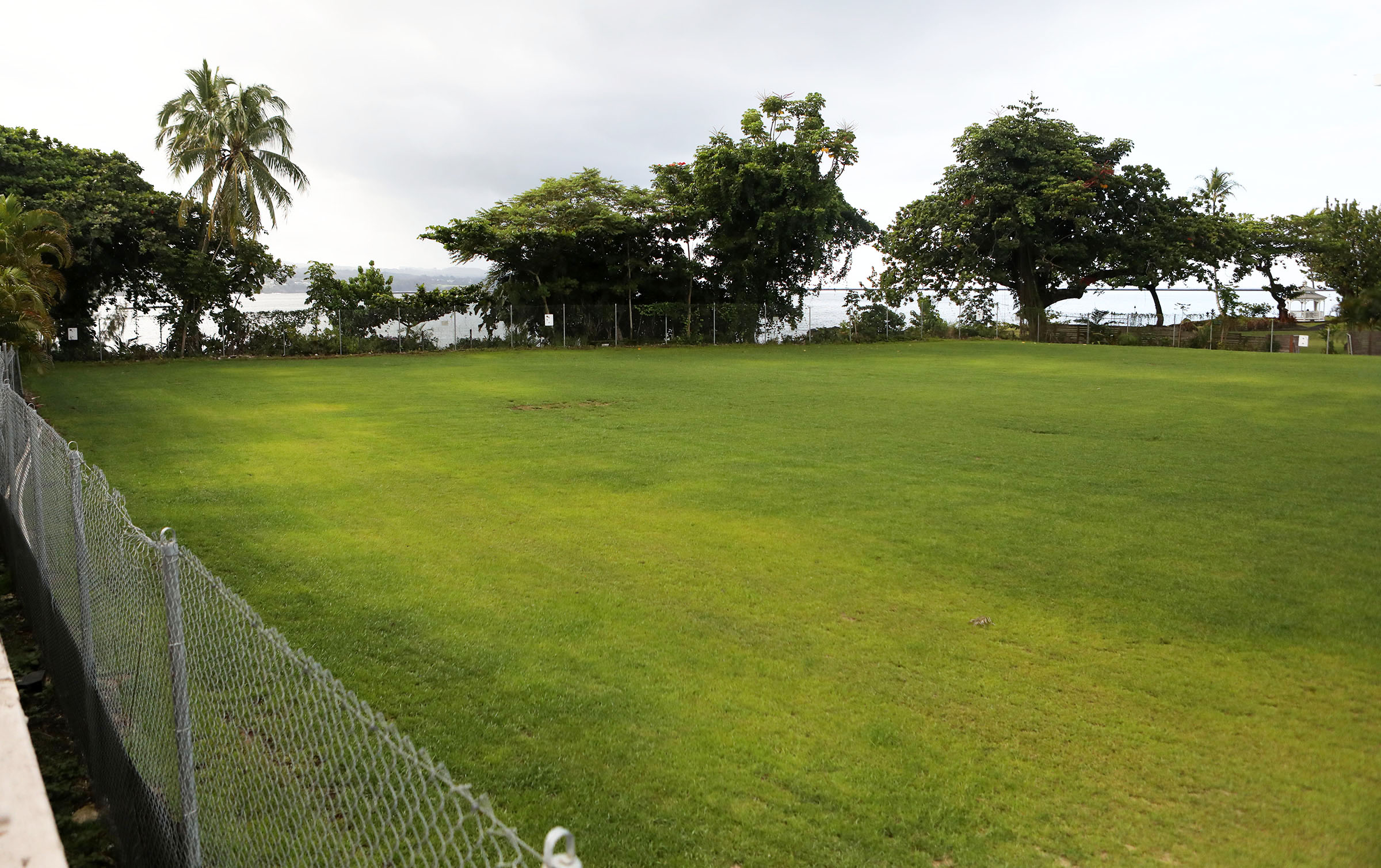
Once finalized in June 2027, the master plan will initiate an environmental impact statement for the area. Concerning the former Uncle Billy’s Hotel site, Hawaiʻi County Mayor Kimo Alameda indicated in his State of the County address his desire for the area is to open as a park, a possibility highlighted by Keōhokāpu-Lee Loy.
“I think, because of sea-level rise, we’re all in lockstep that space should not be developed,” state Rep. Chris Todd said. “Find out the best use, the best community benefit, and if that means collaborating with the county and having them manage that site, then that’s the angle.”
State Rep. Matthias Kusch added: “As legislators, we are all on the same page about the importance of hearing the opinions from the community and valuing what they want to see in these shared spaces. We encourage as much public engagement as possible and hope to see more as we continue.”
Kusch, former president of Hilo Bayfront Trails, mentioned the potential implementation of a comprehensive trail system to connect areas of Hilo.
“You can ride on the sidewalk, but the sidewalk is really bumpy and slippery, and it’s full of people walking sometimes, so we need a real multi-use path,” he said. “The path (would be) for walkers, runners, bikers, scooters, and you can cruise in your wheelchair there, too.”
Hilo Bayfront Trails seeks to be involved in the Waiākea Peninsula master plan, which is scheduled to progress in the next six months.
The master plan’s creation provides an opportunity to balance cultural enrichment, community uses and economic activities, rather than prioritizing any one aspect.
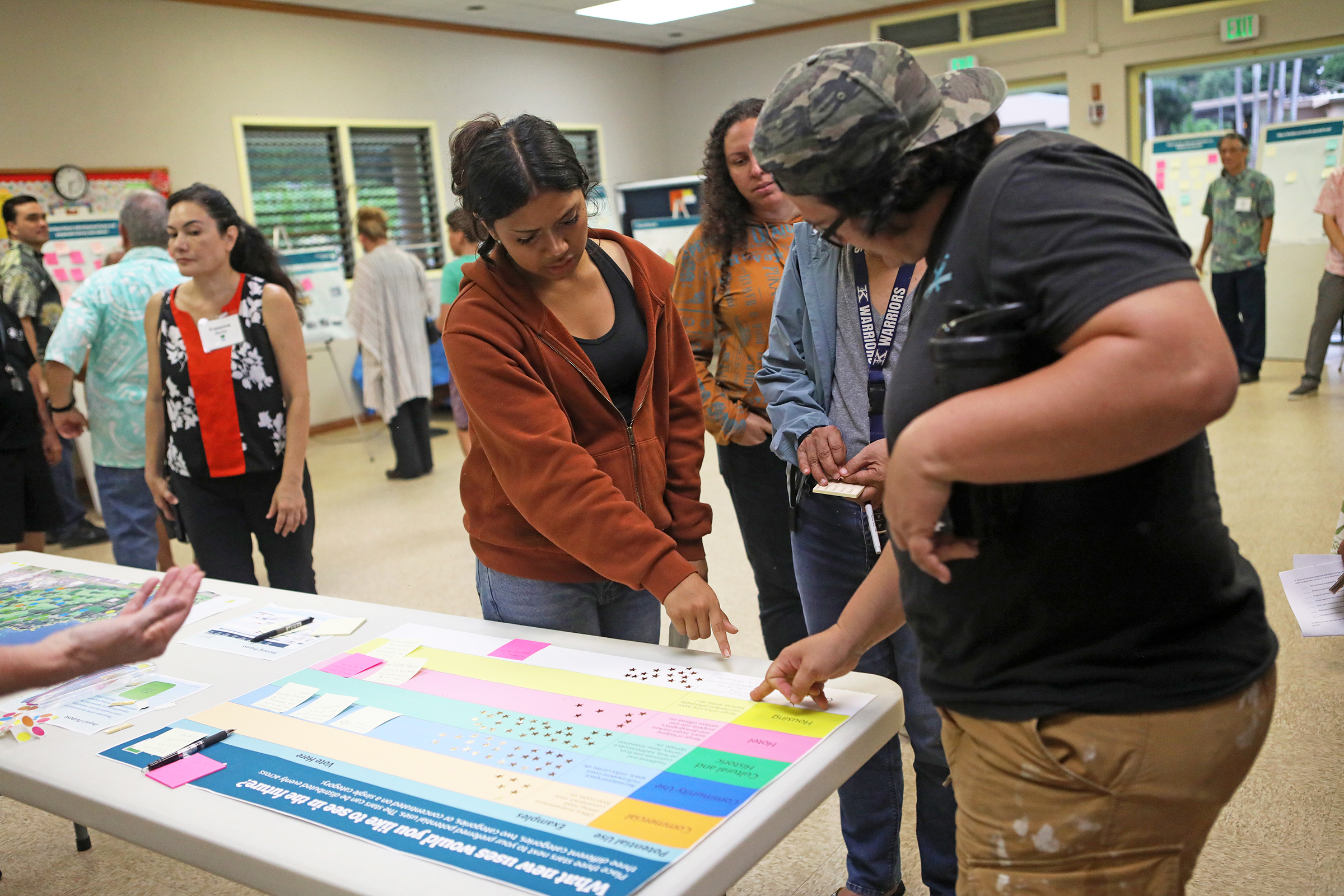
During the meeting, participants marked what they found most important for the future with a star. There were 13 stars for commercial use, 36 for community use, 37 for cultural and historical use, eight for hotels, two for housing and 18 for other uses.
For those unable to attend, a survey remains open to identify issues for the planning process. Responses will be collected through Aug. 31.
The presentation and survey can be found on the Waiākea peninsula master plan website.