


New legislation strengthens governance and supports conservation
Gov. Josh Green signed SB 2494, which extends statue of limitations for bribery offenses and SB 3253, which recognizes the Hawaiʻi Conservation Sanctuary as a model for ecosystem restoration.
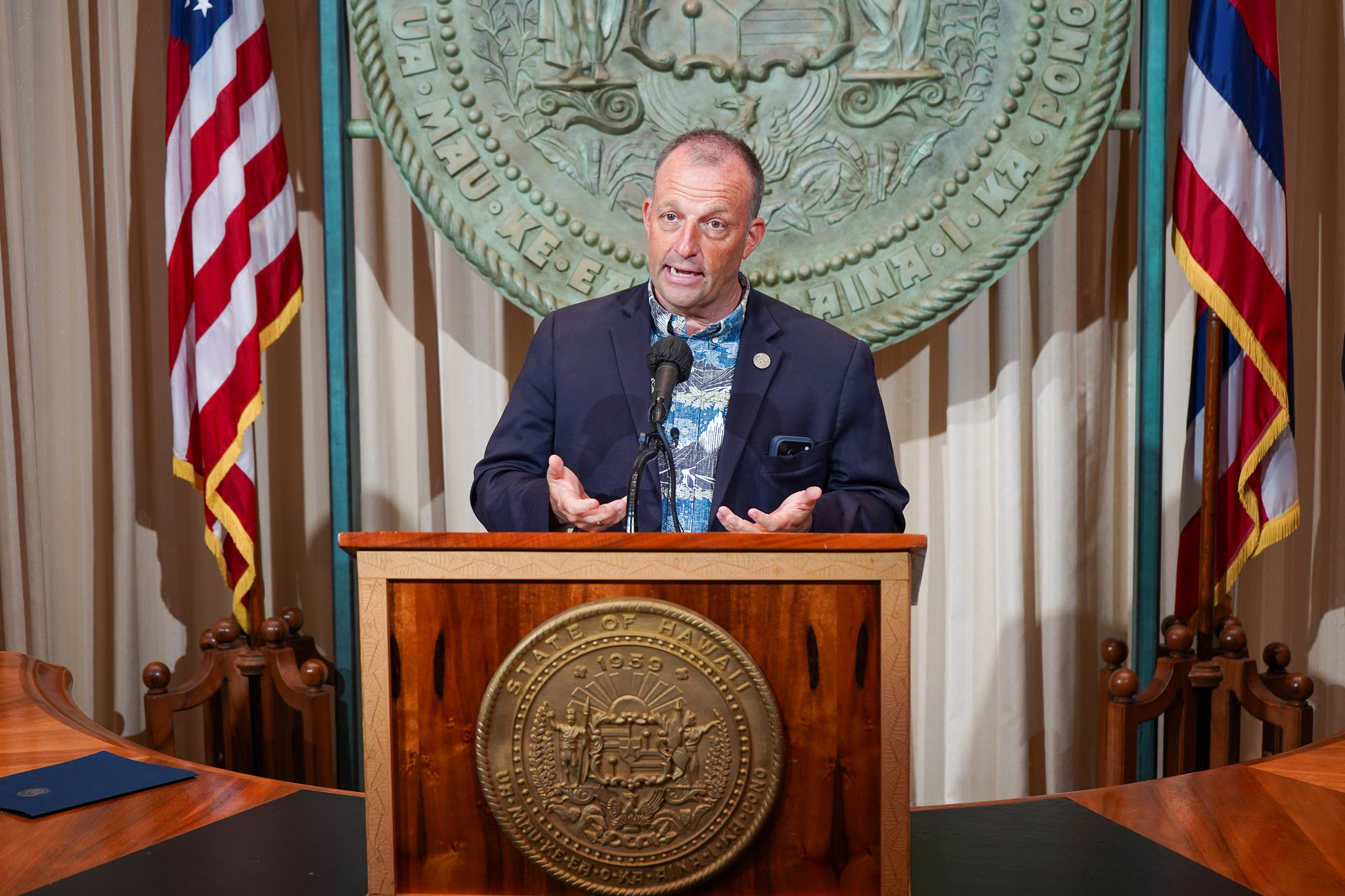
Two pieces of landmark legislation aim to improve Hawaiʻi’s governance and preserve irreplaceable ecosystems.
In back-to-back bill signings, Gov. Josh Green passed two measures that reflect Hawaiʻi’s commitment to strong institutions and a sustainable future, pairing accountability in leadership with a renewed dedication to protecting the natural environment.
Before SB 2494, bribery offenses, classified as Class B felonies, had to be prosecuted within three years, or six years under certain circumstances. However, bribery-related offenses investigated at the federal level could extend beyond the time limits established under state law, limiting Hawaiʻi’s ability to pursue prosecution.
SB 2494 extends the statute of limitations for bribery offenses to nine years, ensuring that corruption cases have sufficient time for thorough investigation and prosecution.
“This legislation represents meaningful progress toward ensuring accountability across all levels of government,” Green said. “When we provide our system the necessary tools to pursue justice, we reaffirm our commitment to leading with integrity.”
Public trust in government is essential to an effective and efficient state, and that relationship depends on accountability and transparency. Under the Green administration, several measures aimed at strengthening good government practices have been enacted.
“This measure strengthens Hawaiʻi’s ability to investigate and prosecute bribery while reinforcing the state’s commitment to good governance and accountability,” said Rep. David Tarnas, chair of the House Committee on Judiciary and Hawaiian Affairs. “It streamlines cooperation with federal investigations and helps ensure cases are thoroughly investigated before charges are filed.”
Hawai‘i is home to an incredible variety of native species, many of which are facing extinction. Existing conservation efforts require structured fiscal and logistical support to strengthen the protection and revitalization of Hawaiʻi’s treasured native wildlife.
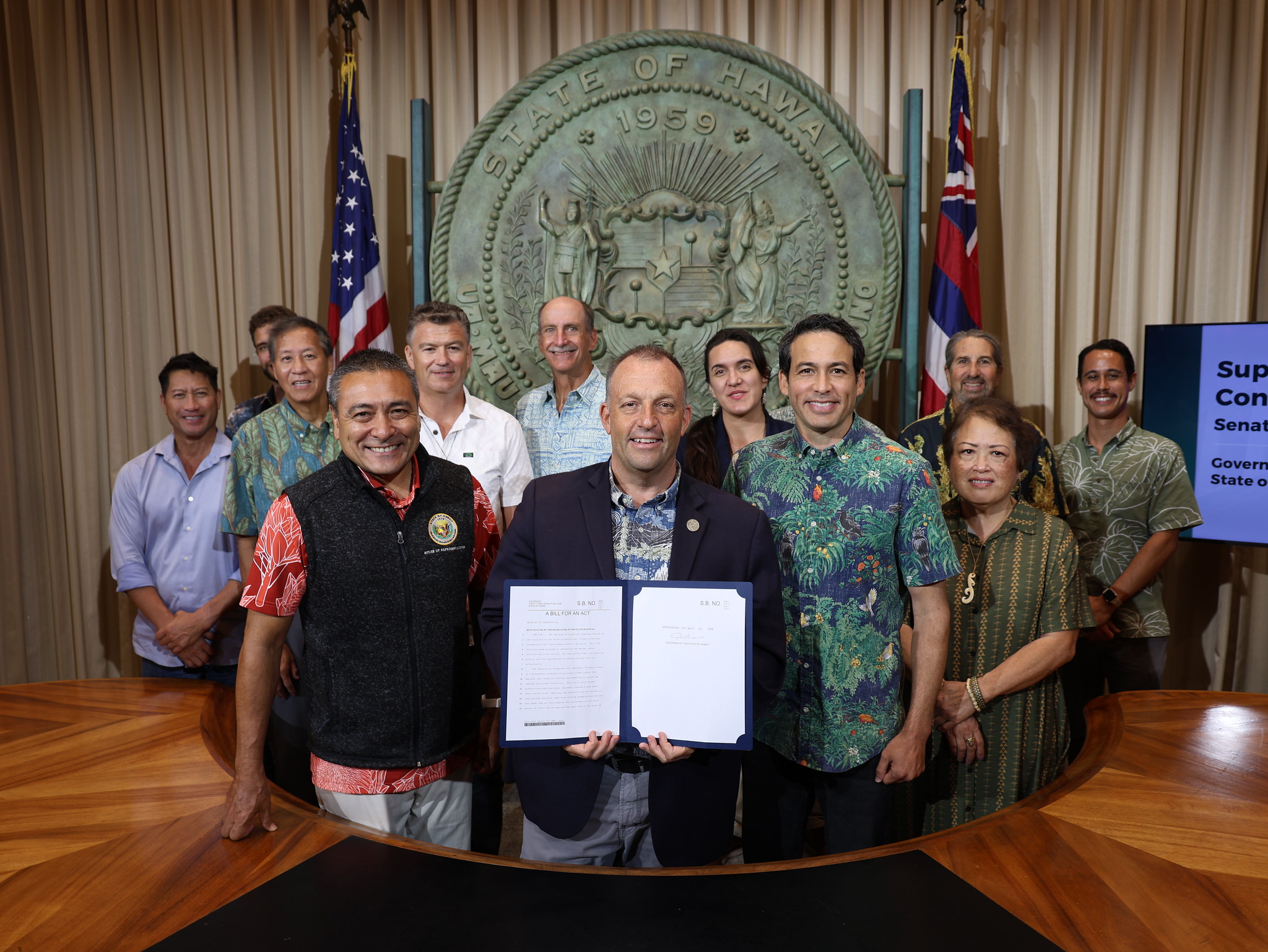
SB 3253 formally recognizes the Hawaiʻi Conservation Sanctuary, a nonprofit organization inspired by New Zealand’s Zealandia (Te Māra a Tāne), an internationally recognized model for ecosystem restoration through the protection of native flora and fauna. The state-recognized sanctuary will serve as a hub for endangered species protection, research, education and habitat restoration.
The measure authorizes the sanctuary to operate on preserved land, engage in revenue-generating agricultural tourism, and collaborate with state agencies to advance long-term conservation efforts. By strengthening support for coordinated conservation initiatives, SB 3253 helps address biodiversity loss and equips conservation professionals with additional tools to restore Hawaiʻi’s native ecosystems.
“Evidence-based sanctuary models provide us the opportunity to keep Hawaiʻi’s natural heritage here in the islands,” Green said. “It’s wonderful to see state and community partners work together to bring this project to life, protecting our vulnerable ecosystems for generations to come.”
By following sanctuary models that have proven successful elsewhere, Hawaiʻi advances its position in this field while fostering local jobs and education.
“Island nations like New Zealand have proven that endangered species and endangered habitats can not only be saved but can be made to thrive,” said Sen. Chris Lee, chair of the Senate Water, Land, Culture and the Arts Committee. “Hawaiʻi has more endangered species than the rest of the country put together — and establishing a network of sanctuaries safe from predators will ensure Hawaiʻi can save our endangered birds and other species for future generations.”
By reinforcing integrity in public institutions and investing in innovative conservation strategies, Hawaiʻi is advancing a path rooted in long-term resilience. The complete list of bills signed includes:
- SB 2494, Act 225, Relating to Corruption
- SB 3253, Act 226, Relating to Conservation
- SB 2532, Act 227, Relating to the Campaign Spending Commission’s Electronic Filing System
- SB 2247, Act 228, Relating to Political Fundraising by Executive Branch Employees
- SB 3076, Act 229, Relating to Tobacco Enforcement
- SB 3325, Act 230, Relating to Public School Medicaid Reimbursements
- HB 1705, Act 231, Relating to Child Custody
- HB 2452, Act 232, Relating to State Bonds