


Recovery program in the works for Hawaiʻi County to better deal with aftermath of disasters
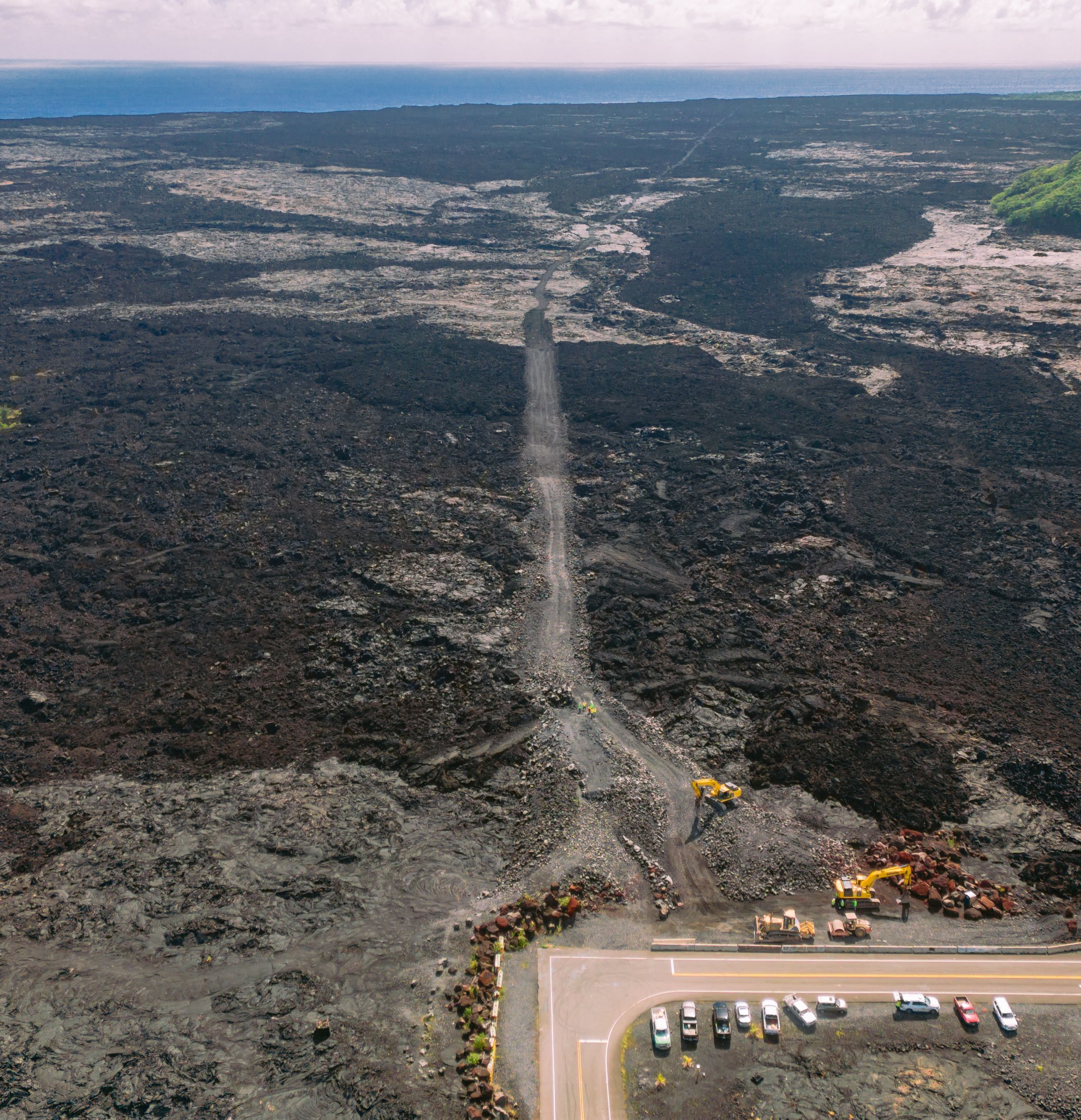
Hawaiʻi County Councilmember Ashley Kierkiewicz said she never wants another community to suffer the same way lower Puna did during and after the 2018 eruption of Kīlauea that destroyed more than 700 homes, nearly 50 miles of private and public roads, and so much more.
“We are still waiting for roads to be completed, water lines to be installed, parks to be restored,” said Kierkiewicz, who represents Puna. “And rather than asking county employees — who are doing so much — to do more, it behooves us and makes so much sense to take the recovery resources that are available to build a team specifically focused on recovery 100% of the time.”
That is why on Tuesday during a committee meeting she introduced Bill 157, which establishes a Hawaiʻi County Disaster Recovery Program that would activate when necessary within Hawai‘i County Civil Defense.
While the measure has broad support, Kierkiewicz requested postponement of the bill so she could make amendments based on feedback from the Tuesday discussion — including funding considerations, definitions and some language clarification.
The council unanimously agreed, with the bill to be heard again on June 2 before the same Policy Committee on Health, Safety and Well-Being.
Currently, the county does not have a formal framework that institutionalizes disaster recovery or how to consistently coordinate recovery programs and resources, the bill said.
For the Kīlauea recovery, Kierkiewicz said: “So much time was wasted because there wasn’t a framework in place. And frankly, I think the county tried to penny pinch quite a bit, trying to keep a lot of the work in-house.”
She said there was money available from the state and federal governments and philanthropic partners to move projects forward.
Kierkiewicz’s proposal seeks to create a program to coordinate short- and long-term recovery efforts after major disasters.
“There is so much chaos that follows a disaster, and in that chaos, I think it’s really hard to be clear-headed and think about how to support communities in their recovery,” she said.
The program would be led by a recovery officer appointed by the mayor. The position would be responsible for recovery planning, interagency coordination, community engagement, funding management and development of interim and long-term recovery and resilience plans.
Council members had several questions about the proposed program, especially whether the recovery officer should be a permanent position or a temporary one that is activated only when disaster strikes and for the immediate aftermath. Some members also thought it would be good to add more specific definitions for some terms and responsibilities to avoid confusion.
A question also arose about how an appointed recovery officer could be removed, if necessary, and if that language should be included in the bill.
Bill 157 proposes the recovery program and officer be activated in three incidences: after a federal disaster declaration, following a governor’s emergency proclamation or at the determination of the mayor.
It’s not a permanent function within the county, deactivating when recovery services are no longer required.
Some council members asked about oversight of the program in the event it was necessary to commit staff and resources from other county departments, and some wanted clarification about how expenditures would be kept accountable when they occur outside the budgeting process.
Size and scope would be based on available resources from the county, state or federal governments. The cabinet-level recovery officer position would have defined qualifications, clear authority and responsibilities, all the ability to make necessary decisions.
The recovery officer would report directly to the mayor, but the ultimate boss, Kierkiewicz said, would be the community.
There also would be two guiding mandates required of the program and its officer: developing an interim recovery strategy recommended to cover the first 6 months after a disaster and then establishing 12 months after publication of the interim strategy a long-term recovery and resilience plan — which would need to be adopted by council resolution — to guide the community’s continued recovery and revitalization.
“One of the things that’s also embedded within this framework is community engagement,” Kierkiewicz said. “They need to be involved in decisions that impact their future.”
The bill includes a provision for annual reporting to the council so recovery conversations are public and community members remain informed about progress.
Doug Le, the former Hawai‘i County disaster recovery officer following the 2018 eruption, along with Deputy County Corporation Counsel Kira Wang, County Finance Director Diane Nakagawa, County Civil Defense Administrator Talmadge Magno and county staff were involved in crafting Bill 157.
Council Chairman Holeka Inaba asked Magno if his agency is in support of the measure.
“Yes, we are,” Magno answered. “It’s actually part of our function with Civil Defense. Recovery actually starts while the disaster is just ramping up and starts with damage assessments. So our department has that under our responsibilities at this time. Adding this level of recovery would add to that and bring continuity to the whole operation in the county, I believe.”
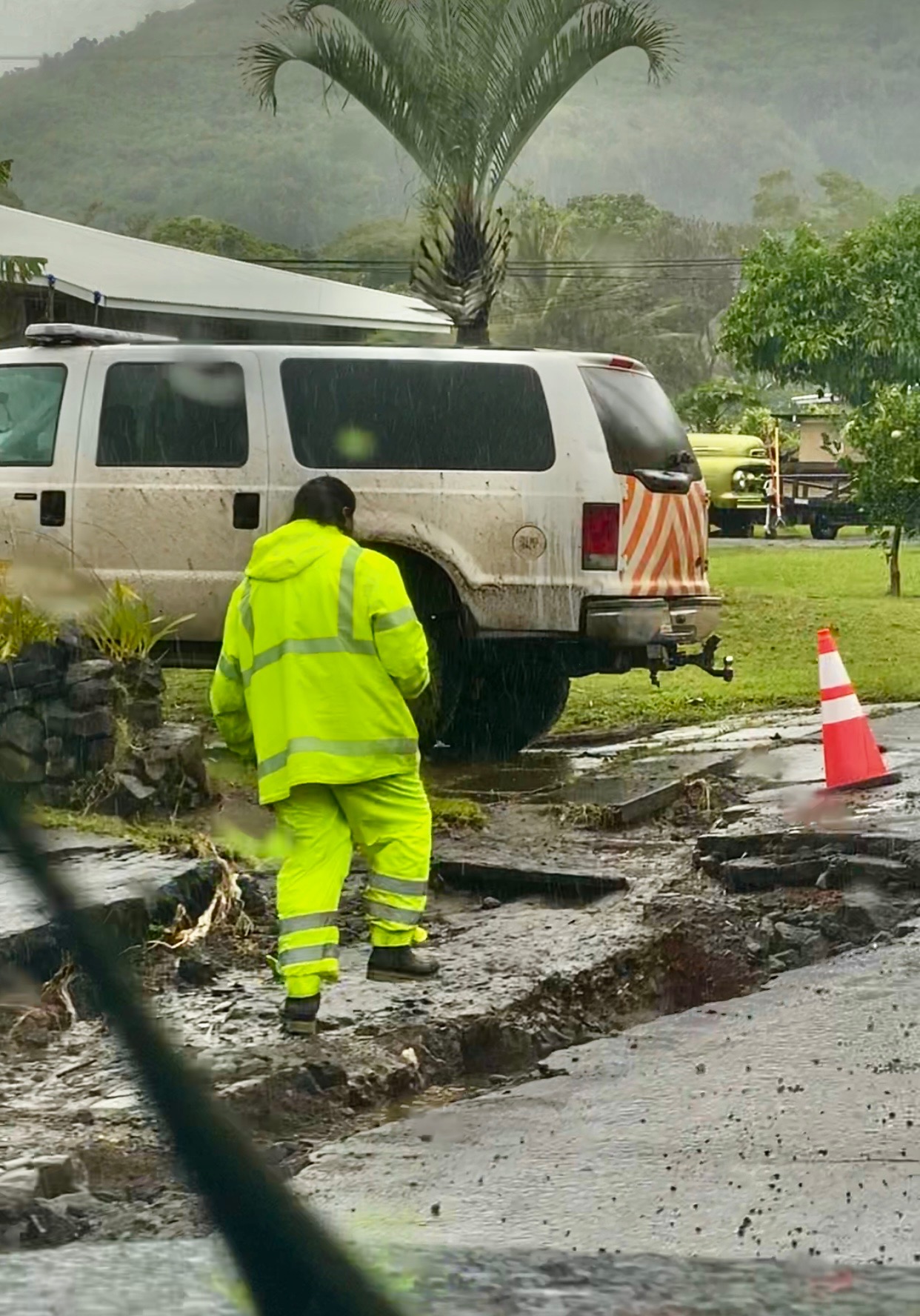
Council members agreed it is only a matter of time before the island is truck by another disaster, such as a volcanic eruption, kona low, tropical cyclone, tsunami or even a pandemic.
They agreed Bill 157 would ensure communities are supported when that disaster strikes, with the proposed County Disaster Recovery Program and recovery officer at the helm navigating through what often become devastating, life-altering events.
To watch a video of the Policy Committee on Health, Safety and Well-Being meeting about Bill 157, click here.