


Neighbor Islands see progress in sheltering more people experiencing homelessness
The latest Homeless Point-in-Time Count conducted on Jan. 25 across the Neighbor Islands showed remarkable improvement in the number of unsheltered families on the Big Island.
During a press conference on Wednesday in Kona about the census, nonprofit leaders said there has been a 91% decline in this demographic from 2018 to 2026. Pike said teams encountered five unsheltered families islandwide, whereas in 2018, there were 54 unsheltered families.
“We’re very close to being functional zero on family homelessness in Hawai‘i Island,” said Billi-Jo Pike, Chair of Community Alliance Partners, Hawaiʻi Islandʻs coalition of homeless service providers.
According to the census for Hawai‘i Island, family homelessness, in shelters and on the streets, decreased by 20% (from 41 families in 2024 to 33 in 2026).
But there still remains nearly 2,000 people without permanent housing on the Neighbor Islands, although the federally mandated annual census shows a modest 2% reduction from two years ago in total homelessness, both people who are staying in shelters and other types of temporary housing, and those living on the streets.
The number of people identified without having permanent housing went from 1,895 people in 2024 to 1,863 people this year.
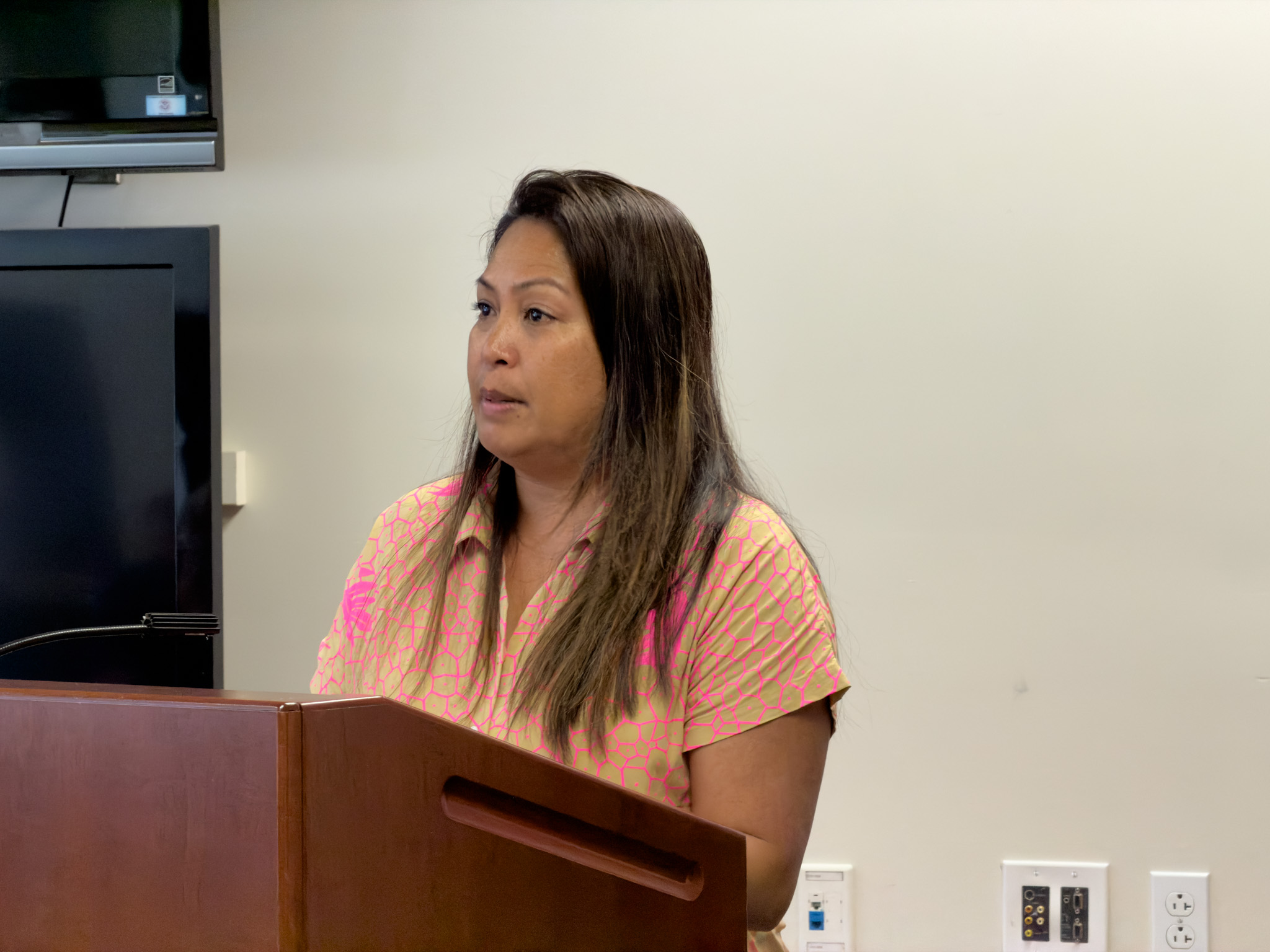
The Homeless Point-in-Time Count, collected by Bridging The Gap, a coalition of agencies dedicated to ending homelessness on the neighbor islands, was designed to identify every individual sleeping on the streets, in vehicles or in other areas not meant for human habitation.
This year, volunteers and outreach workers canvassed across Maui, Kauaʻi and Hawaiʻi Island, asking unsheltered residents: “Where did you sleep on the night of January 25, 2026?”
Partners from the Big Island, Kaua‘i and Maui came together in Kona to announce the data collected in January. Click here for the full report.
See below for the Neighbor Island homelessness Point-in-Time Count stats for Hawai‘i Island, Kaua‘i and Maui:
- 10% reduction in sheltered homelessness, a decrease of 61 people from 619 in 2024 to 558 in 2026.
- 2% increase in unsheltered homelessness, from 1,276 people in 2024 to 1,305 people in 2026.
- 6% reduction in family households experiencing homelessness, sheltered and unsheltered, from 133 family households in 2024 to 125 family households in 2026.
See below for the full Point in Time Count data for Hawai‘i Island:
- Total homelessness, sheltered and unsheltered, decreased by 3% (from 718 in 2024 to 696 in 2026).
- Unsheltered homelessness decreased by 11% (from 527 in 2024 to 467 in 2026).
- Sheltered homelessness increased by 20% (from 191 in 2024 to 229 in 2026).
- Family homelessness, sheltered and unsheltered, decreased by 20% (from 41 families in 2024 to 33 in 2026).
- Veteran homelessness increased by 16% (from 38 in 2024 to 44 in 2026).
The 2026 count was characterized by a renewed commitment to reaching the most isolated members of the community, according to a news release from Bridging the Gap. Recognizing that homelessness often exists far beyond city centers, teams expanded their search into extreme terrain and difficult-to-access locations. Volunteers trekked into remote lava fields, dense brush, hidden gulches and rugged coastline areas far from the public eye.
By navigating these landscapes, the coalition aimed to ensure that the most vulnerable and hidden members of the unsheltered population were seen and counted, officials stated in a press release after the press conference.
“While we are encouraged by a 10% reduction in sheltered homelessness, the slight rise in those living unsheltered — from 1,276 to 1,305 people — reminds us that our work is far from finished,” said Brandee Menino, Bridging the Gap Chair. “It’s a clear signal that we must continue to move beyond temporary fixes and invest heavily in permanent, supportive housing that people can realistically afford.”

Big Island Now went out with Hope Services for the Point-in-Time Count in 2023, where a family with an 18-month-old toddler was living in their car in Kona.
In comparing 2023 to 2026, Menino said Wednesday that doing the count on this Jan. 25 was much different that three years earlier.
“I saw only one family that was at the beach that frequented the Friendly Place, from what my team tells me,” said Menino, who is also the chief executive officer of Hope Services Hawai‘i.
The nonprofit operates shelters and other services to address homelessness in the community, and it runs the Friendly Place Resource Center in Kona that provides food, showers and laundry facilities.
Menino said she also encountered unhoused people in Kona at Honokōhau Harbor and the public library.
Pike said Hawaiʻi Island is showing that progress is possible when community partners, housing providers, service teams and local leaders work together.
Through coordinated outreach efforts, Pike said outreach teams are finding people on the street and moving them into the next step of their housing journey, which is shelter.
Once in shelters, individuals receive case management with access to more intensive resources to help them get permanent housing and a continuum of care.
“We are moving more people indoors and seeing meaningful reductions in family homelessness, but the work is not finished,” Pike said. “Too many households are still waiting for a stable, permanent place to call home. Continued investment in housing and support services is what will allow us to turn today’s progress into lasting change.”
There have been other investments from the local government with the creation of the Hawai‘i County Homelessness and Housing Fund, which has allowed the nonprofit to expand its services specifically for families and youth, to increase capacity and eliminate the need for a waiting list for families that are ready for case management.