

Hawai‘i Department of Health EMS Branch receives national recognition
The Hawaiʻi Department of Health’s Emergency Medical Services Branch has been named the 2026 National State EMS Office/Agency of the Year by the National Association of State Emergency Medical Services Officials.
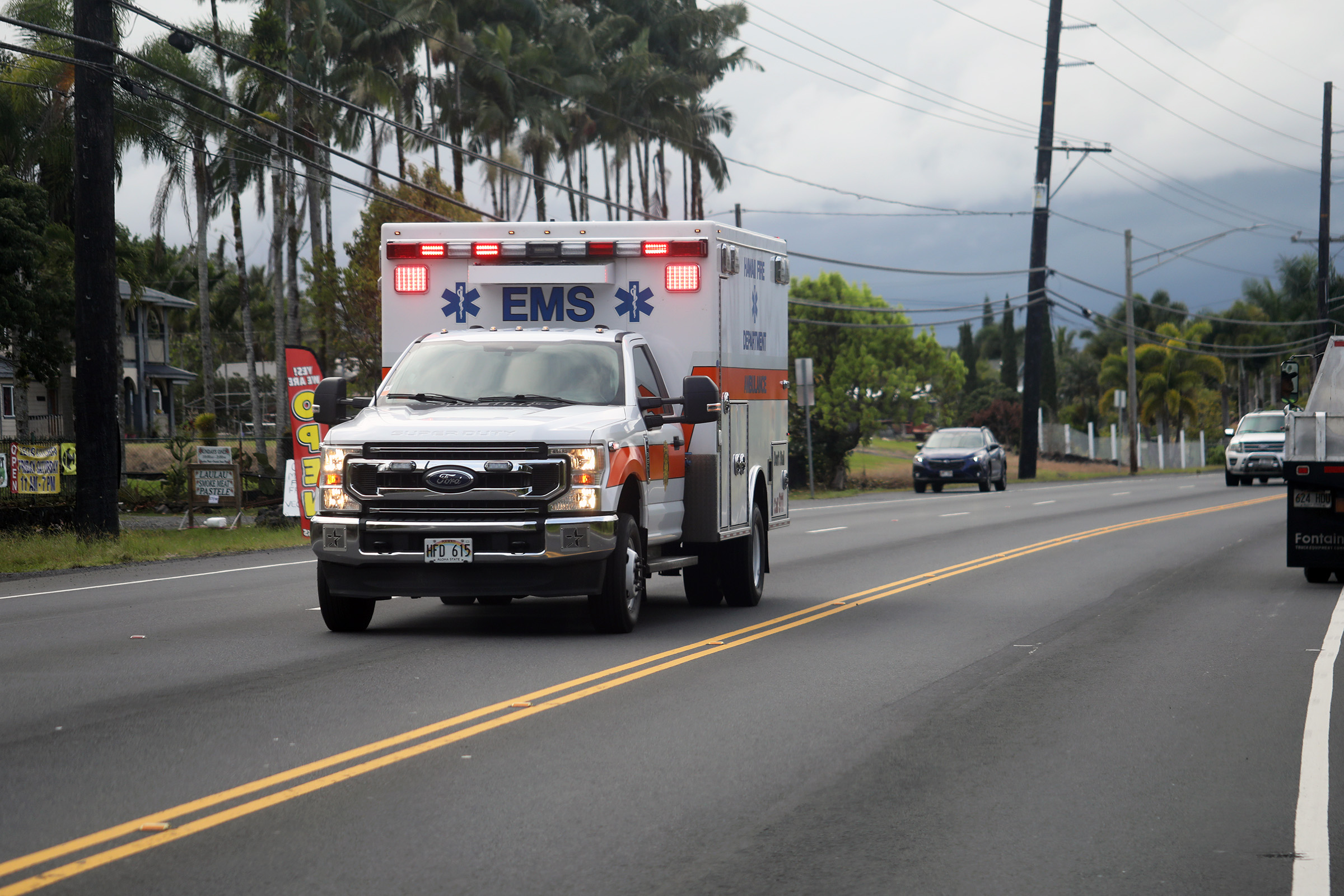
This national recognition honors Hawaiʻi’s leadership in advancing innovative, community-centered emergency medical care and reflects the collective efforts of EMS personnel, healthcare providers, public health professionals and partners statewide, according to a news release from the Department of Health.
“Hawaiʻi’s EMS system is not only responding to emergencies, but also helping to prevent them,” said Gov. Josh Green. “This national award underscores our commitment to building a stronger, more equitable healthcare system for all residents, especially those in rural and underserved communities.”
Over the past year, Hawaiʻi EMS has been driving a significant transformation from a traditional emergency response model to a comprehensive Emergency Medical Systems of Care approach, the release states. This shift emphasizes community-based care, prevention and addressing the root causes of 911 system utilization.
Under the leadership of recently appointed DOH State Chief of Emergency Medical Services Garrett D. Hall, the EMS Branch has accelerated efforts to modernize and better align emergency care across the state.
Hall has worked to strengthen system integration, advanced data-driven decision-making and expanded cross-sector collaboration to support Hawaiʻi’s evolving healthcare landscape.
“Our focus has been on building the foundational infrastructure and partnerships necessary to support a true system of care,” said Hall, who is also a registered nurse. “By working alongside legislators, EMS agencies, hospitals, the Emergency Medical Services Advisory Council and many others, we are establishing a coordinated, resilient system that improves access, strengthens care delivery and meets the needs of communities across Hawaiʻi.”
Key initiatives contributing to this recognition include the expansion of mobile integrated health and community paramedicine programs, as well as the development of the Emergency Medical Services transformation into Community Anchored Rural EcoSystems of Care (EMS CARES) initiatives. These efforts are supported through the DOH Rural Health Transformation (RHT) Program and the Rural Infrastructure for Care Access (RICA) initiative, helping bring healthcare services directly into communities across the islands.
“This award represents the dedication and collaboration of our entire EMS system, from first responders to healthcare partners and community organizations,” said DOH Director Dr. Kenneth Fink. “Hawaiʻi is leading the way in reimagining how emergency care is delivered, ensuring people receive the right care at the right time, in the right place.”
The Department of Health is also advancing landmark legislation to modernize EMS into a statewide systems-of-care model. Once enacted, the EMS branch will transition into the Emergency Medical Services Systems of Care Branch, encompassing EMS systems, acute care systems such as trauma, stroke, cardiac, pediatric and burn care, injury prevention and healthcare preparedness.