

Study reveals robust seasonal cycles among vast diverse ocean microbial communities
University of Hawai‘i at Mānoa oceanographers discovered that microbial communities in the North Pacific Subtropical Gyre — from the sunlit surface to extreme depths — exhibit robust seasonal cycles.
The study provides new insight into how high levels of biodiversity are maintained in the open ocean.
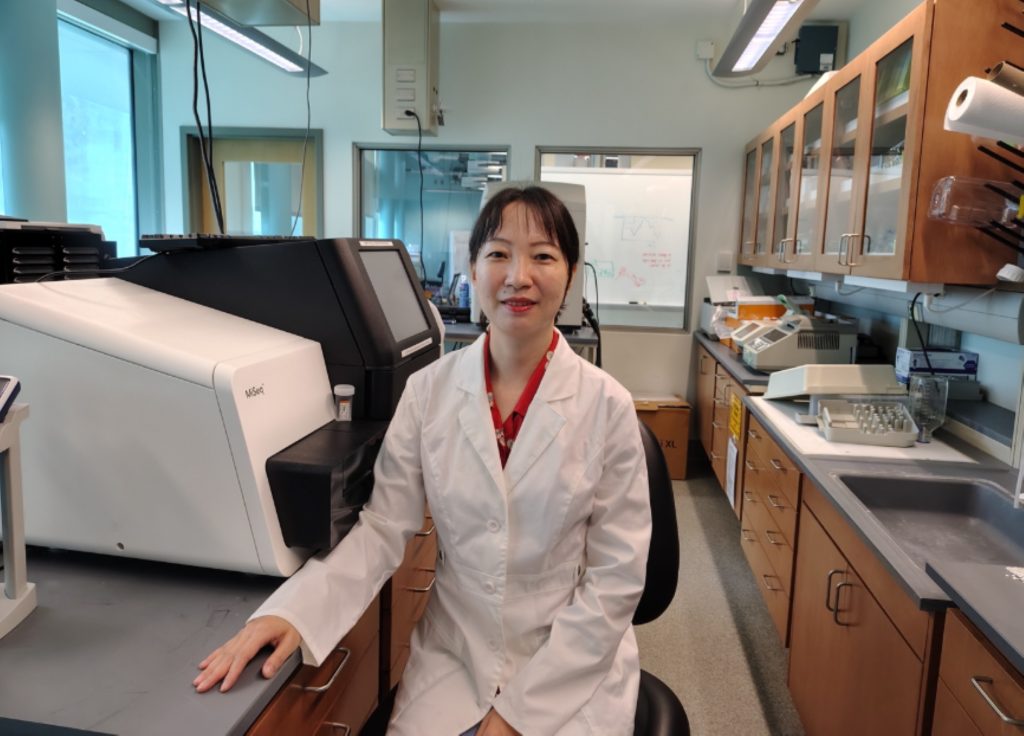
“A long-standing question in biological oceanography, which we refer to as the ‘paradox of the plankton,’ asks: How can open ocean species diversity be so vast and sustained, in a seemingly homogeneous environment like the open ocean?” said study lead author and affiliate researcher for Center for Microbial Oceanography: Research and Education at University of Hawai‘i at Mānoa School of Ocean and Earth Science and Technology Fuyan Li in a release about the study’s findings.
Blue, deep waters of the Pacific Ocean have extremely low nutrient concentrations compared with coastal areas teeming with visible life such as kelp forests off California or coral reefs in Hawai‘i.
“Theoretical ecology suggests that one way co-occurring species diversity can be maintained, is if shared resources, such as nutrients, are used at different times of year, thereby minimizing competition,” Li said. “Though seasonal cycles are a fundamental property of many diverse ecosystems, seasonality in the tropics is less pronounced than in temperate or polar ocean habitats.”
The study was funded by Simons Foundation project Simons Collaboration on Ocean Processes and Ecology.
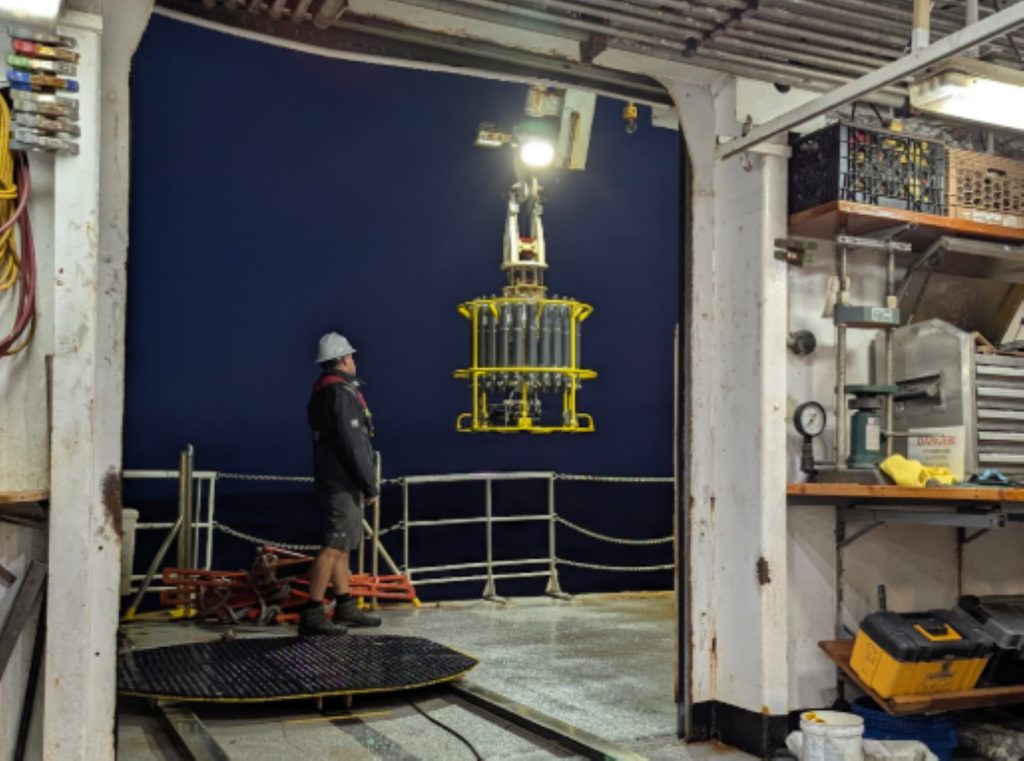
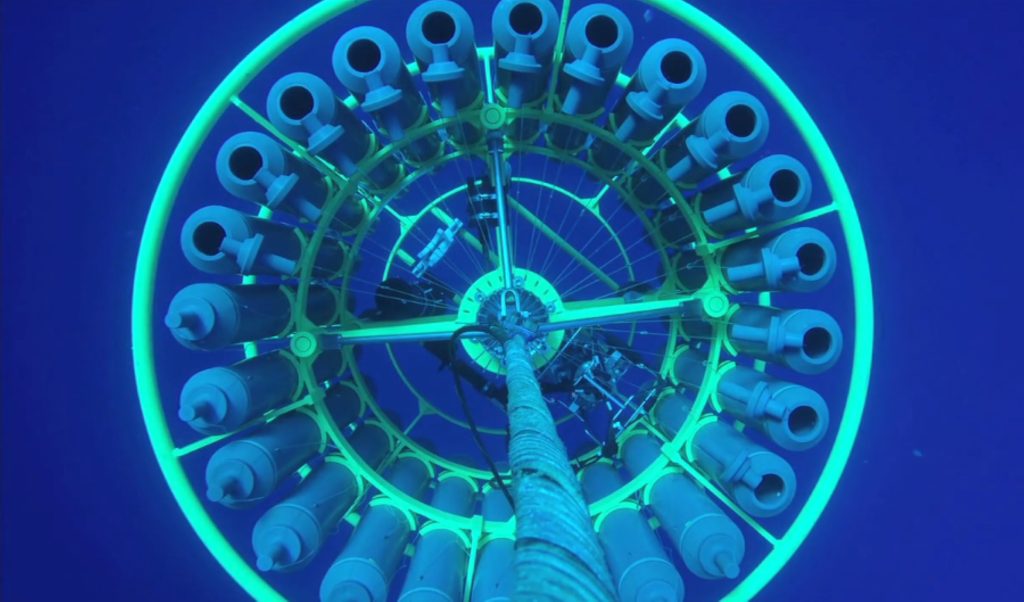
Li and colleagues analyzed microbial DNA in samples collected monthly throughout 8 years, leveraging the Hawai‘i Ocean Time-series (HOT) program, to determine whether microbial communities at Station ALOHA, a tropical, open ocean research station 60 miles north of O‘ahu, have seasonal cycles.
The combination of frequent sampling throughout a long time period, and high-resolution species identification, allowed researchers to make these new and unprecedented open ocean observations.
They found more than 60% of the microbial groups they tracked exhibited seasonal cycling.
While these seasonal cycles diminished at depths below slightly more than 492 feet, surprisingly, they remained measurable in some deep-sea microbial species at depths of nearly 2.5 miles.
“Notably, very closely related species or subspecies ‘bloomed’ at different times of the year, similar to seasonal patterns observed in some terrestrial plants and animals,” Li said. “Taking turns with respect to nutrient use throughout the year seems to be a key ecological strategy for microbial communities to maintain their diversity.”
Microbial communities consistently supply organic matter and energy to organisms higher in the food web, for example larval fish, by sustaining their populations throughout the year.
Microbes, in the same way, ensure the stability of the marine food web and productivity in waters throughout the Pacific Ocean.