


Justice Department, DEA ordered to reclassify state-licensed medical marijuana as less dangerous drug
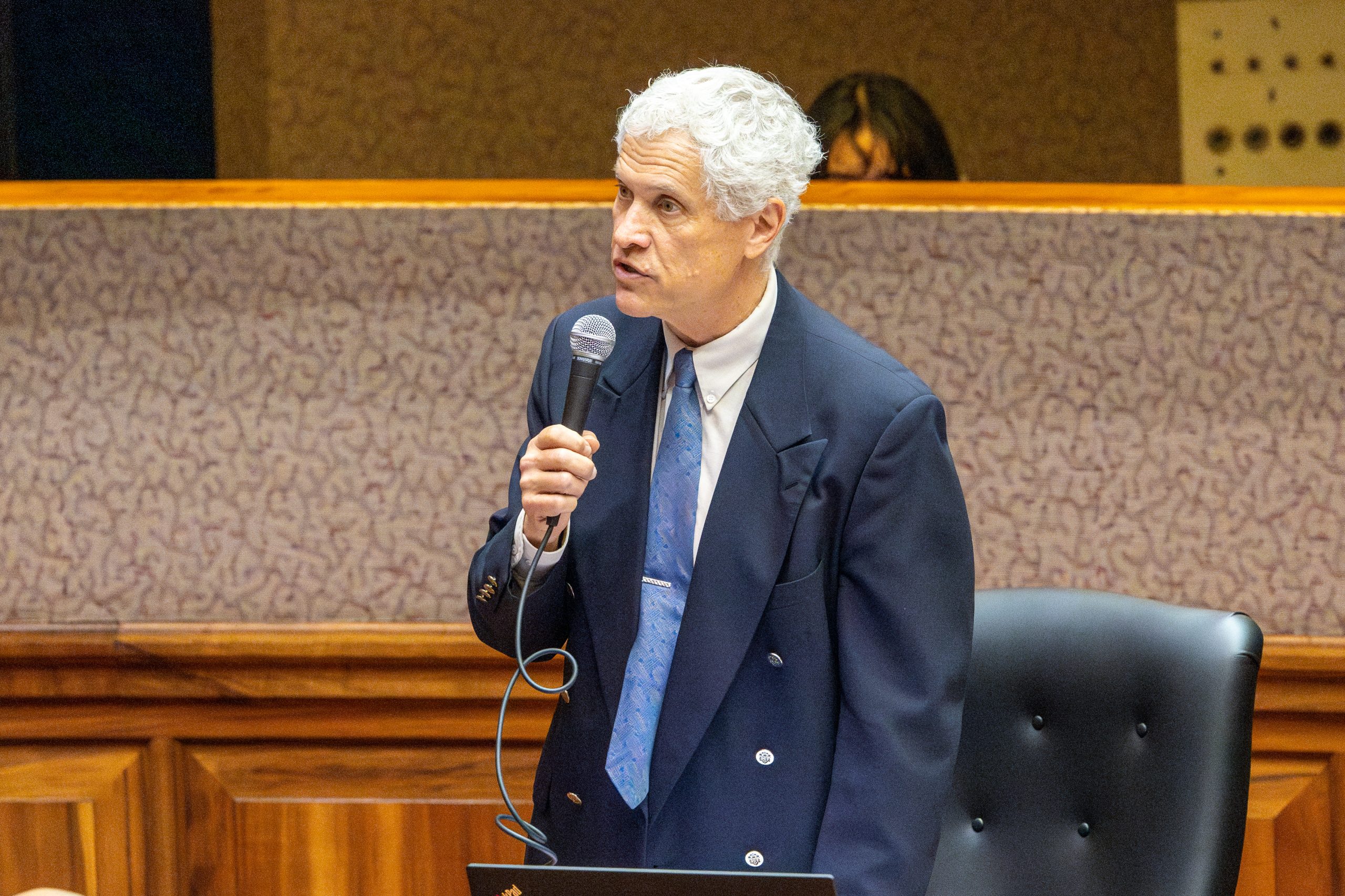
For several years, Hawai‘i Rep. David Tarnas has presented legislation to legalize adult use of recreational cannabis, and it has gone nowhere.
But despite Hawaiʻi lawmakers not taking action on cannabis-related bills this session, Tarnas said he is hopeful after hearing about Acting Attorney General Todd Blanche’s order to the U.S. Department of Justice and the Drug Enforcement Administration to reclassify medical-grade marijuana as a less dangerous drug.
Tarnas, who represents North and South Kohala on the Big Island, said it’s a good first step and indicates a significant change in federal drug policy.
“It’s only the beginning and there are still a lot of questions,” Tarnas said. “Folks in the community and the (cannabis) industry are uncertain how it will affect the current status quo.”
On Dec. 18, President Donald Trump signed an executive order that started the reclassification effort, saying it allowed for more opportunities for research and access to CBD, a non-psychoactive compound derived from hemp or cannabis that is used to treat epilepsy and potentially provides relief from anxiety, pain and sleep issues.
Thursday’s order applies only to U.S. Food and Drug Administration-approved products containing marijuana and marijuana products regulated by a state medical marijuana license in Schedule III of the Controlled Substances Act.
Blanche’s order also initiates an expedited administrative hearing process to consider the broader rescheduling of marijuana from Schedule I to Schedule III.
Notice of the new hearing, beginning June 29, will be published in the Federal Register. The hearing will provide a “timely and legally compliant pathway to evaluate broader changes to marijuana’s status under federal law,” a press release from the Department of Justice states.
“Together, these actions provide immediate and long-term clarity to researchers, patients and providers alike while still maintaining strict federal controls against illicit drug trafficking.”
Blanche said this action allows for research on the safety and efficacy of this substance, ultimately providing patients with better care and doctors with more reliable information.
Currently, medical marijuana is listed as a Schedule I drug along with substances like heroin, LSD and ecstasy. The order would move it into a class III schedule, which includes codeine, ketamine and anabolic steroids.
“Schedule I drugs, substances or chemicals are defined as drugs with no currently accepted medical use and a high potential for abuse,” the U.S. Drug Enforcement Administration website says. “Schedule III drugs, substances or chemicals are defined as drugs with a moderate to low potential for physical and psychological dependence.”
Medical marijuana has been legal in the State of Hawai‘i since 2000. It was the first state to legalize medical use through the State Legislature rather than through a ballot initiative.
Attempts by state lawmakers to legalize the drug for recreational use have stalled. In 2019, the state decriminalized small amounts of cannabis, three grams of less. Then Gov. David Ige allowed the State Legislature-passed bill to become law without signing it.
Ultimately, Tarnas would like to see the federal government move to also change cannabis for recreational adult use to the less dangerous Schedule III.
“I’m hopeful, and I’m monitoring it closely,” the Big Island lawmaker said.
The Hawaiʻi State Department of Health stated in an email to Big Island Now on Friday that the Office of Medical Cannabis Control and Regulation is aware of the federal cannabis rescheduling order issued on April 23.
“While this action represents a significant federal development, the implementation process and its practical impacts are still being worked out,” the Health Department said. “We are actively coordinating with federal partners and state agencies to understand how this change will affect Hawaiʻi’s medical cannabis program.”
At this time, the Health Department said there are no immediate changes to state law or program operations.
“We will continue to engage with stakeholders and provide updates as more information becomes available,” the Health Department said. “Our priority remains supporting Hawaiʻi’s patients, caregivers and providers, and ensuring continued safe, regulated access to medical cannabis.”
Blanche is placing both FDA-approved drug products containing marijuana, and medicinal marijuana products subject to a qualifying state-issued license in Schedule III under his authority to reschedule drugs to carry out the United States’ obligations under the Single Convention on Narcotic Drugs.
“This action recognizes the longstanding regulation of medical marijuana by state governments and the need for a common-sense approach to this reality,” the press release states.
“Under the direction of President Trump and Acting Attorney General Blanche, DEA is expeditiously moving forward with the administrative hearing process — bringing consistency and oversight to an area that has lacked both,” DEA Administrator Terry Cole said. “Our men and women in law enforcement remain committed to fighting drug cartels, the fentanyl epidemic, and protecting American lives.”
Separately, the Department announced procedural updates to expedite the ongoing rulemaking process required to fully remove marijuana from Schedule I and place it into Schedule III under the Controlled Substances Act.