



GALLERY: Hoʻike sets the tone of celebration, reverence for the Merrie Monarch Festival
While this year marks the 50th anniversary of hula kāne, Hoʻike also celebrated the next 50 years to come as the Merrie Monarch continues to draw in thousands of visitors to appreciate the ancient, essential Hawaiian tradition.
 Hālau O Kekuhi
- Huihui Kanahele-Mossman
- Hālau O Kekuhi
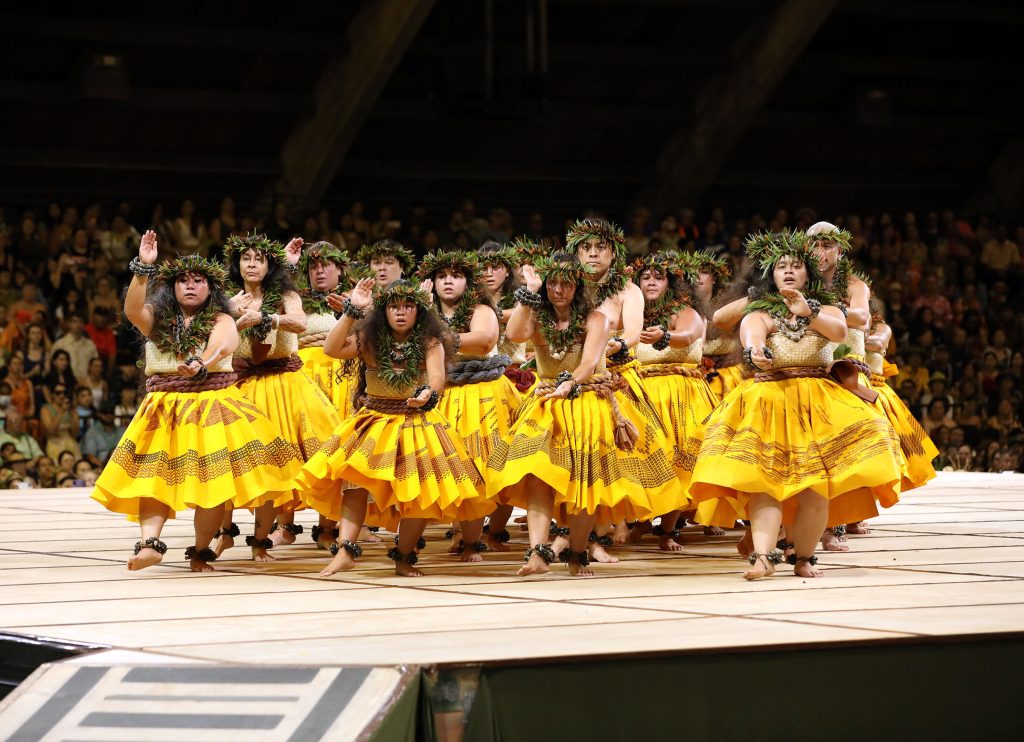
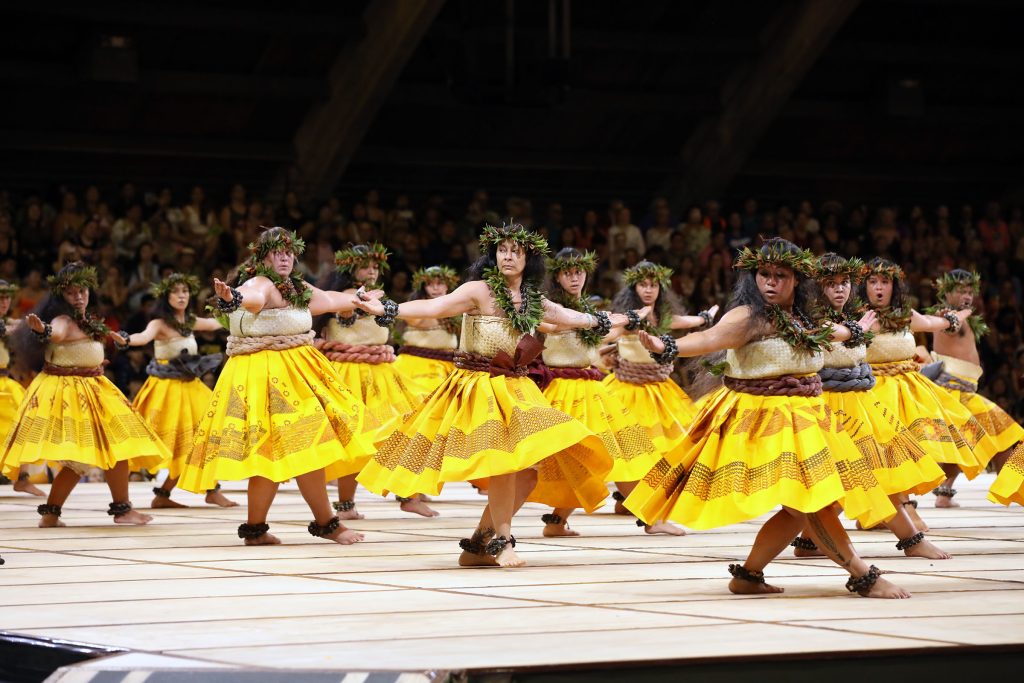
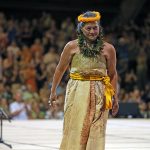
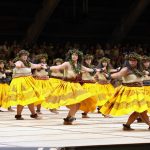
As they have since 1997, Hilo’s Hālau O Kekuhi opened the Merrie Monarch Hoʻike with the hālau’s ʻaihaʻa (signature) hula—a low-postured, bent-kneed, vigorous, and bombastic style of hula that mirrors the pressure and subsequent expulsion of lava from the Kīlauea volcano.
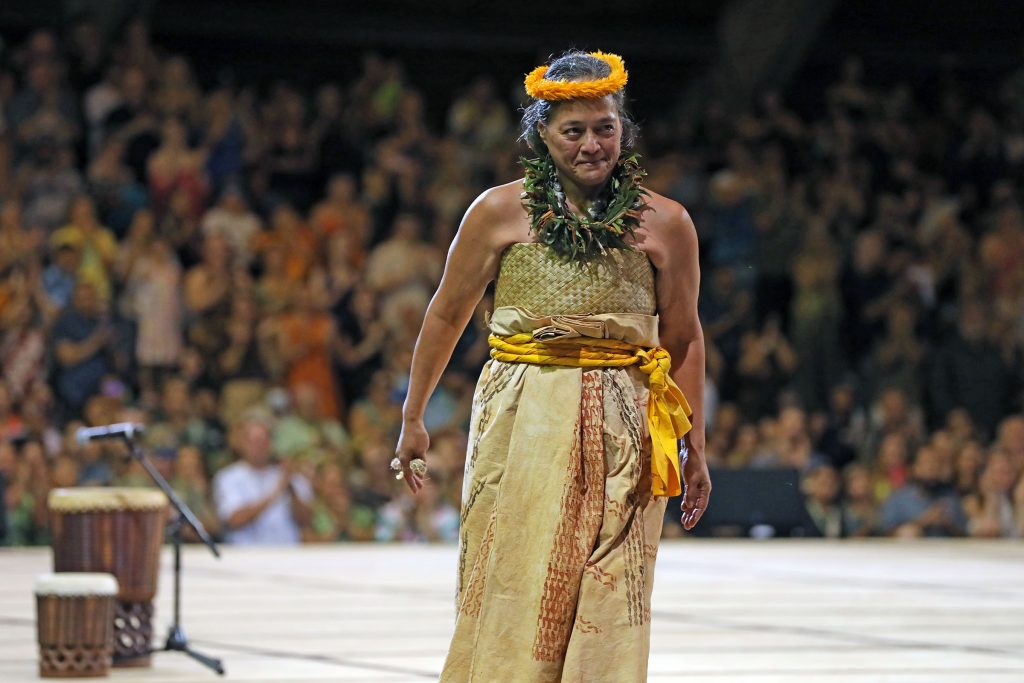
Kumu hula Huihui Kanahele-Mossman has taken on the sole leadership role as kumu hula for the first Merrie Monarch since the passing of kumu hula Nalani Kanakaʻole-Zane. After a solid performance, she received a standing ovation.
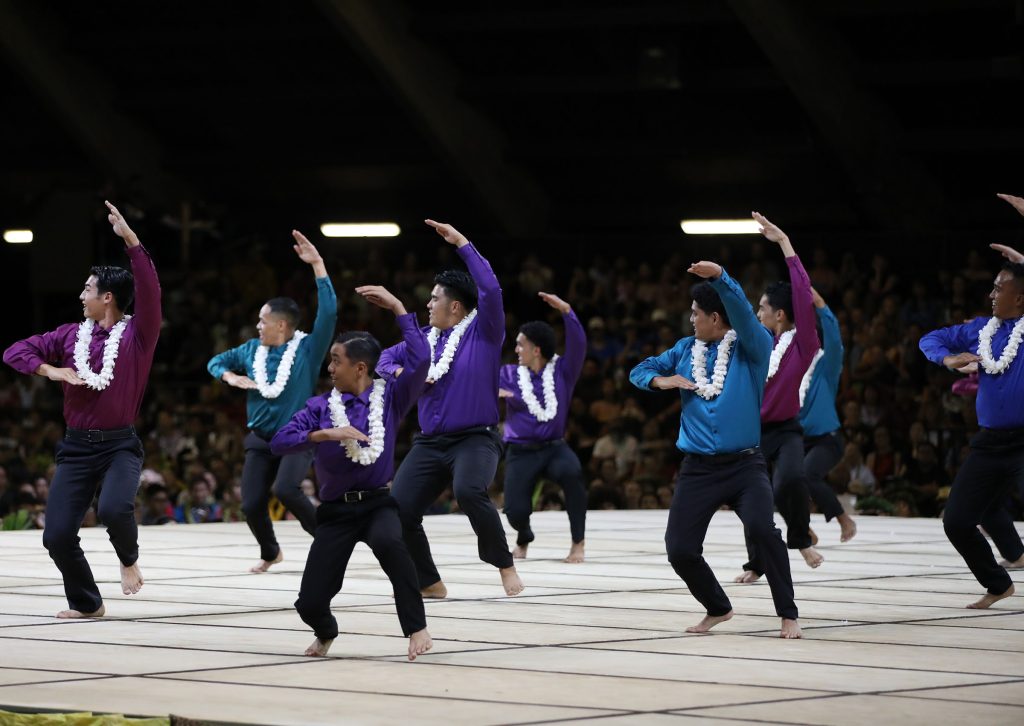
After Hālau O Kekuhi opened the night, the kāne dancers were center-stage as they represented hālau who danced on the Merrie Monarch stage in the early years.
- Hālau Nā Kamalei O Līlīlehua
- Hālau Nā Kamalei O Līlīlehua
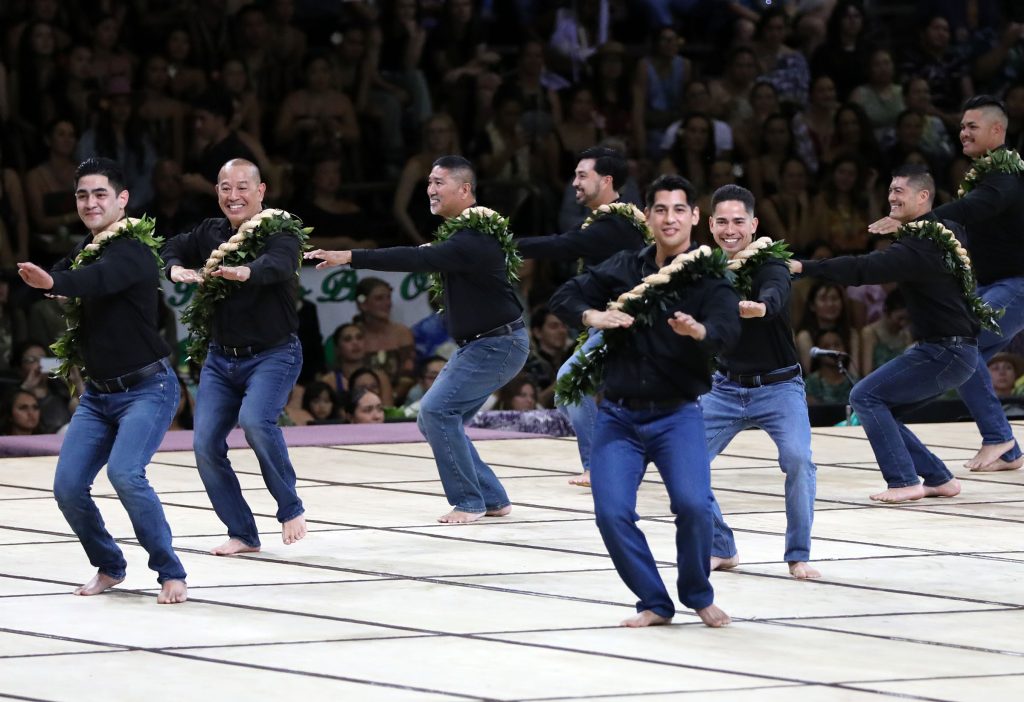
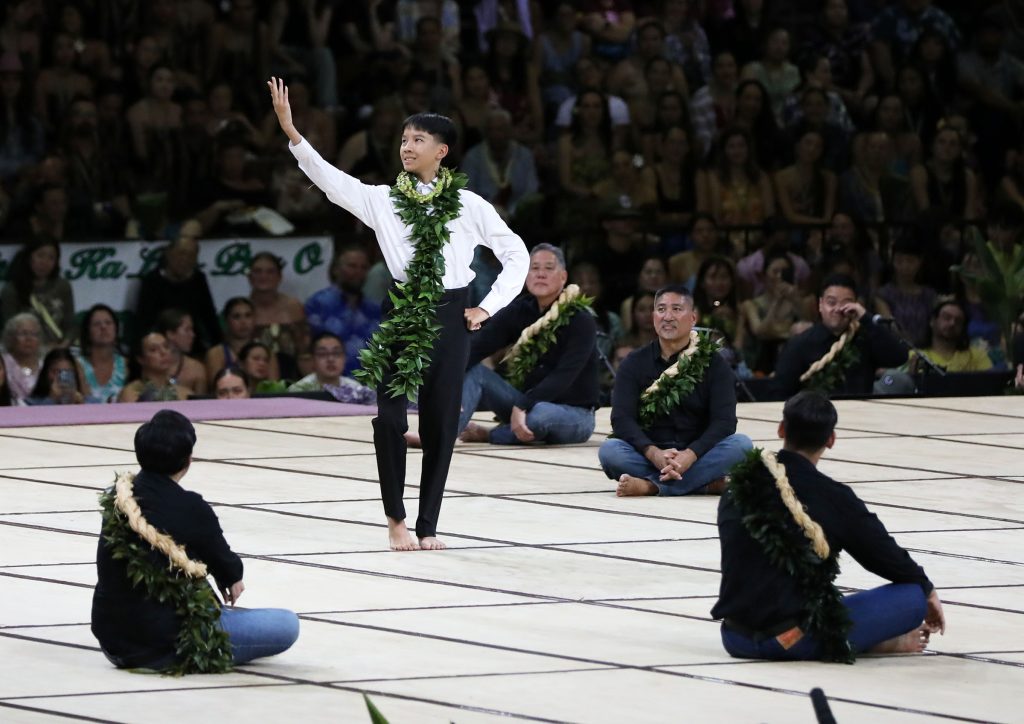
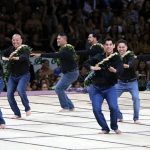
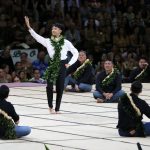
The first hālau was Hālau Nā Kamalei O Līlīlehua, under the direction of Robert Cazimero, who was the kumu hula for the first-ever kāne division overall winners in 1976.
Cazimero, who turned 77 last month, said that last year’s appearance, his hālau’s eighth in Merrie Monarch competition, would be his last as kumu. He said it was an honor, however, to be asked by Kawelu to appear for this historic Hoʻike.
“When I retired last year, I didn’t think I’d be back so quickly,” Cazimero joked during the exhibition night. “Aunty Luana, I’ll do almost anything, and that’s why we’re going back to do Hoʻike, to thank her for what her mom, Aunty Dot, did and what she’s done. It’s an honor to be here to celebrate 50 years of kāne hula.”
- Hālau Hula O Kahikilaulani
- Hālau Hula O Kahikilaulani
- Hālau Hula O Kahikilaulani
- Hālau Hula O Kahikilaulani
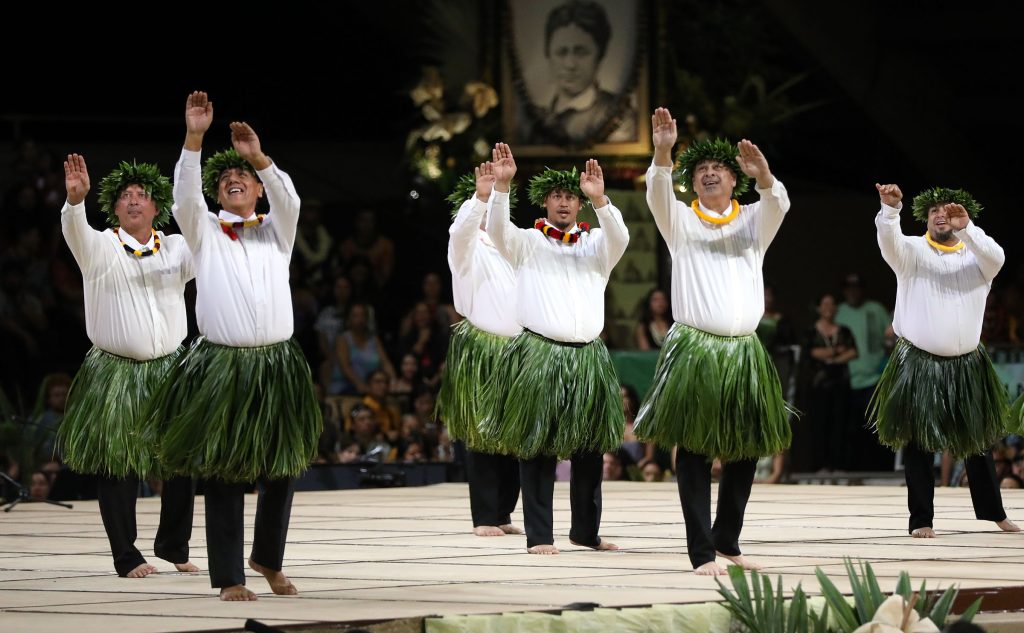
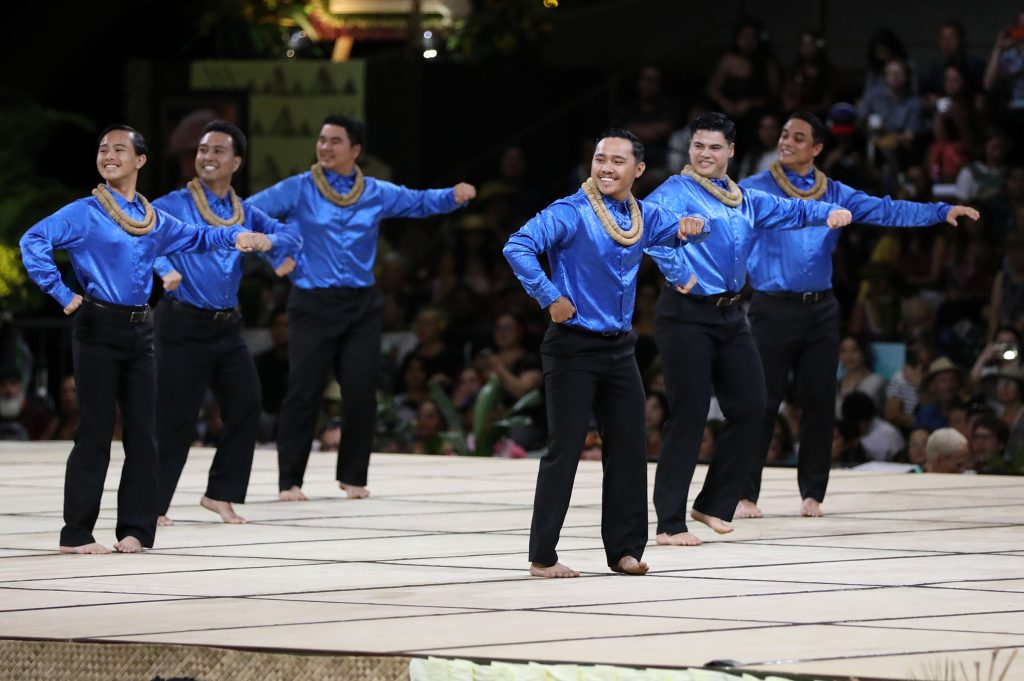
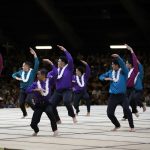
Next on stage was Hālau Hula O Kahikilaulani, which honored the late kumu hula Rae Fonseca, who was also part of the first year of kāne hula in the competition 50 years ago.
There were at least two kāne who received their ʻūniki (kumu hula graduation) in 2007 from Fonseca: nā kumu hula Emery Aceret and Kawika Alfiche, as well as kumu hula Robert Keʻano Kaʻupu, who danced for both Fonseca and the late Hilo kumu hula Johnny Lum Ho and received his ʻūniki from kumu hula Hokulani Holt-Padilla.
While the second kāne performance honored the past with representation from older dancers, the next group brought the energy of a new generation with younger kāne.
- Nā Wai ʻEhā ʻO Puna
- Nā Wai ʻEhā ʻO Puna
- Nā Wai ʻEhā ʻO Puna
- Nā Wai ʻEhā ʻO Puna
- Nā Wai ʻEhā ʻO Puna
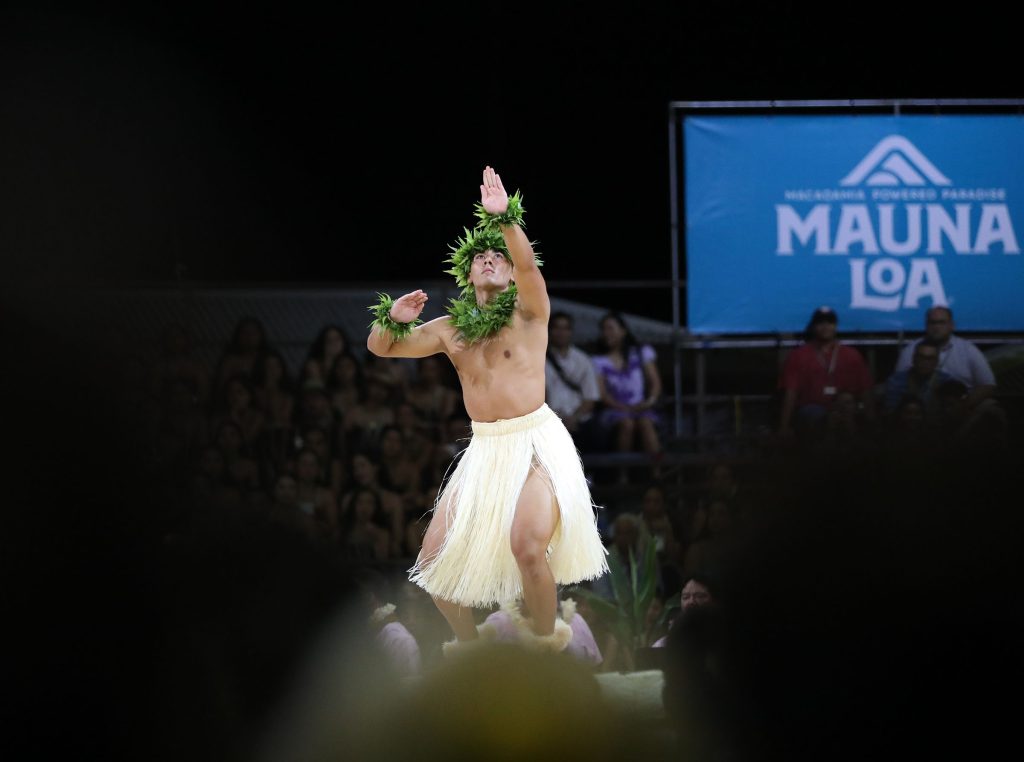
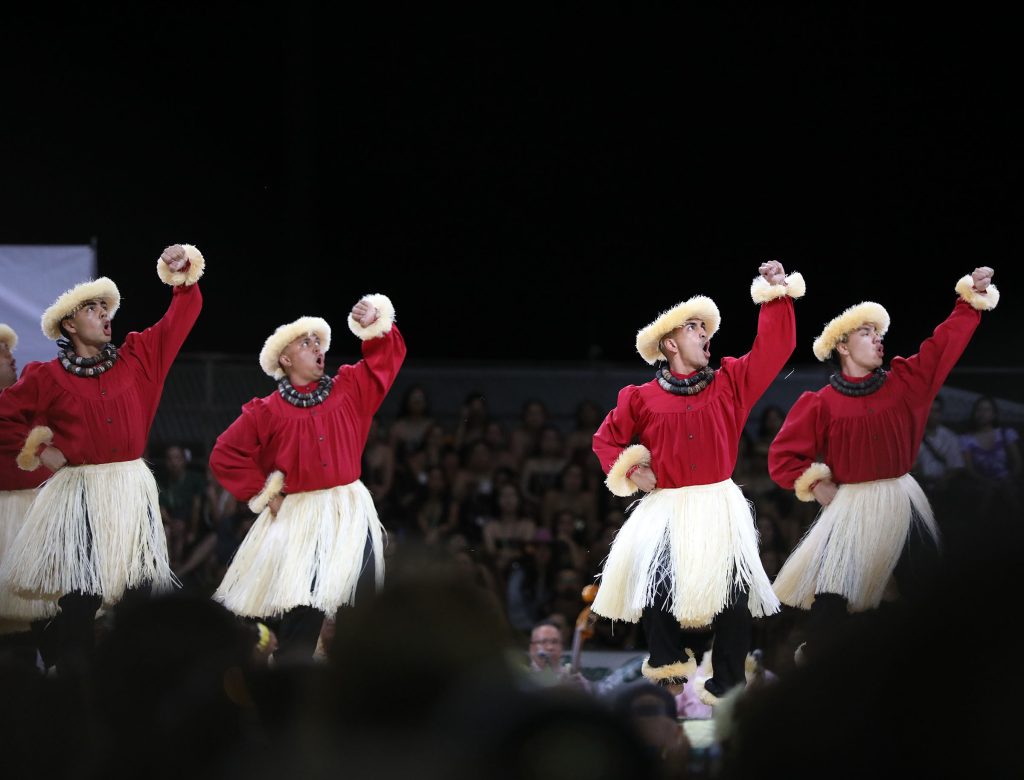
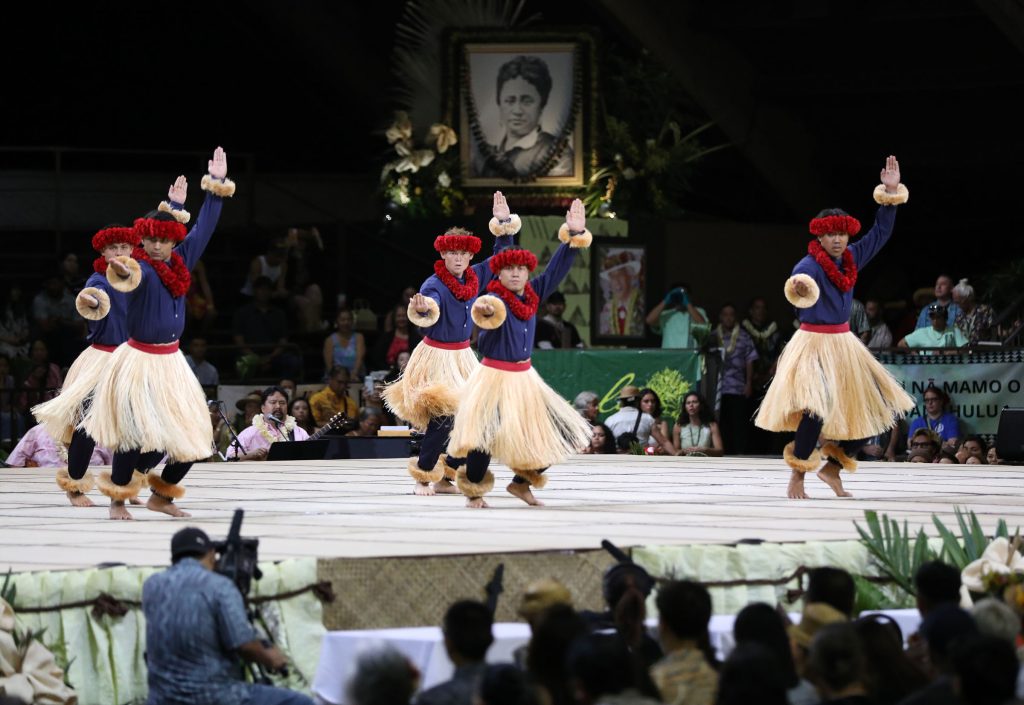
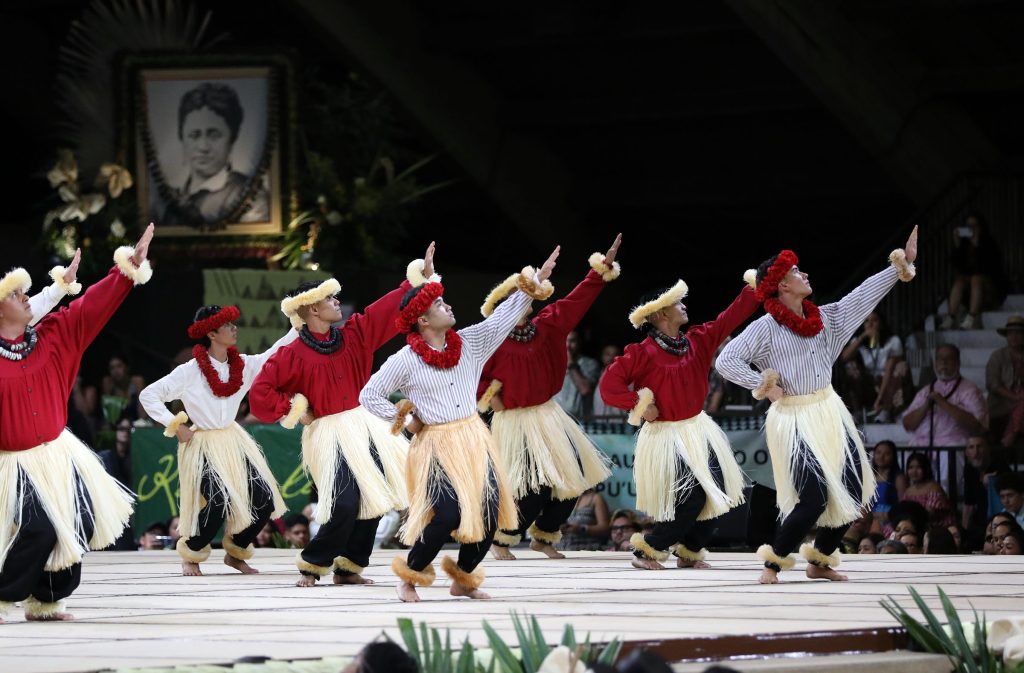
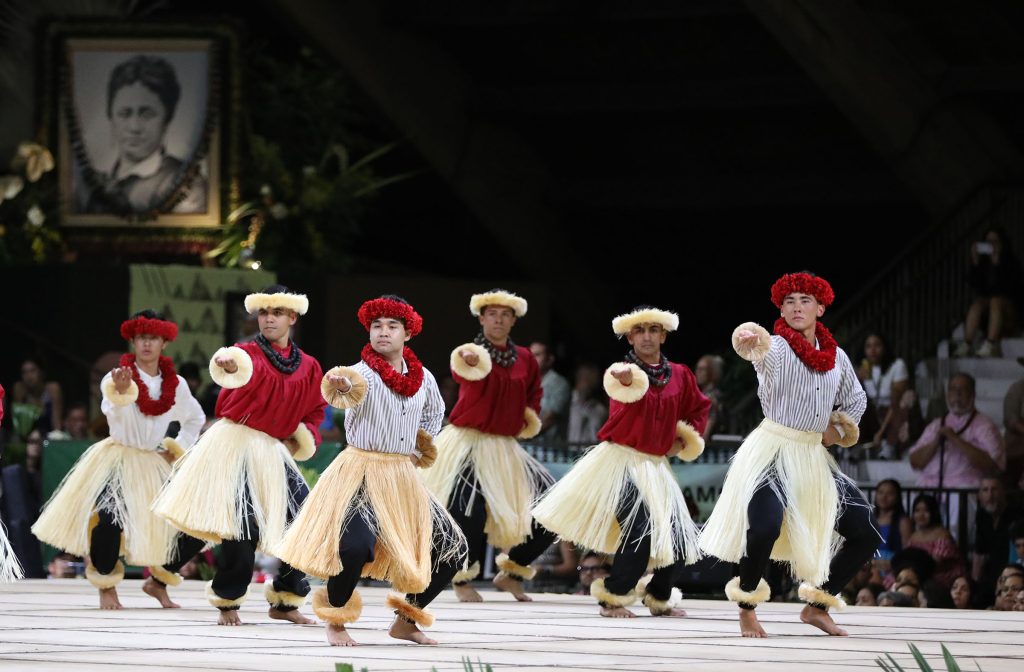
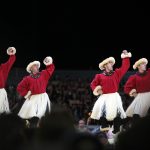
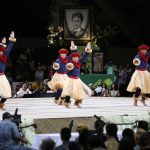
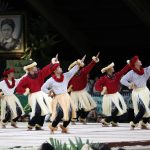
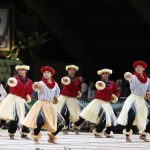
The third hālau were kāne from Oʻahu’s Nā Wai ʻEhā ʻO Puna, the hālau of nā kumu hula Thaddius Wilson and OʻBrien Eselu. Wilson died in 2004 and Eselu in 2012.
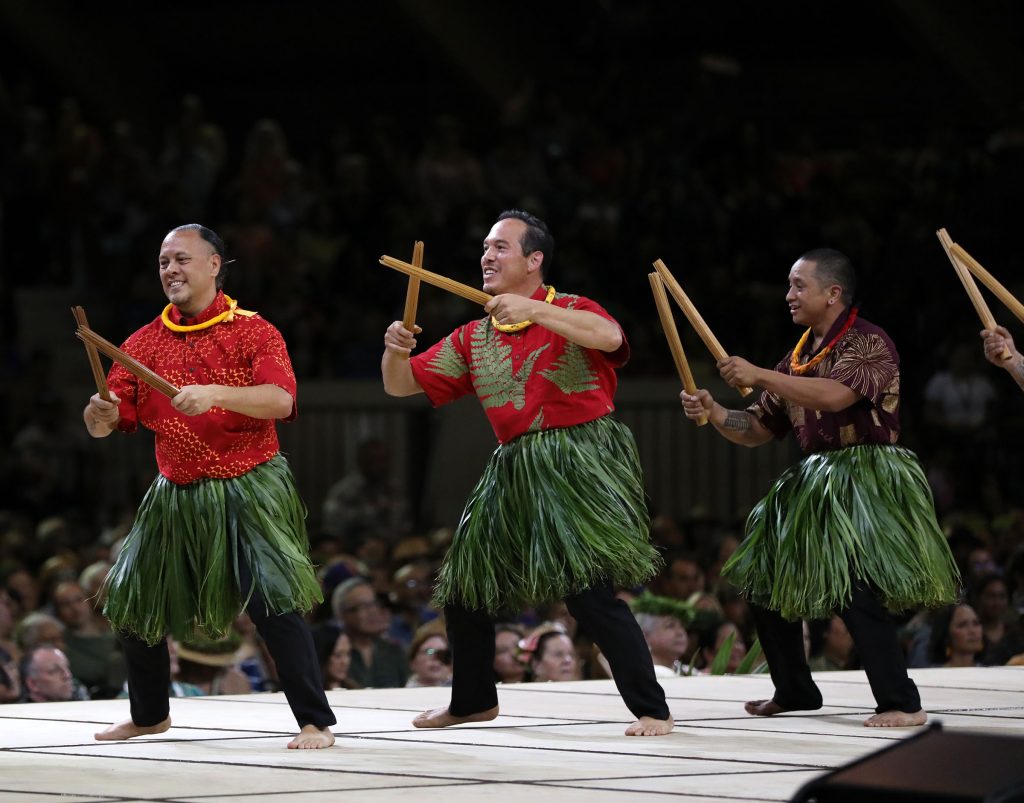
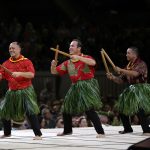
Anchoring the evening were the powerful kāne of Waimapuna, the hālau of the kumu hula Darrell Lupenui, who died in 1987. Armed with canoe paddles, the kāne told a story of the endurance needed for the ancient tradition of way-finding.
The official hula competition begins tonight with 13 solo wahine competing for hula’s most prestigious individual title—Miss Aloha Hula.
Sponsored Content


Subscribe to our Newsletter
Comments