



UPDATE: Winter weather advisory issued for summits above 12,500 feet on Mauna Kea, Mauna Loa
Update at 3:54 a.m. Wednesday, April 8, 2026: A winter weather advisory takes effect at 6 a.m. Wednesday, April 8, and will continue through 6 a.m. Friday, April 10, above 12,500 feet at the summits of Mauna Kea and Mauna Loa on the Big Island.
The advisory will replace a winter storm watch previously issued for the summits.
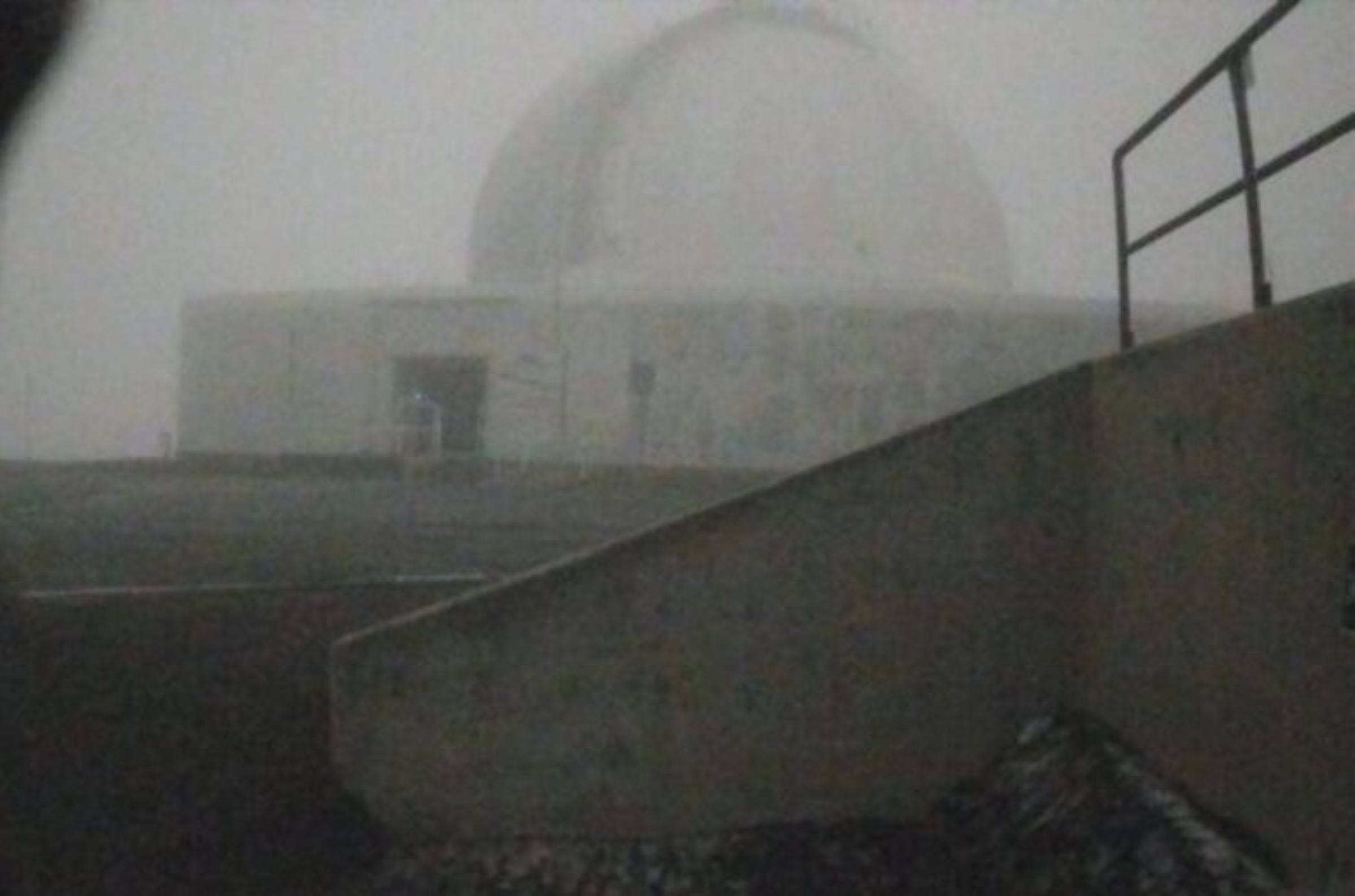
An upper level low will enhance moisture over the Big Island, bringing the potential for snow and freezing rain atop both mountains.
Ice accretion and snow on roads from this storm will make travel to the summits very difficult to impossible. Visibility also might be significantly reduced.
Snow and freezing rain are in the forecast, with National Weather Service Honolulu Forecast Office saying total snow accumulations of up to 6 inches and ice accumulation up to a quarter-inch are possible.
Winds will also gust as high as 55 mph.
Story originally posted at 3:43 p.m. Monday, April 6, 2026: A combination of heavy rain and winter weather is expected to impact the Big Island later this week, with forecasters warning of flash flooding at lower elevations and possible snow and ice at the highest summits.
The National Weather Service in Honolulu said a storm system moving into the region could produce excessive rainfall from the morning of April 8 through Friday afternoon, increasing the risk of flooding, road closures, and landslides across the island.
At the same time, a Winter Storm Watch has been issued for summit areas above 12,500 feet, including peaks at Mauna Kea and Mauna Loa.
Forecasters said those areas at higher elevations could see up to three inches of snow, along with ice accumulation of up to a quarter inch. Wind gusts may reach 55 mph, creating dangerous conditions and sharply reduced visibility.
Travel to the summit could become difficult or even impossible, forecasters said, particularly as snow may accumulate on ice-covered surfaces.
Authorities are advising residents and visitors to monitor forecasts closely and to reconsider travel plans to high elevations until conditions improve.
Residents are encouraged to monitor official updates from the National Weather Service and the Hawaiʻi Emergency Management Agency.
Additionally, the Hawaiʻi Emergency Management Agency website provides preparedness guidance and additional information.
Sponsored Content


Subscribe to our Newsletter
Comments