



Hawaiian Studies program teaches hula as a living practice at Hawaiʻi Community College
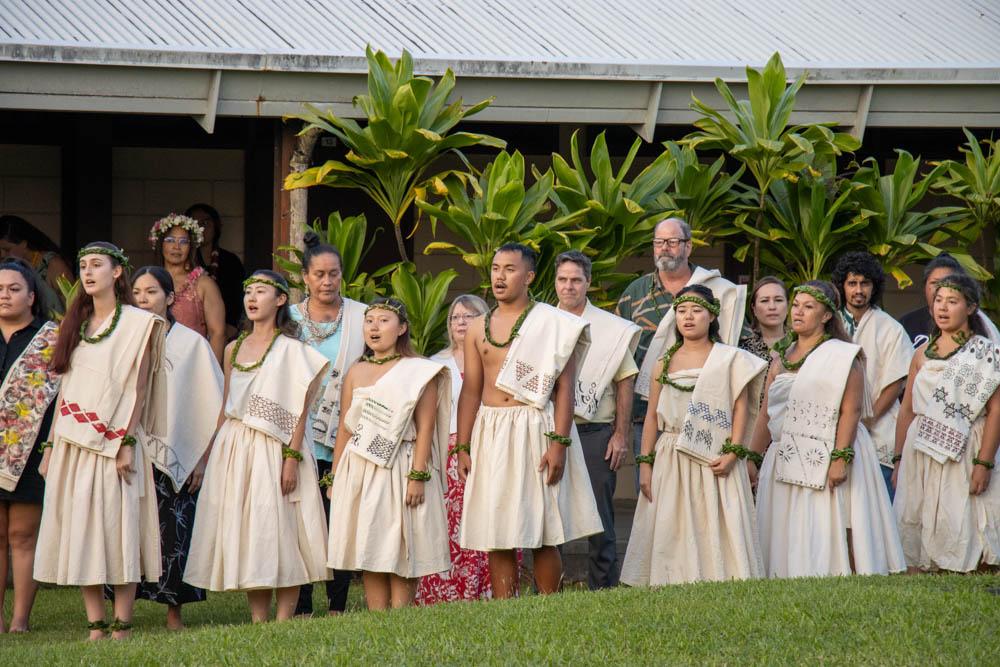
In 1973, Kumu Hula Edith Kanakaʻole established Hawaiian studies at Hawaiʻi Community College, and her daughter, Pualani Kanahele, expanded this vision to revive hula rituals.
Hawaiʻi Community College students can earn an Associate in Arts degree in Hawaiian studies with a hula concentration. It has strengthened students’ cultural identity and connection to ʻohana (family).
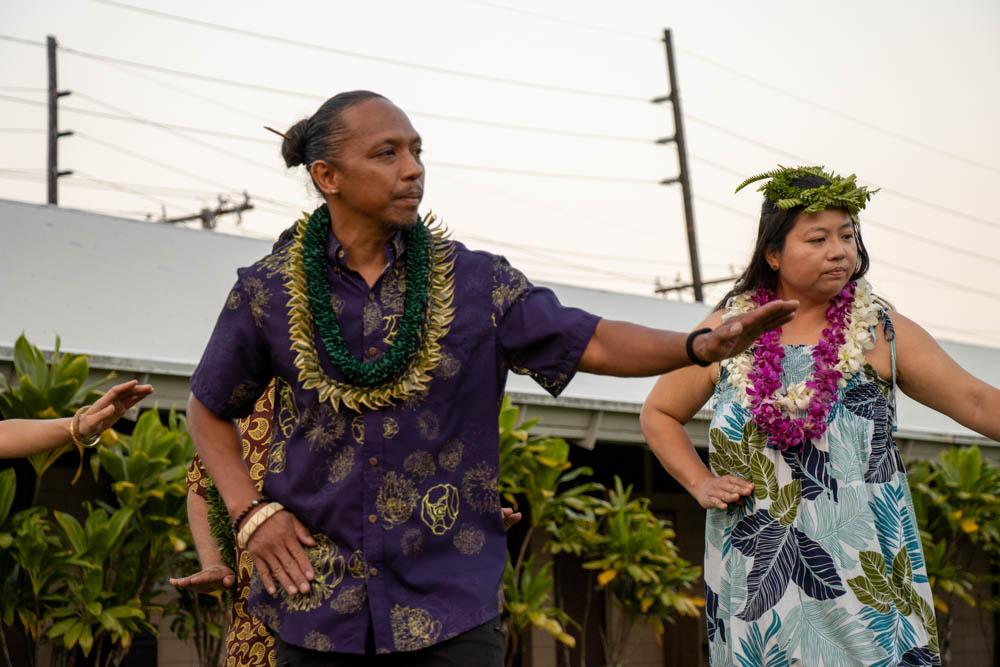
Kekoa Gabriel, a 2025 honors graduate with multiple Associate of Arts degrees, found the program clarified his kuleana (responsibility).
“Because of this program I feel a lot more connected to my ancestors, my ʻohana, my Hawaiian-ness, who I am as a Hawaiian,” Gabriel said. “I have a better look at where I want to go as a Hawaiian, who I want to be as a Hawaiian.”
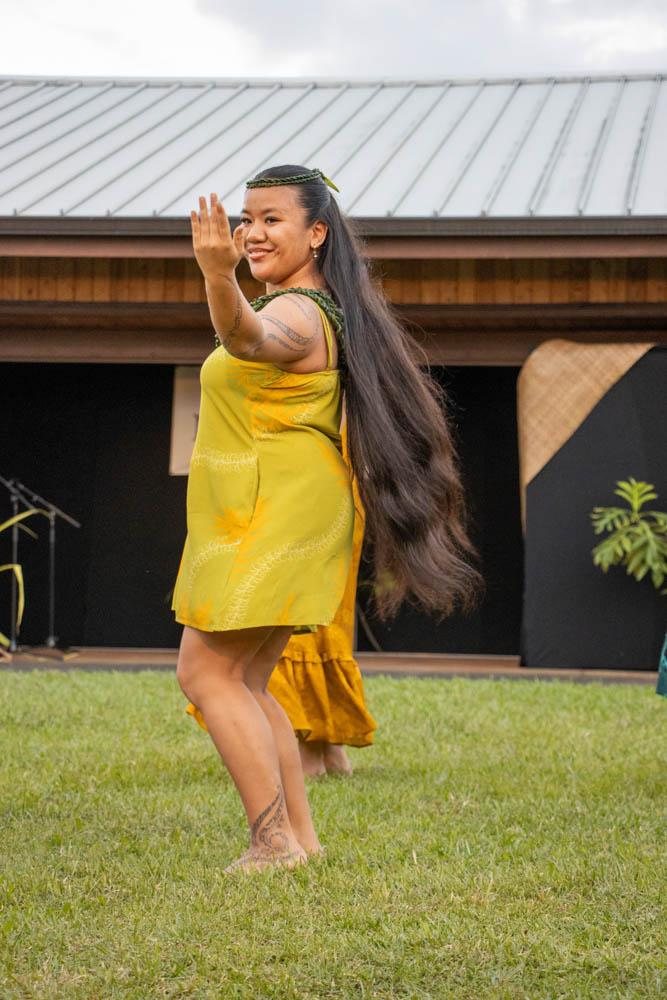
“I expanded my knowledge more than I ever could have, and I’m deeply grateful to be able to come here and learn more about my Hawaiian culture,” added Kamryn Kanoe Bosque, who is pursuing her degree with a hula focus.
The program’s impact is evident during the Merrie Monarch Festival, where participation in the annual festival’s opening ceremony has grown from about 30 individuals to more than 400 ritual practitioners, including Hawaiʻi Community College students, alumni and community members.
“Studying hula here at Hawaiʻi Community College goes beyond choreography,” Kumu Hula Pele Kaʻio said. “It exposes the learner to protocol, ceremony, traditional regalia, discipline and leadership.”
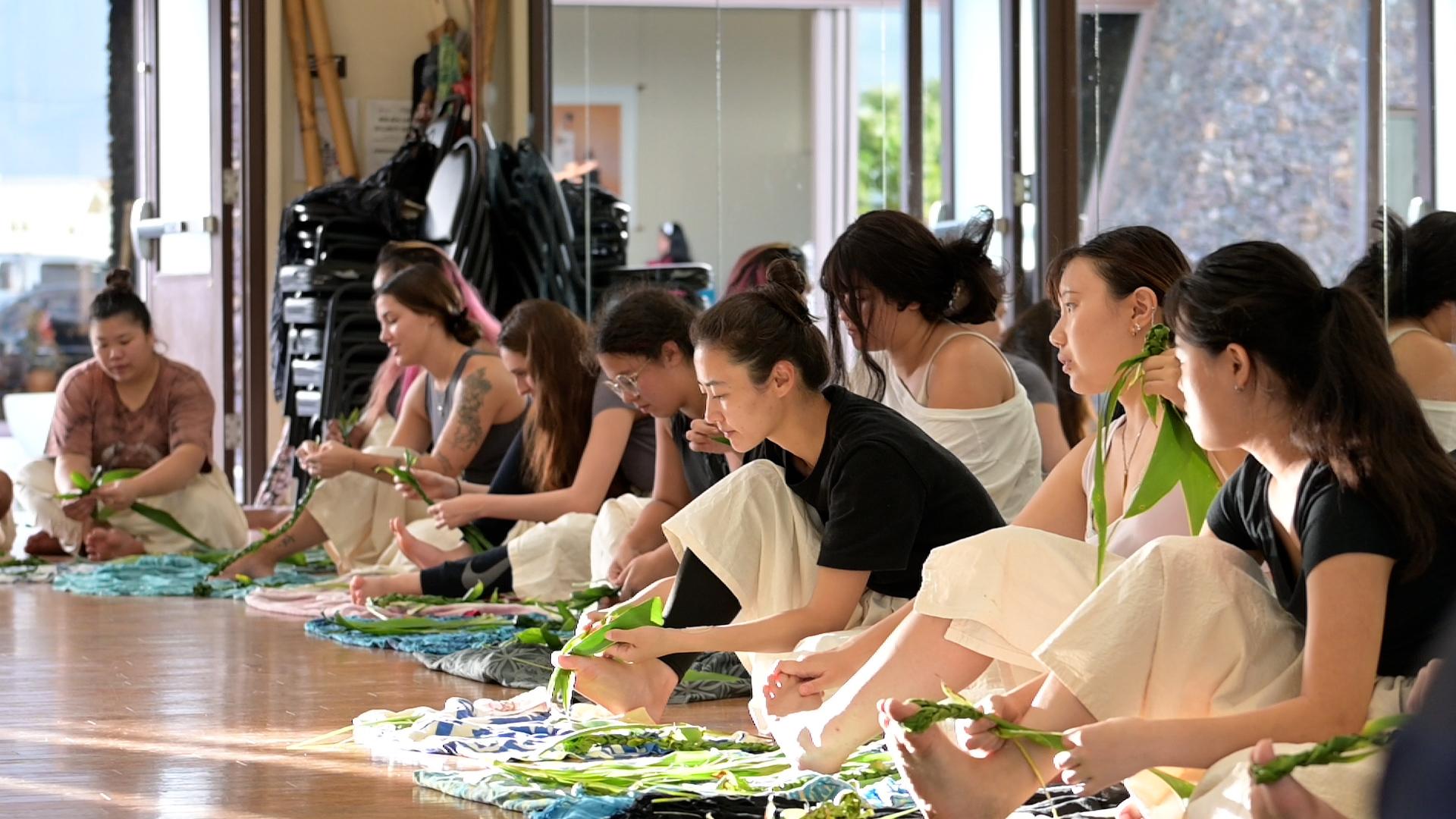
The program is rooted in the legacy of Kanakaʻole and her philosophy of “teach all who come to learn,” and that mission remains central, according to Taupōuri Tangarō, founder and advisor of the college’s hālau hula, Unukupukupu.
“Hula becomes the doorway through which learners come to know their purpose,” Tangarō said. “Students come to Hawaiʻi Community College not simply to learn hula as performance, but to experience hula as a living practice grounded in ritual.”
Sponsored Content


Subscribe to our Newsletter
Comments