



Business Monday: Students turn ideas into action through entrepreneurial program
Nourished by the waters of the Niuliʻi streams, Kohala is cultivating significant amounts of kalo, a canoe crop that remains culturally significant and has become a staple in most households in the isolated district.
But after several recent years of wildfires in North Hawaiʻi, a group of five high school students realized it was time to collaborate and create recipes that would help Kohala preserve one of its most important locally grown crops, especially in case of an emergency.
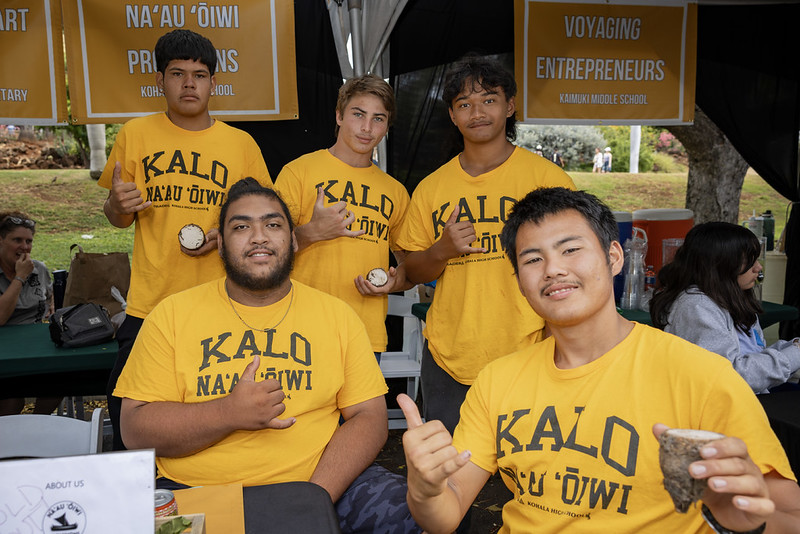
The Kohala High School students decided to pursue an idea through the Hawaiʻi Agricultural Foundation’s Young Entrepreneurs Program, a hands-on learning experience for students interested in running a real, agriculture-based business.
The program gives high school students from across the state the chance to turn their ideas into action. From developing products to building a brand that can be sold online and at farmers markets, students gain entrepreneurial skills while supporting Hawai‘i’s local food system.
“The program began in 2018 as a way for students to learn about entrepreneurship through their own experiences,” said Jennie Kaʻahui, education manager at the Hawaiʻi Agricultural Foundation. “Many students have expressed the desire to stay near their families after high school, but job opportunities are not always easy to come by, especially in more rural, agricultural areas.”
This year, students from 24 schools statewide have turned more than 50 student-created products from ideas into action.
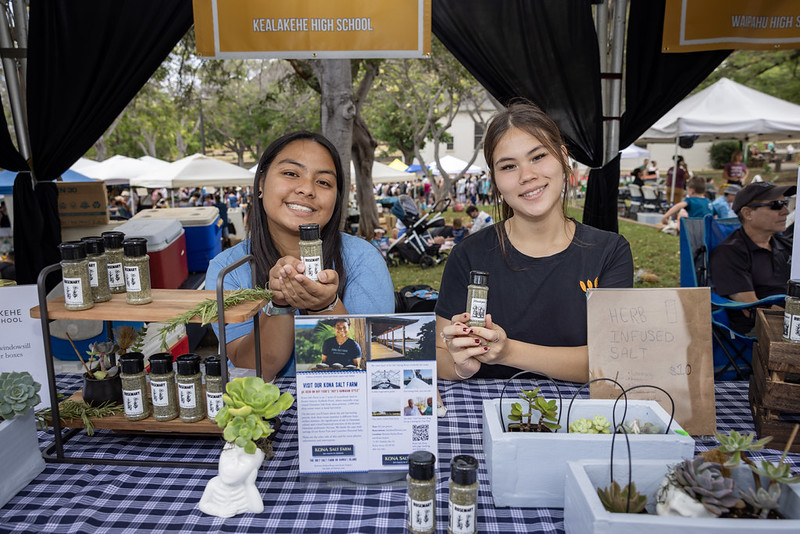
Each school year, students at participating schools are introduced to the program in the fall and choose to participate. They are tasked with developing an idea into a product sample.
“I ask the students to send me a sample of their product before proceeding to ensure it is a viable product that can reach the market by spring,” Kaʻahui said. “If it isn’t a product that would work for some reason, I give them guidance for their next idea. For many students, this is the first of several opportunities for problem-solving.”
Once the sample is approved, students create a business plan outlining every step required to prepare a product for sale. They conduct market research, design branding and packaging, get products approved by the Department of Health, receive industry feedback, and then advertise and sell the product.
The group of five Kohala High School students in the Nāʻau ʻŌiwi program, which is part of the Hawaiʻi Department of Education’s Alternative Learning Programs, created a kalo granola snack called Nāʻau ʻŌiwi Provisions through the program.
“The idea was inspired by the Lahaina fires because fires are a real threat to us in Kohala, too,” said Kohala senior Stacen Stevens. “We have canned goods, but we didn’t know of a way to have kalo to-go.”
“There’s so much kalo in Kohala that it was an easy choice to make. We just had to find the right stuff to put it all together,” said Kohala junior Tiras Perez.
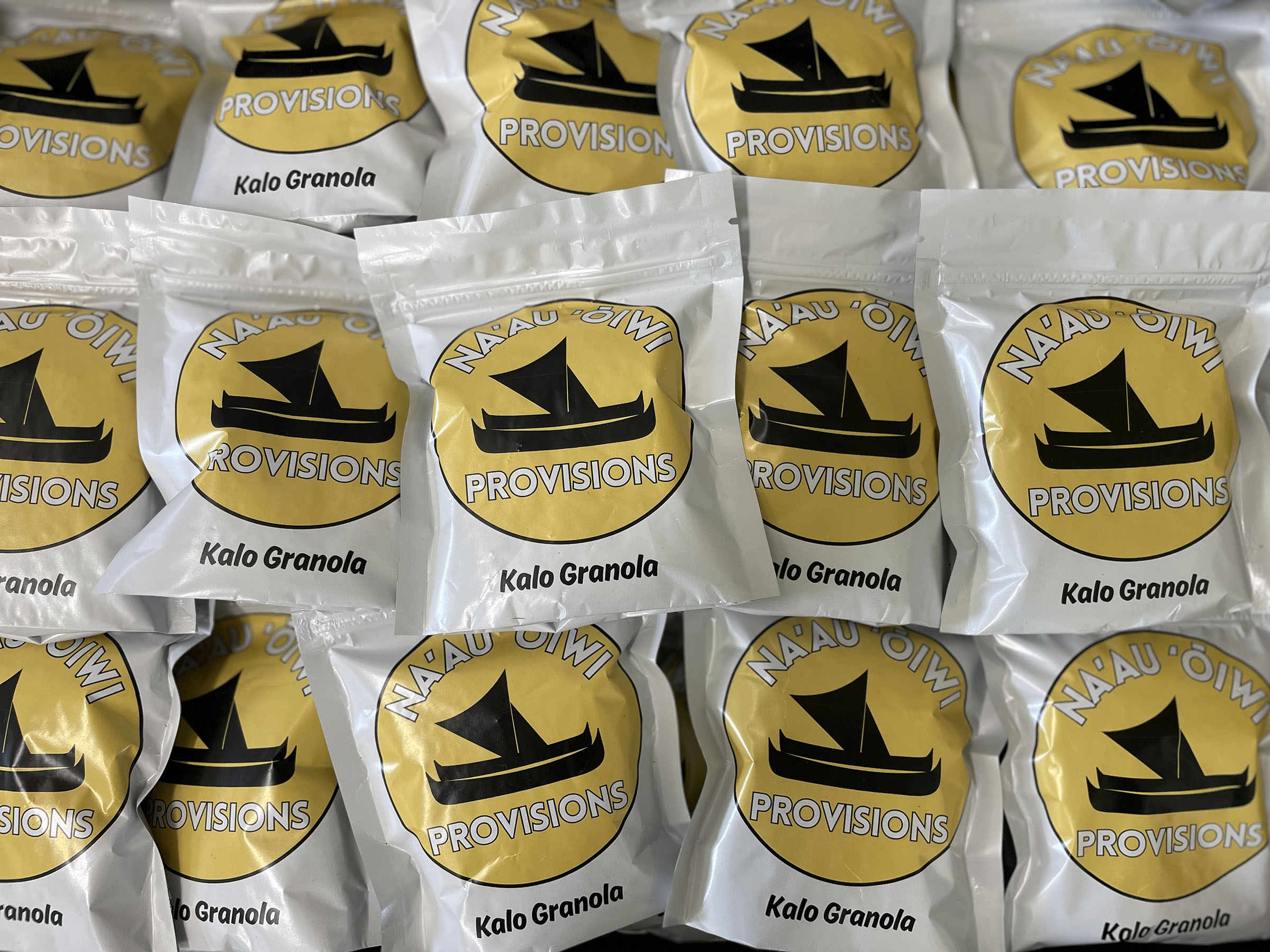
The students harvested the kalo, grown on 2.5 acres of protected land in Niuliʻi in Kohala. The kalo is then freeze-dried to extract all moisture, allowing the crop to have a longer shelf life.
The students added organic rolled oats, organic chia seeds, sugar, Hawaiian salt, and honey harvested from their own hives. They also partnered with Island Harvest in Kohala to include macadamia nuts.
“I have found that this program is perfect for alternative learning environments or for students who just don’t do well sitting at a desk and need to learn through action,” Kaʻahui said. “Entrepreneurship is not always easy to teach if students don’t have the opportunity to try it themselves.”
The Kohala High School group decided to do more marketing for Nāʻau ʻŌiwi Provisions and created a commercial to expand their reach on social media.
“Making the granola was cool, but marketing and putting it out there for people was one of my favorite parts,” Perez said. “It was easy because we all really like what we made.”
A group of returning students at Honokaʻa High School decided to sell a fan favorite from last year, Paʻalaea Farms Chili Pepper Water. While creating the product is simple, every step of the process is student-driven.
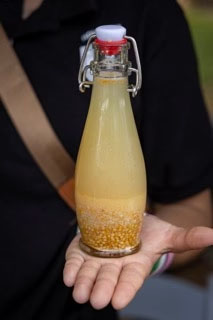
After completing a big batch of chili water, one student was transporting the full, glass bottles to her car when she accidentally dropped the box and shattered most of the product.
“When she told me this story later, she said that there were parts of her that wanted to react emotionally, but mostly felt defeated at the time,” Kaʻahui said. “She also told me that she realized there was nothing she could do, so she drove to the store to get more bottles the same day.”
“The accident may have slowed her down, but she kept moving forward instead of giving up in that moment,” Kaʻahui continued. “They learn some grit, which helps them stay motivated when they enter the world after high school.”
In addition to testing creativity and learning problem-solving skills, students are gaining an education in financial literacy and leadership. They manage revenue, costs, and profits, which are returned to their schools.
“It is truly so awesome to see students complete the program every year,” Kaʻahui said. “They take ownership of their products and you can tell they are proud when they figure everything out.”
Online sales of this year’s youth products are available online only in March, so shoppers have until 11:59 p.m. Tuesday, March 31, to purchase products from local students.
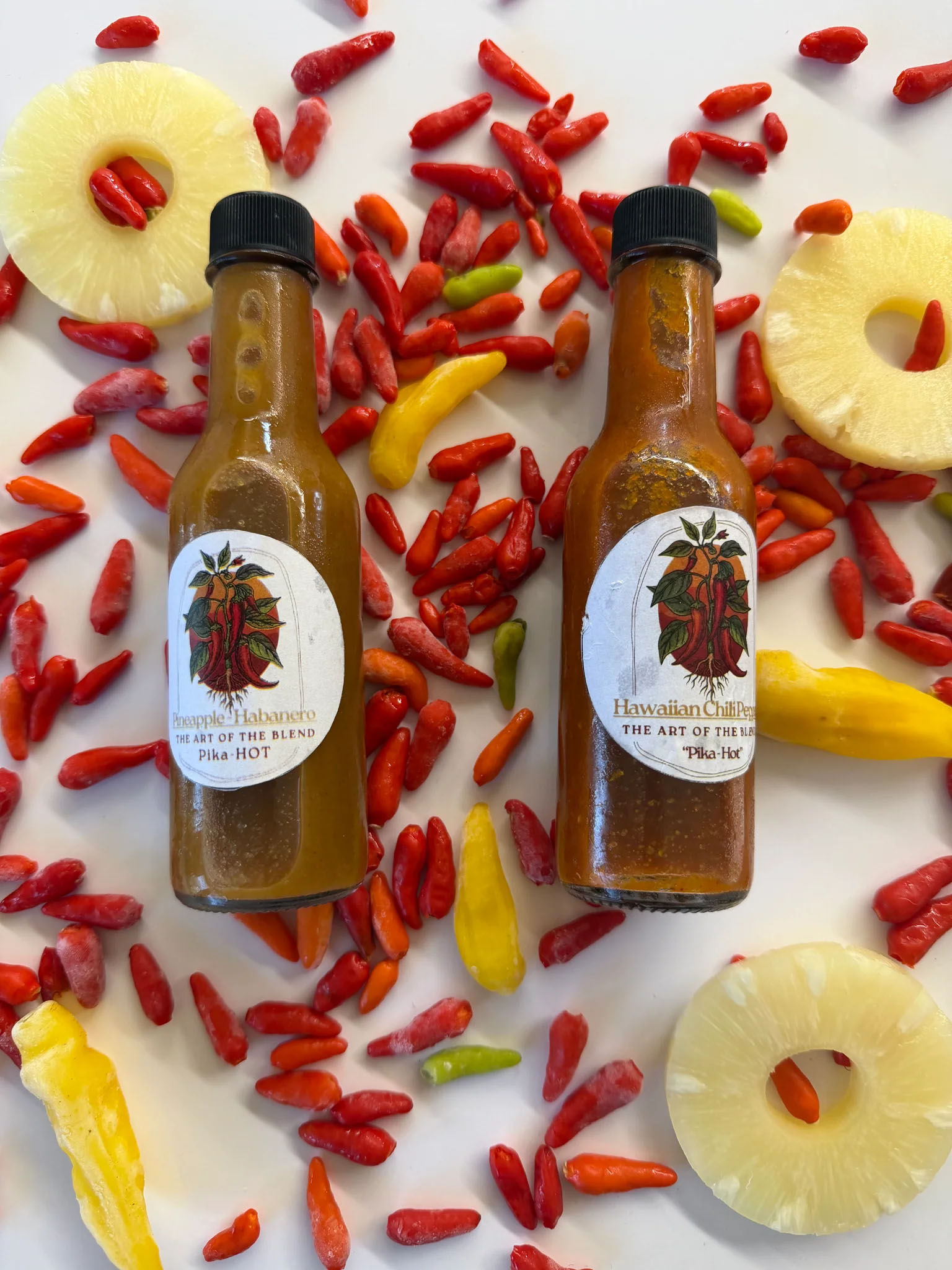
Other Big Island products include:
- Honokaʻa High: Turmeric Salt Blends
- Kaʻū High School: Hawaiian Chili Pepper Hot Sauce and Pineapple Habanero Hot Sauce
- Kealakehe High School: Three-Herb Blend Kona Sea Salt (thyme, rosemary, basil), Basil Seasoning, Rosemary Seasoning
- Kohala High School: Hawaiian Superman Kalo Protein Drink
- Pāhoa High School: Grenade Lemonade
Participants in the YEP will also sell their products in person at the Kapiʻolani Community College Farmers Market in Oʻahu from 7:30 to 11 a.m. on Saturday, April 11.
To learn more about the program or to get a new school involved, visit the Hawaiʻi Agricultural Foundation website.
Sponsored Content


Subscribe to our Newsletter
Comments