



Kohala High students shine on national, state level with Future Farmers of America
Daywakiha‘a Kawe was born and raised in Kohala, near where her family tends a lo‘i (taro) patch in Pololu Valley. She also rides horses and competes in rodeo events like barrel racing, roping and pole bending.
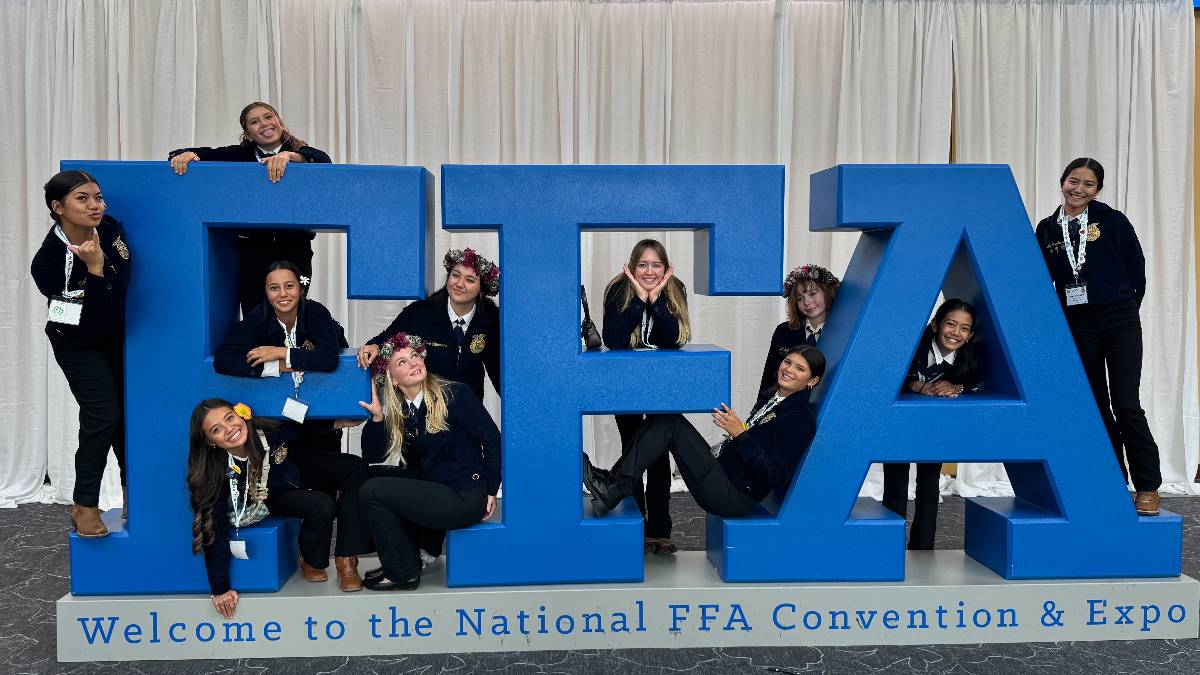
So joining the Future Farmers of America club last year when she started at Kohala High School was an obvious decision. She said the skills she is learning in the club will be important throughout her life, including processing and cooking a chicken.
“I never thought I would experience butchering a chicken in school,” Kawe said. “When you hear ‘headless chicken,’ it’s actually a headless chicken running around. It’s pretty crazy.”
Now, every time she eats chicken, Kawe thinks: “I know how to do that, if it comes down to it.”
Kawe, now a sophomore, is one of 27 current students in the school’s Future Farmers of America club, which over the past six years has been growing and being recognized on the state and national stage.
A month ago, students competed in the 2026 Hawaiʻi Future Farmers of America state event on Feb. 26 at Konawaena High School. They placed in several categories, including agricultural demonstrations focusing on chicken processing and calamansi pickling, a traditional Filipino dish where the calamansi fruit is fermented to create a savory-sour Southeast Asian condiment.
In October, they placed in the top 10 for horse evaluation at the National Future Farmers of America Convention & Expo in Indiana, where 70,000 students from across the country converged to showcase their best skills and demonstrate all things farming and agriculture.
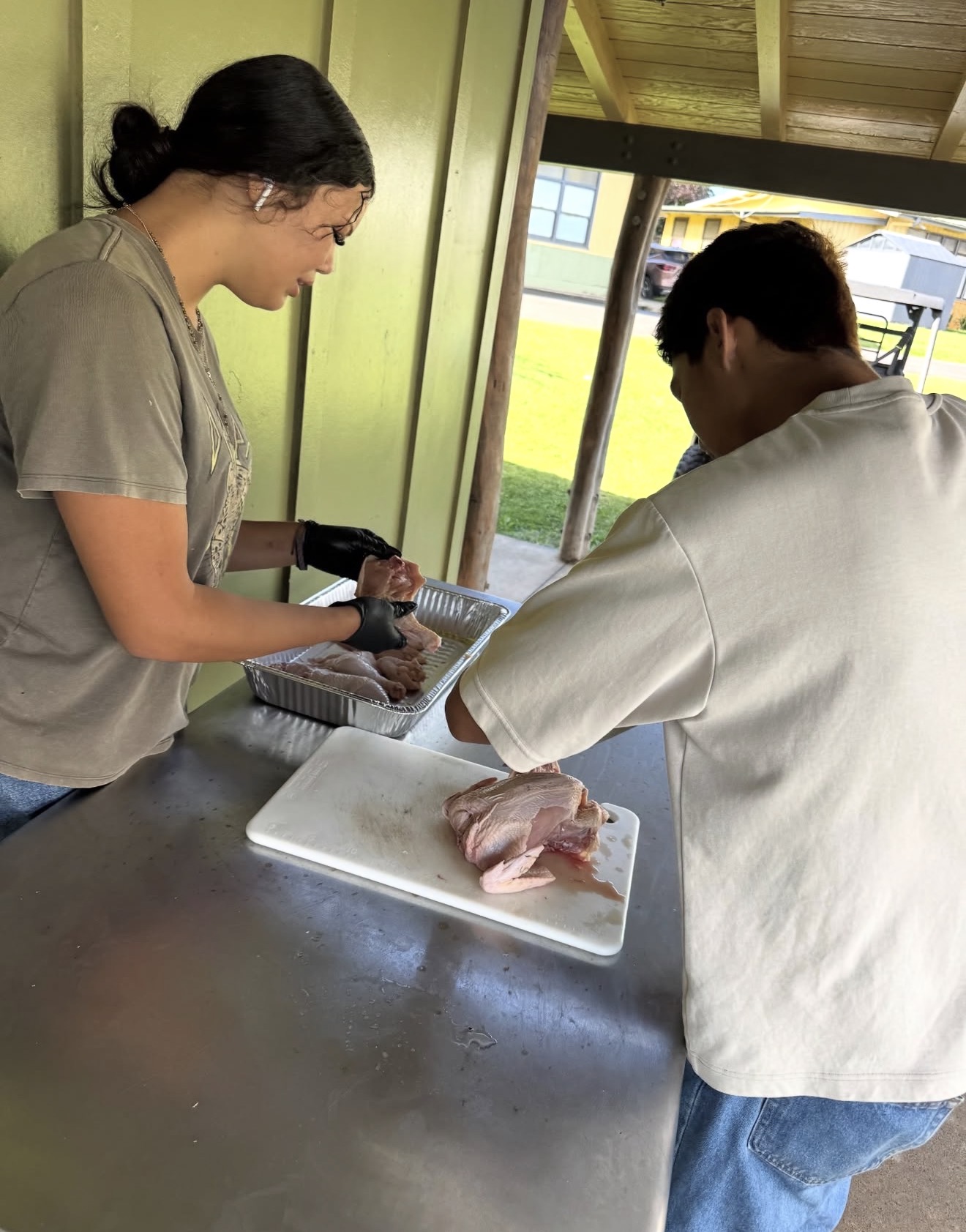
Kawe said she spent eight hours in an arena with fellow FFA club members. She evaluated eight different horses in a variety of categories, including appearance and horsemanship. They presented their findings to judges.
“It was very scary but a good learning experience,” Kawe said.
The next national expo is more than a year away, but the students already are meeting once a week to prepare for the event.
Natural resources teacher Dean Snelling, a Kohala High alumnus, leads the FFA club that is one of the largest chapters in the state.
The school didn’t have an FFA club when Snelling was a student. When he came back to teach six years ago, he was at the forefront of bringing Future Famers of America to a new generation of students.
In Hawai‘i’s public education system, Snelling said there’s been a revitalization of career and technology education, explaining that many schools select pathways that focus on ways to provide students with career opportunities.
Kohala has four: construction, natural resources, culinary and nursing.
Snelling teaches four years of natural resources, where kids focus on agriculture and get hands-on experience at a school farm. For those in the natural resources path, part of that experience is being part of the FFA club.
Snelling sees agricultural education as critical in two ways. The first is students must know where their food comes from.
“We’re from a rural community,” Snelling said. “I think even if they don’t go into agriculture, it’s important to be able to produce your own food and process your own food.”
From a bigger perspective, Snelling said it’s important that schools have these career technical education pathways because they provide a way for students to engage with businesses, have internships, work on projects, and participate in clubs like FFA.
“It’s providing them with that platform to experience real-world connections before they leave and build professional skills before they get into their career fields,” Snelling said.
The pathway programs also build little mini-families on campus.
“I see the same kids for four years, so you really get to know your students and you’re able to really serve them better because you can build a better connection with them this way,” he said.
Kawe chose the natural resources career pathway as a freshman, where she’s learned about food production through the school’s garden.
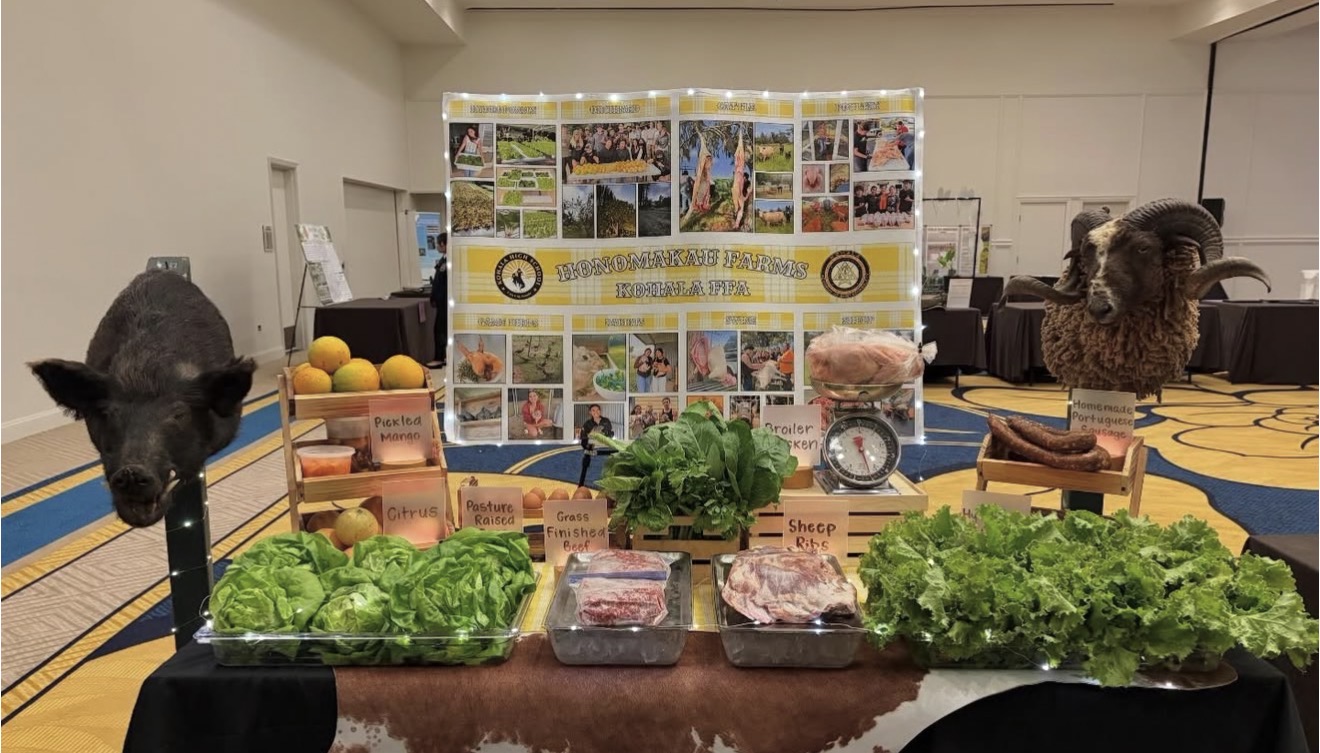
Kawe is gearing up to take a deeper dive into the meat industry and learning about all meats.
The Kohala High team also includes senior Pela Terrell.
Like many of the kids in Kohala, Terrell has lived on a farm or has family with farming ties. She recalls as a child going to the farmer’s market and selling tomatoes, lettuce, carrots, lots of root vegetables that her family grew in a garden, along with herbs as well as flowers.
“I found it really rewarding,” Terrell said.
Terrell said she started in the natural resources program, spending a lot of time in the school farm. She became more familiar with different farming practices and learned the intricacies of soil science.
Through the club, Terrell has had opportunities to partner with community members and businesses and see farming put into action and how agriculture is working on Hawai‘i Island.
“Lots of local farmers are combating the issue of importing so much of our food and trying to recenter our economy around food and agriculture,” Terrell said.
Produce shipped to Hawai‘i, Terrell explained, are mass produced through monocultures on giant plots of land with one commodity on it, which is bad for soil health.
Terrell feels like young people have been deterred from going into agriculture because it’s not seen as a highly regarded career pathway to take, and she disagrees.
“I think that there are small groups of people who are beginning to realize that agriculture is really important to our society,” the 18-year-old said. “It’s the basis for how we all get our food. So I hope that in the future we de-stigmatize going into the agricultural industry and that more young people become passionate about it.”
Sponsored Content


Subscribe to our Newsletter
Comments