



Hawai‘i Department of Health offers cleanup, safety tips following devastating flooding
The Hawai‘i Department of Health is urging residents impacted by recent flooding across the state to take precautions during cleanup and recovery efforts to protect their health and safety.
Communities across the state were hit hard this month after two Kona low systems brought rain and flooding to the islands. Cleanup and damage assessments are ongoing.
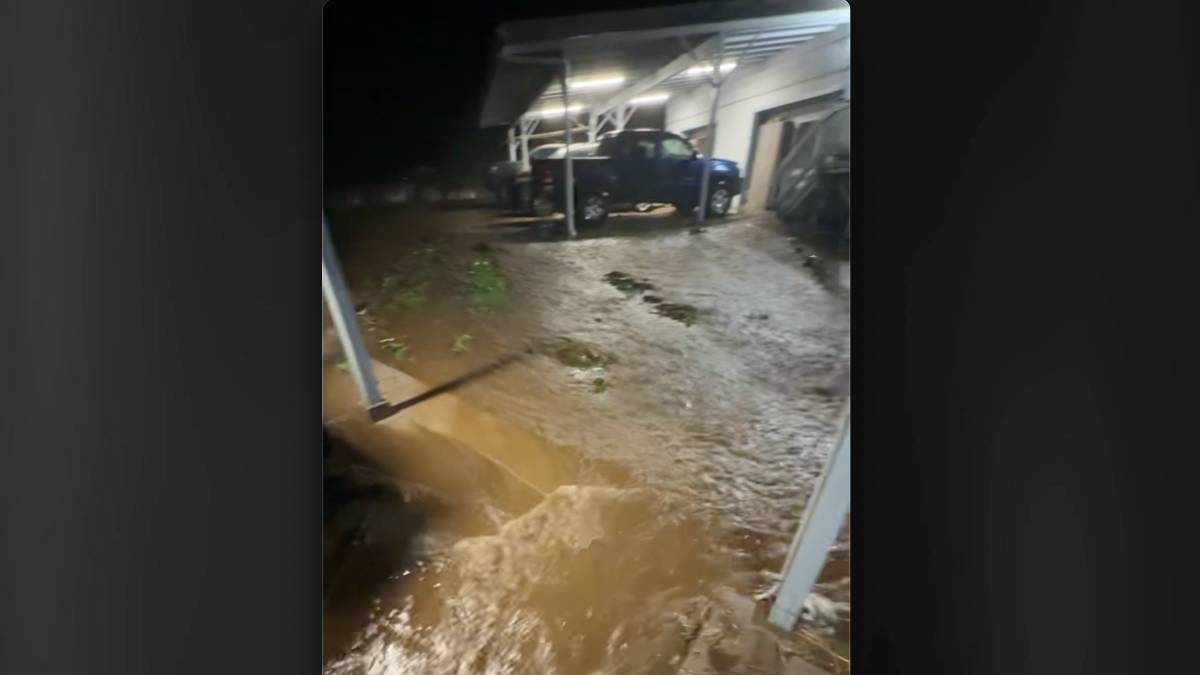
Floodwater contains hazards from debris to bacteria. The Department of Health advises avoiding entering or playing in floodwater whenever possible.
If you come into contact with floodwater:
- Wash exposed skin with soap and clean water as soon as possible.
- Use alcohol-based wipes or sanitizer if clean water is unavailable.
- Clean and cover any wounds and seek medical care if needed.
- Wash contaminated clothing in hot water with detergent before reuse.
Here are some tips on safe cleanup procedures following flooding:
- Get the mess out. Remove all floodwater, dirt and debris left behind by the floodwater as soon as possible.
- Remove mold and mildew. Moldy or mildewed building materials should be thoroughly cleaned and dried or removed and replaced. Any materials or furnishings that soaked up water and cannot be cleaned thoroughly should be removed from the building.
- Check your flooring. Carpet and padding cannot typically be cleaned well enough. Throw them away.
- Dry out walls. Walls must remain open to allow them to completely dry. Plaster, brick and concrete block walls can probably be cleaned, disinfected and completely dried.
- Salvage what you can. Personal property and furnishings that are wet for 24-48 hours after floodwater recedes, will most likely have mold growing in or on them. Clothing and linens may be salvaged by washing with detergent.
- Discard porous materials that cannot be laundered and disinfected.
- Do not re-enter flooded buildings until electricity is shut off, gas lines are secured and the structure is deemed safe.
- Avoid direct contact with contaminated materials and damp vegetation.
- Do not eat, drink, or smoke in contaminated areas; wash hands frequently.
- Do not mix cleaning products together or add bleach to other chemicals. Mixing cleaning products can create toxic vapors. Follow the directions on the label.
- Ensure your tetanus vaccinations are up to date.
For cleaning up mud, residents are advised to dry out belongings and mud in the sun as sunlight helps kill microbes. Gov. Josh Green announced that mud will be tested with partner organizations.
Tips for mold cleanup and prevention:
- Any indoor mold should be addressed promptly.
- Before cleaning, lightly spray moldy surfaces with a soapy solution to reduce airborne particles.
- Clean with soap and water, then disinfect using a bleach solution (1 cup bleach to 1 gallon of water). Open windows and doors first. Never mix bleach with other cleaning products containing ammonia. Use as directed on label.
- Allow at least 15 minutes of contact time, then rinse and dry thoroughly.
- Promote airflow to speed drying and prevent regrowth.
- Discard materials that cannot be safely cleaned:
- Carpets, mattresses, upholstery and other porous items wet for more than 24–48 hours
- Items that cannot be laundered or disinfected
- Clothing and linens may be salvaged by washing with detergent and bleach.
The state department recommends cleaning up affected areas with waterproof boots, rubber, or heavy-duty gloves, an N95 mask, sealed safety goggles and wearing long sleeves, long pants or protective overalls. Consider wearing a hard hat if necessary.
Food may not be safe after a power outage — even if it looks or smells normal. Refrigerated food lasts less than four hours without power. Frozen food lasts up to 24 hours in a half-full freezer and up to 48 hours in a full freezer (if unopened).
Food safety tips:
- Never taste food to determine if it is safe.
- Throw away perishable foods after four hours without refrigeration.
- Discard any food with unusual odor, color, or texture.
- Discard food that has come into contact with floodwater.
- Food above 40°F should be thrown out.
- Frozen food with ice crystals or at 40°F or below may be safely refrozen or cooked.
When in doubt, throw it out.
Contaminated floodwater carries diseases such as leptospirosis and rat lungworm disease. Avoid contact with floodwater, mud and damp materials. Cover cuts and wear protective clothing. Keep contaminated water out of catchment systems.
Leptospirosis is caused by bacteria found in water contaminated with animal urine (especially rats), and enters the body through cuts or mucous membranes. Early symptoms include fever, chills, and muscle aches. Seek medical care promptly if symptoms develop. Early treatment is critical.
Rat lungworm disease also increases with heavy rain.
Residents are also advised to wash all produce thoroughly, even if labeled “pre-washed.” Inspect leafy greens for slugs or snails. Wash hands after gardening or handling produce. Control pests by removing food sources, securing trash and eliminating standing water.
Seek medical attention if symptoms such as severe headaches, stiff neck, or neurological issues develop.
Standing water after flooding can increase mosquito populations. Mosquitoes in Hawai‘i can carry diseases such as dengue, chikungunya and Zika. While these diseases are not currently present in Hawaiʻi, controlling mosquitoes is the best way to prevent them from occurring.
Here are some tips below:
- Drain standing water from containers, tarps, gutters and catchment systems.
- Cover water storage containers.
- Use EPA-approved insect repellent and wear protective clothing.
- Repair window and door screens.
Seek medical attention if you experience:
- Signs of wound infection (redness, swelling, drainage, fever)
- Persistent cough, wheezing, or breathing difficulty
- Vomiting, diarrhea, or stomach pain after exposure
- Fever, headache, rash, or joint pain after mosquito bites or floodwater exposure
A tetanus booster may be recommended for contaminated wounds.
For more information, visit the Hawai‘i Department of Health website.
Sponsored Content


Subscribe to our Newsletter
Comments