

State Land Board advances plan to re-open Hawaiʻi waters to aquarium pet industry
Hawai‘i Board of Land and Natural Resources last week voted to advance the pet industry’s plans to re-open the state’s waters to commercial-scale extraction and export of native reef wildlife as aquarium pets.
New regulations — if finalized — will allow hundreds of thousands of reef fish to be taken during the next 5 years from West Hawaiʻi’s already stressed coral reefs.
Commercial aquarium collection has been banned statewide since 2017.
The board’s vote Oct. 24 kicked off a public hearing schedule, during which there will be two opportunities for the public to comment on the proposed regulations before they are finalized:
- An in-person public hearing in West Hawai‘i (the industry’s main target area) on the Big Island.
- A virtual statewide hearing.
Hawai‘i Department of Land and Natural Resources will conduct the public hearings. It also will have an opportunity to revise the proposed rules based on public testimony.
The decision to move forward with rules to permit commercial collection comes despite a 2023 board vote to prohibit commercial collection based on a community-driven proposal for a complete ban.
Questions about the board’s authority to enact an outright ban, however, prompted the state Land Department to side against the community’s proposal and instead propose allowing collection to resume.
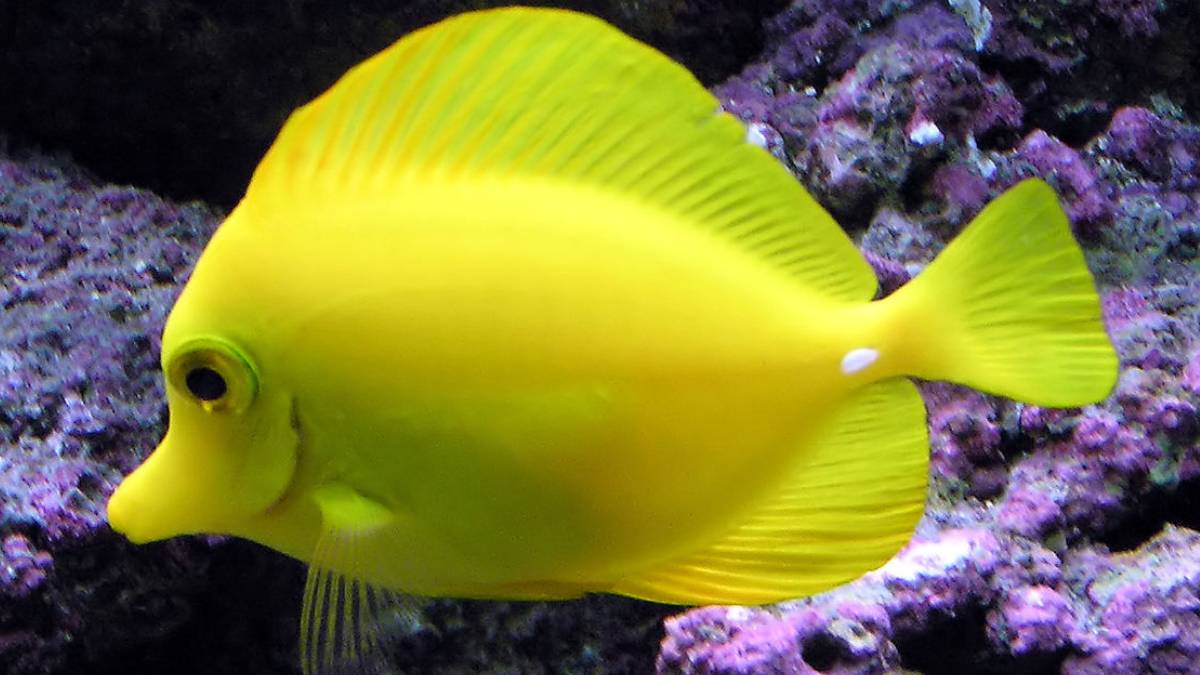
Before approving state Land Department rules for a public hearing Friday, the state Land Board amended the proposed rules to remove food fish species and reduce the annual quota for yellow tang from 200,000 to 100,000 fish.
“The board’s decision is disappointing, given the overwhelming weight of public testimony urging the board to fundamentally rethink these rules before sending them out to the public,” said West Hawai‘i resident Mike Nakachi, who has advocated for decades to protect Hawai‘i’s reefs from the aquarium pet industry, in a press release following last week’s decision.
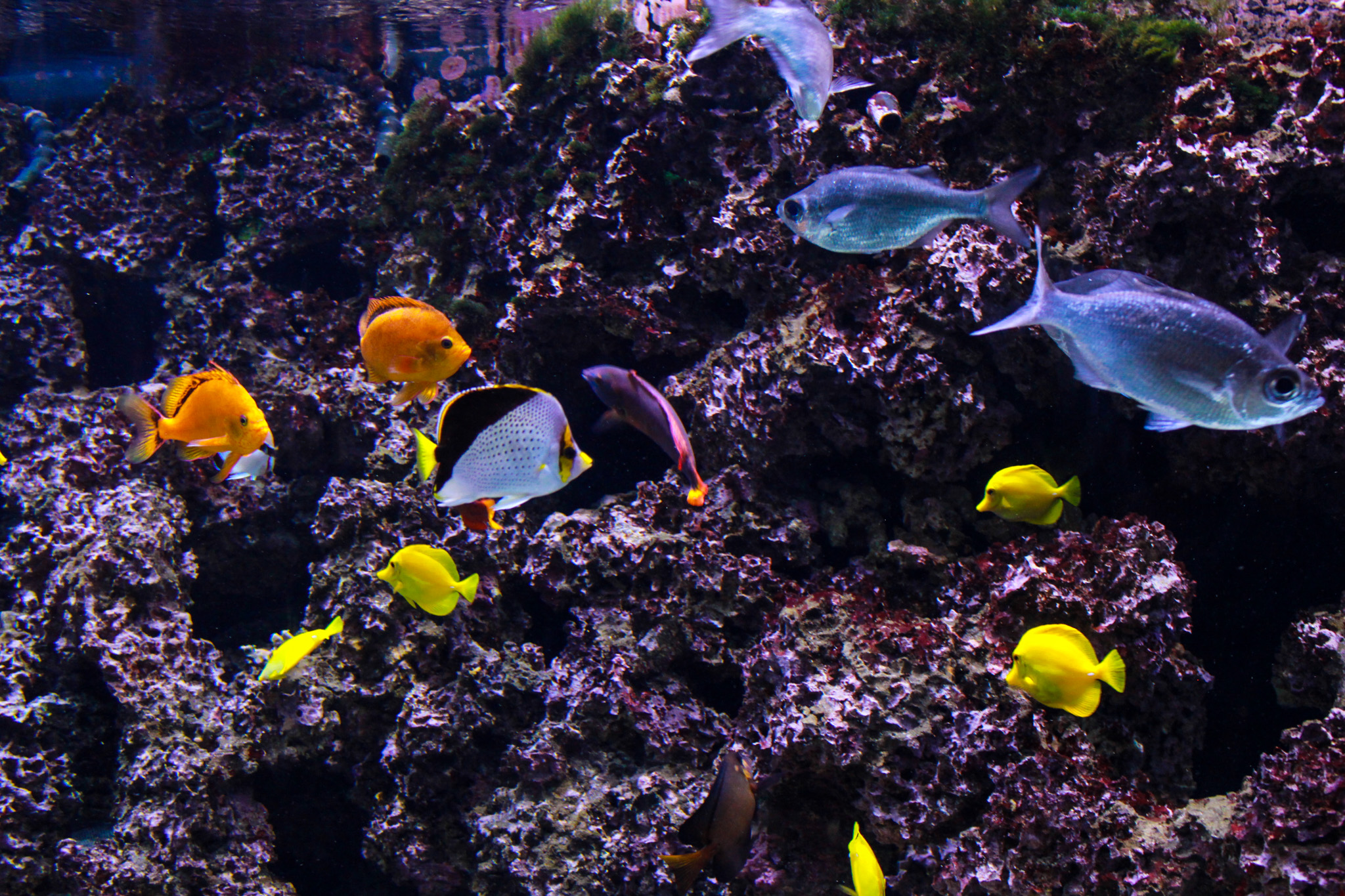
Robust populations of reef fish are crucial for supporting delicate ecosystems already weakened from ocean heat waves, pollution and decades of commercial extraction.
Species and reefs targeted by the industry have not recovered either, even while commercial collection has been shut down for 8 years statewide.
“Despite the board’s suggested reductions in allowable catch, [Department of Land and Natural Resources’] rules still run directly contrary to public opinion and the board’s prior decision to accept a community-led ban proposal,” said Earthjustice’s Mid-Pacific office attorney Mahesh Cleveland in the press release.
Commercial collectors target juvenile native fish species — including species local communities rely on for sustenance, trapping schools and individual fish — using fine-meshed nets.
The fish are then bagged, shipped via air freight and sold to pet stores around the world.
Evidence suggests most fish captured for home aquariums die within the first year of captivity. Left in the wild, these species would live much longer.
In some cases, such as the yellow tang, they live for more than 40 years if left alone.
The state Land Department has not announced specific dates for the required public hearings, but said they will take place between January and March 2026.
“We need the public to show up in force at these rulemaking hearings to remind [Department of Land and Natural Resources] what an unpopular policy they’re standing behind and to push for better protections of our reefs and their inhabitants,” Cleveland said.
A recent poll conducted by Honolulu-based Anthology Research shows 84% of Oʻahu and Hawaiʻi Island residents support permanently banning the commercial capture of reef fish for the aquarium pet trade.
“We will be ready as a community to show up and testify in strong opposition to these rules; [Department of Land and Natural Resources] better make sure they have a big room and plenty time for these public hearings,” Nakachi said.