



Tax-free tips benefit workers in specific occupations
No tax on tips could become a reality; although, guidance released Sept. 26 limits the number of tipped workers who will claim the benefit.
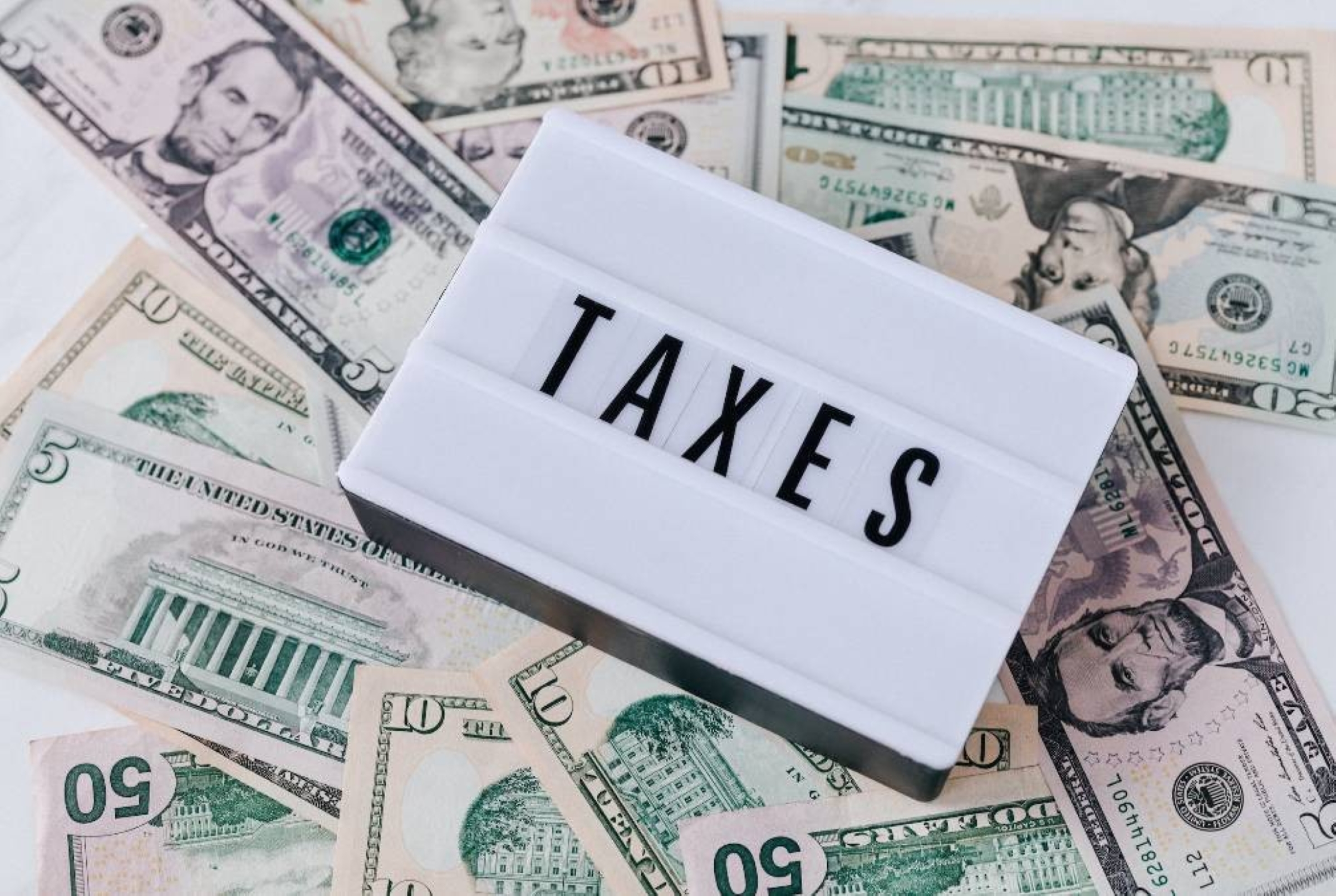
Hawaiʻi Restaurant Association reports the U.S. Treasury Department is moving ahead with President Donald Trump’s “no tax on tips” pledge, but new guidance narrows who will benefit.
Proposed regulations detail which jobs qualify for the deduction and what counts as a “tip.”
To qualify, tips must be earned in an occupation on Treasury’s list of qualified occupations and must be voluntarily given, so mandatory tips or auto-gratuities would not qualify.
Tip pools and similar arrangements qualify as long as they are voluntary and reported to the Internal Revenue Service. The benefit is not available to married people who file their taxes separately.
Among tipped jobs exempted from tax include:
- Sommeliers.
- Cocktail waiters.
- Gardeners.
- Electricians.
- House cleaners.
- Massage therapists.
- DJs.
- Clowns.
- Podcasters.
- Influencers.
- Online video creators.
The “no tax on tips” provision in Republicans’ massive tax and spending law, signed by Trump in July, eliminates federal income taxes on tips for people in positions that have traditionally received them.
It allows certain workers to deduct up to $25,000 in “qualified tips” per year from 2025 through 2028. The deduction phases out for taxpayers with a modified adjusted gross income of more than $150,000.
The tip must be given in cash, check, debit card, gift card or any item exchangeable for a fixed amount of cash, unlike digital assets. Additionally, the Treasury Department says any amount received for illegal activity, prostitution services or pornographic activity does not qualify as a tip.
Yale Budget Lab estimates there were roughly 4 million workers working in tipped occupations in 2023, which amounts to about 2.5% of all jobs.
The “no tax on tips” provision will be implemented retroactively to Jan. 1, 2025.
Congressional budget analysts project the “no tax on tips” provision would increase the deficit by $40 billion through 2028. The nonpartisan Joint Committee on Taxation estimated in June that the tips deduction will cost $32 billion throughout a 10-year period.
Sponsored Content


Subscribe to our Newsletter
Comments