



Stop the Ant Month aimed at halting spread of invasive little fire ants, other harmful pest ants
October is Stop the Ant Month in Hawaiʻi and a multi-agency effort encourages residents to collect and submit ants from their properties to help detect and control the spread of invasive little fire ants and other harmful pest ants that might be new to the state.
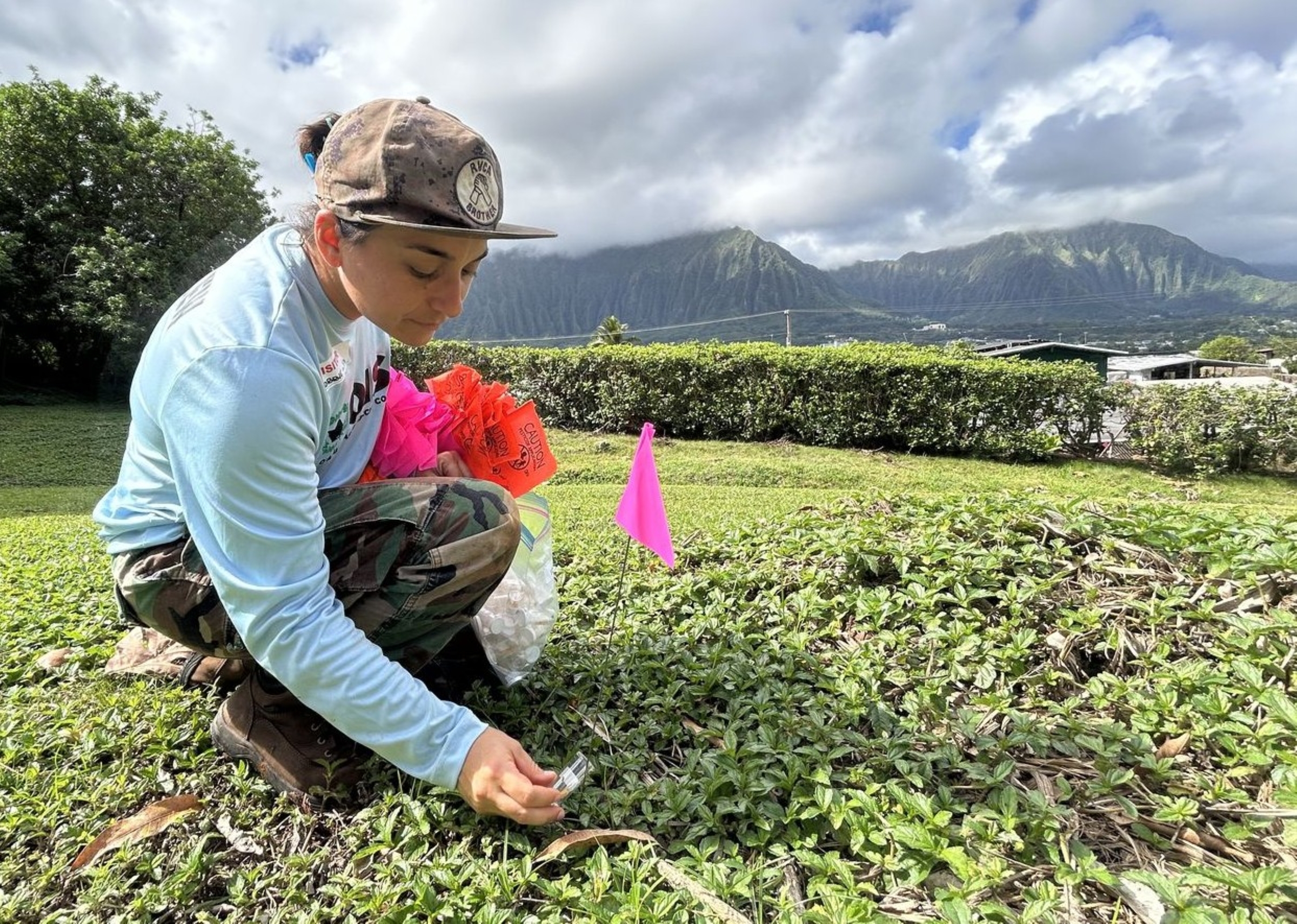
The campaign is supported by Hawaiʻi Invasive Species Council — administered by Hawaiʻi Department of Land and Natural Resources — in cooperation with Hawaiʻi Department of Agriculture and Biosecurity as well as University of Hawaiʻi programs including Hawaiʻi Ant Lab, Coordinating Group on Alien Pest Species and invasive species committees throughout the state.
“There are no native ants in Hawaiʻi, and invasive ants like little fire ants can have major adverse impacts on ecosystems, agriculture and human and animal health,” said state Land Department Chairwoman Dawn Chang, who also co-chairs the interagency Hawaiʻi Invasive Species Council, in an announcement about Stop the Ant Month. “We need to aggressively detect and treat fire ant colonies; we rely on residents across Hawaiʻi to be our partners in reporting fire ant populations.”
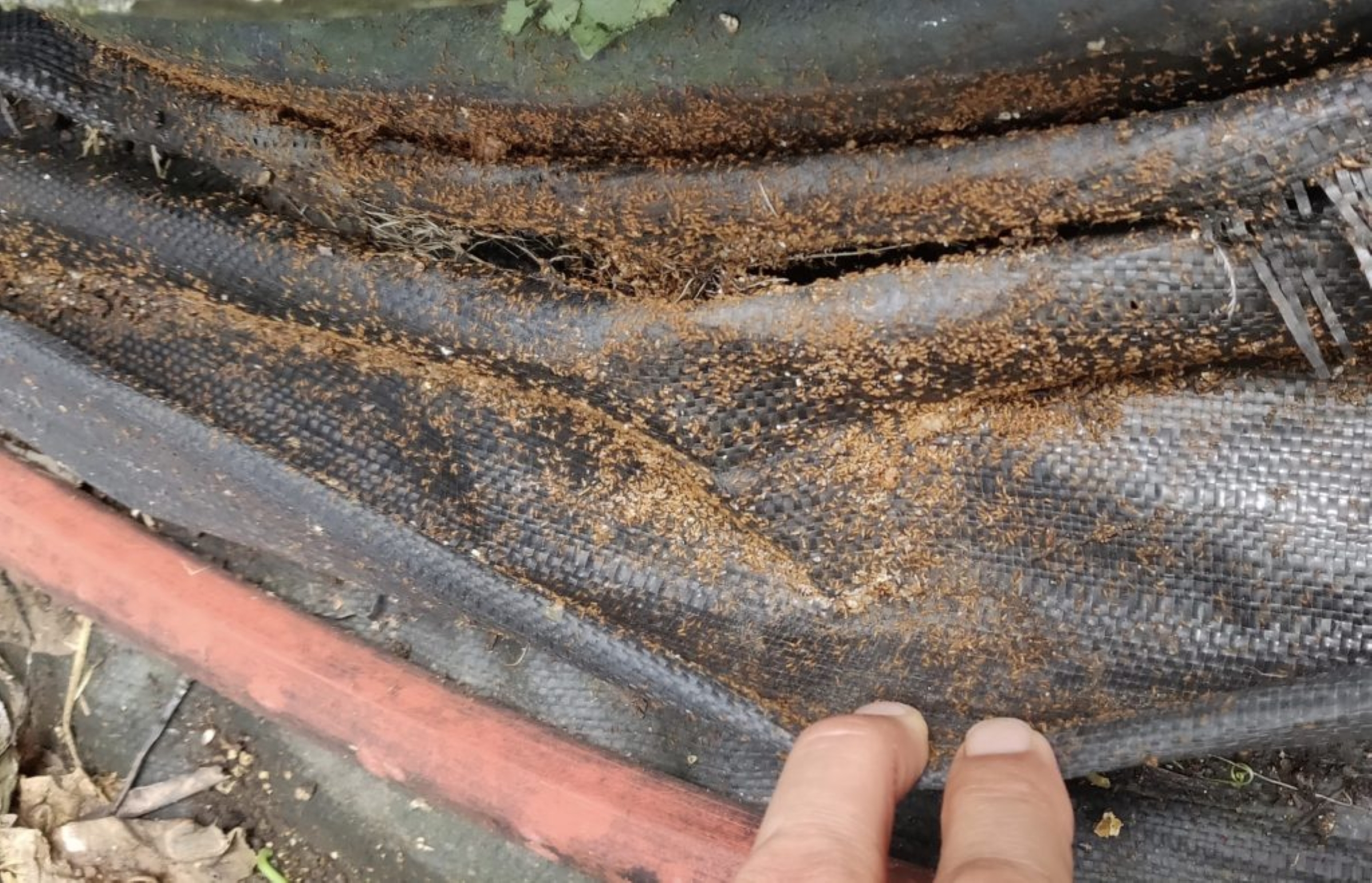
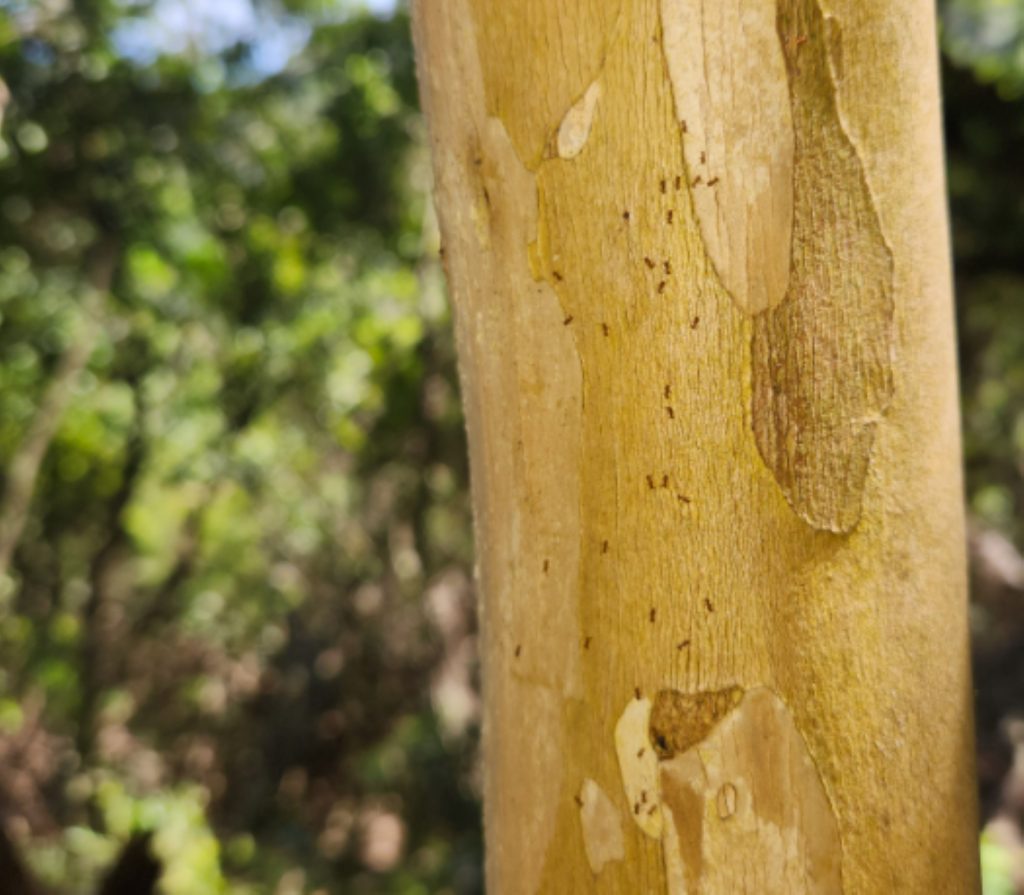
Little fire ants are among the world’s worst invasive species because they can form supercolonies of millions of stinging residents.
Their stings are painful and can cause itchy red welts that last for weeks. Stings to your pet’s eyes can even result in blindness.
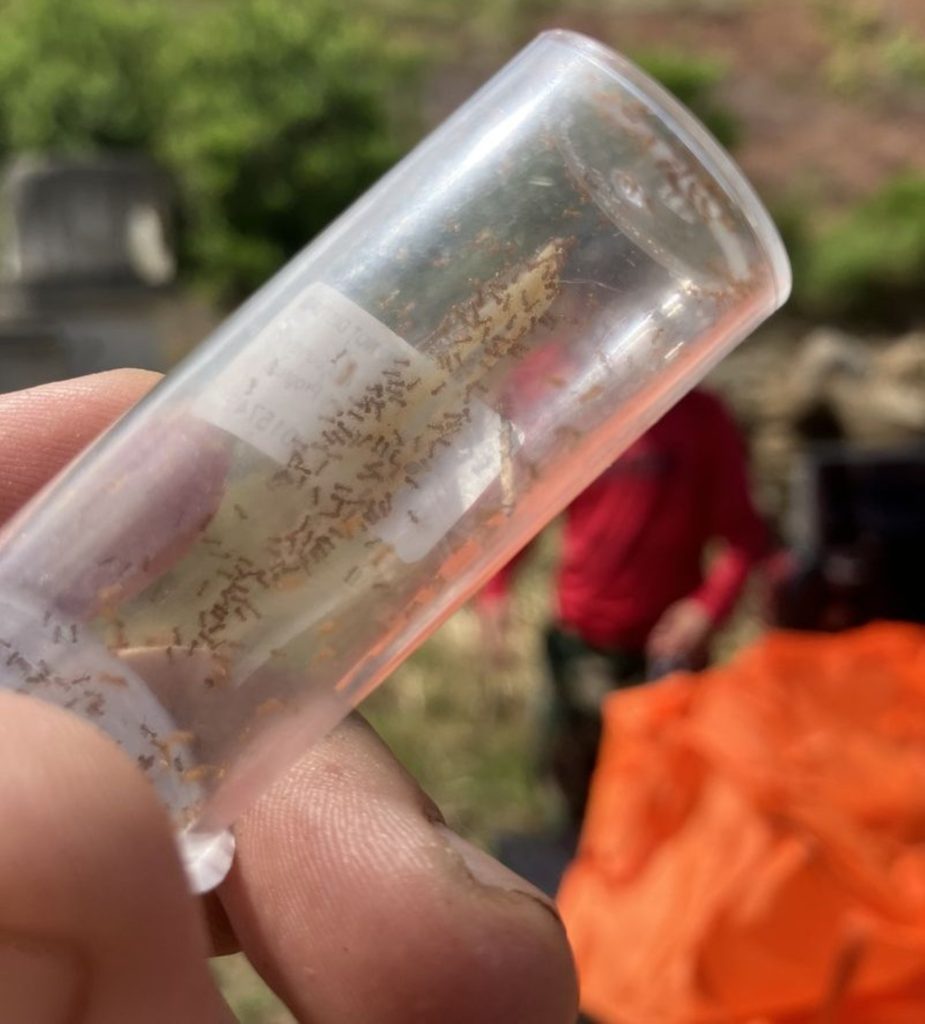
Unlike the tropical fire ant, a ground-nesting ant that has been present since the 1800s, little fire ants are tiny. They measure 1/16 of an inch long, are orange in color and can fall from trees or vegetation.
There are multiple little fire ant infestation sites on Kauaʻi, Maui and Oʻahu. Multi-agency response teams on these islands organize surveys to find each infestation and, with permission from residents, conduct treatments to try to eliminate colonies.
Infestations found early enough can be eradicated, and tools are available to suppress little fire ants even when local eradication is no longer possible.
Although the invasive stinging ants are also widespread on Hawai‘i Island, there are no current detections on Lānaʻi or Molokaʻi.
Controlling infestations prevents millions of dollars in impacts and perpetual costs for communities.
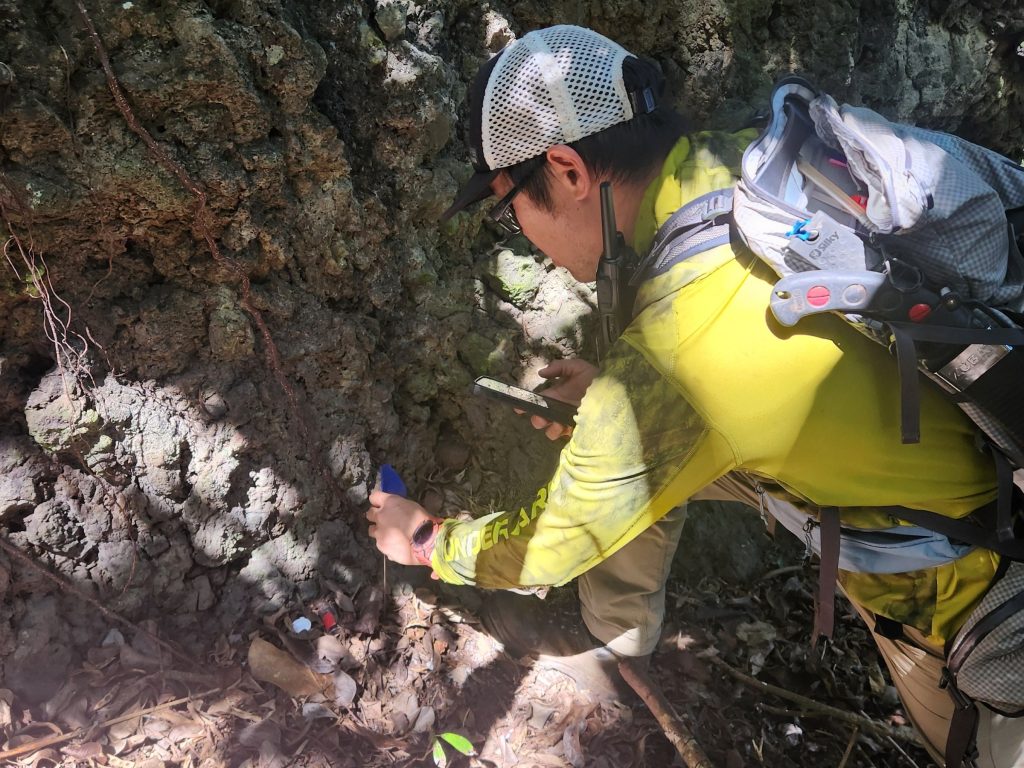
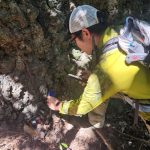
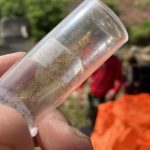
Anyone can request a free ant-collection kit at the Stop the Ant website. You can also make your own using household supplies.
A 1-minute video titled “How to Collect a Sample” is also available at the Stop the Ant website, showing the step-by-step procedure for collecting ants from your property and submitting them for identification.
Samples can be mailed or dropped off for identification at any of these locations:
Hawai‘i Island
- Big Island Invasive Species Committee: 23 E. Kāwili St., Hilo; call 808-933-3346.
- Hawai‘i Ant Lab in Hilo: 875 Komohana St., #213, Hilo; call 808-315-5656.
- Hawai‘i Ant Lab in Kona: Care of University of Hawai‘i College of Tropical Agriculture and Human Resilience Extension Office, 79-7381 Old Māmalahoa Highway, Kealakekua; call 808-209-9014.
Kauaʻi
- Kauaʻi Invasive Species Committee: 7370K Kuamoʻo Road, Kapaʻa; call 808-821-1490.
Elsewhere in Hawaiʻi
- Oʻahu Invasive Species Committee: 743 Ulukahiki St., Kailua; call 808-266-7994.
- Maui Invasive Species Committee (also accepting samples from Lānaʻi): PO Box 983, Makawao; call 808-573-6472.
- Moloka‘i Invasive Species Committee: P.O. Box 220, Kualapuʻu; call 808-553-4236.
The Stop the Ant campaign also aims to find other, new invasive ant species that could impact the islands, such as red imported fire ants, which are responsible for billions of dollars in agricultural and infrastructure losses as well as medical costs globally.
 Photo Courtesy: Hawaiʻi Department of Land and Natural Resources
- Photo Courtesy: Hawaiʻi Department of Land and Natural Resources
- Photo Courtesy: Hawaiʻi Department of Land and Natural Resources
Detecting and responding to new harmful ant species to minimize widespread long-term costs is a priority for the state. With Hawai‘i’s reliance on imports from around the world and ants’ ability to hitchhike on shipped materials, the risk is high.
The state, with help from community members, must remain vigilant to stop the spread.
Visit the Stop the Ant website for additional information.
Sponsored Content


Subscribe to our Newsletter
Comments