



Hawai’i Island police post clarification regarding social media video of raid in Puna
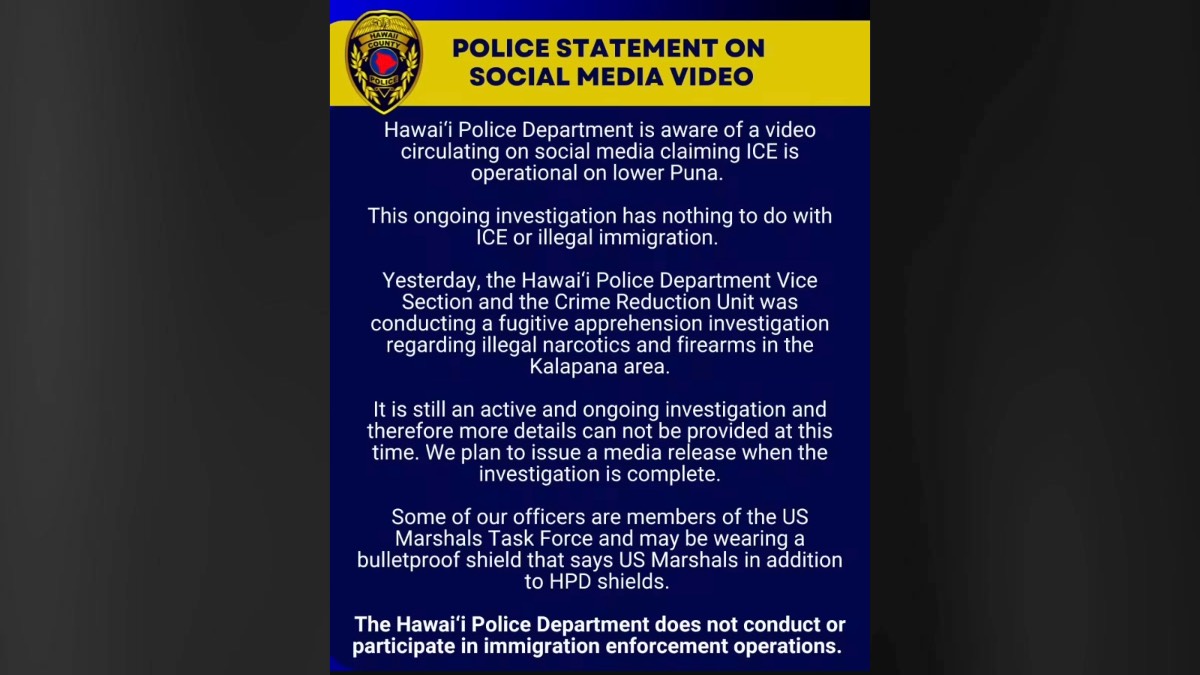
The Hawai‘i Police Department said claims circulating on social media that federal immigration enforcement agents are operating with their own officers in lower Puna are not true.
“This ongoing investigation has nothing to do with ICE or illegal immigration,” the department said in a statement issued Saturday via social media.
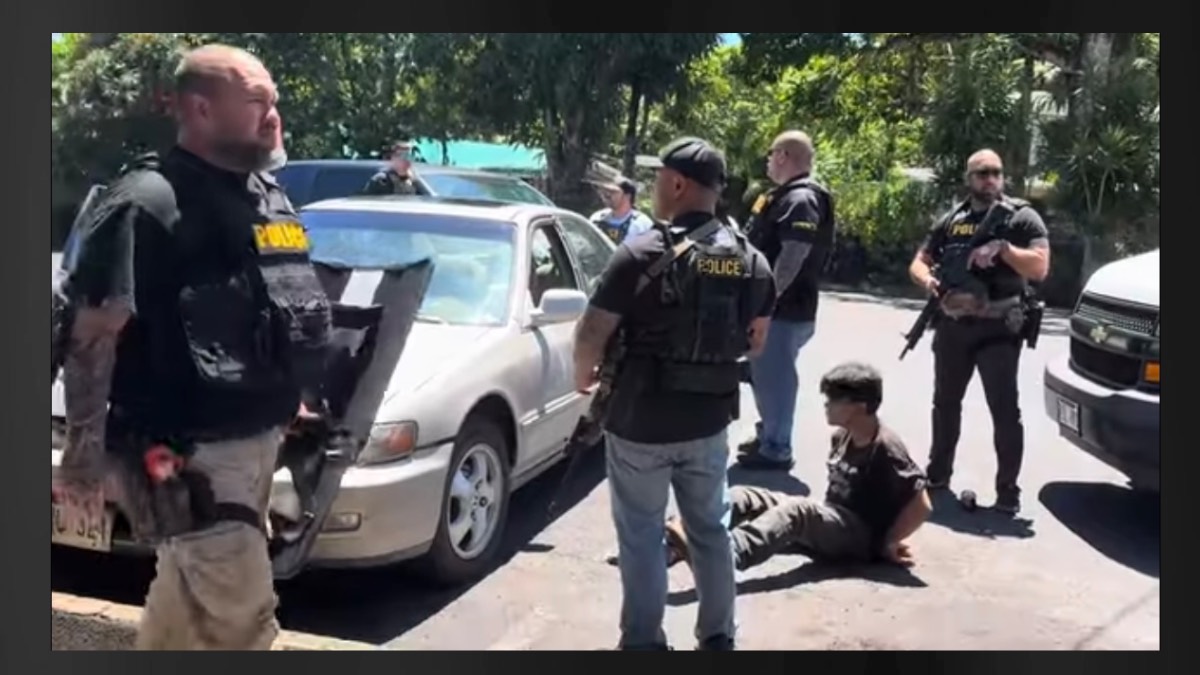
The statement was in response to a video posted on Instagram that showed a warrant being executed at the Kalapana General Store by U.S. Marshals and local police officers.
The Hawaiʻi Police Department Vice Section and the Crime Reduction Unit were “conducting a fugitive apprehension investigation regarding illegal narcotics and firearms in the Kalapana area,” the statement said.
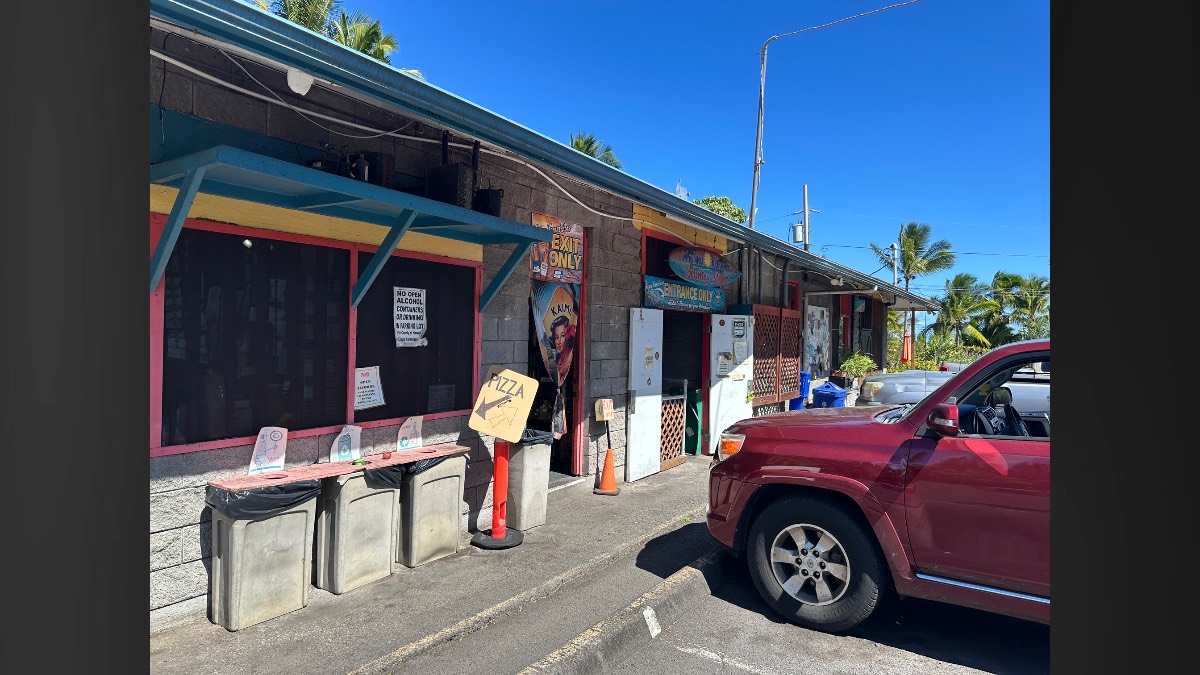
The incident on the video occurred on Friday at about 1:30 p.m. at the Kalapana General Store.
Lephos Zero, owner of the store, said the United States Marshals Service abruptly “came in hot and out of control, pointing guns at people.”
“It sounded like we were getting robbed,” he said.
In the video, a heavy-set U.S. Marshal can be seen with a shield, and his weapon pointed at the ground.
“We don’t feel safe,” an employee can be heard saying in the video, while several other officers combed the store.
Outside the general store, there were three unmarked cars with more than a dozen officers from the Hawai’i Police Department’s Vice Section and the Crime Reduction Unit, along with the U.S. Marshals. A suspect was apprehended and sitting on the ground with his hands cuffed behind his back.
The Hawaiʻi Police Department said the investigation was part of its broader effort to address narcotics trafficking and violent crime on the island and emphasied that the “department does not conduct or participate in immigration enforcement operations.”
However, confusion spread online after viewers observed some officers carrying shields marked “U.S. Marshals.”
Police explained that several of their officers are also assigned to the U.S. Marshals Task Force and may use federal bulletproof gear in addition to Hawai’i Police Department-issued equipment.
The clarification comes amid heightened community concern about immigration enforcement and federal operations in Hawai‘i.
Officials emphasized that the current effort is narrowly focused on drugs and firearms and the department plans to issue a media release when the current investigation is completed.
In July, the ACLU of Hawai‘i requested all county police departments’ records with any agreements with the Department of Homeland Security — including Homeland Security Investigations and Immigration and Customs Enforcement — in connection with immigration enforcement in the state, following the U.S. Congress passing the One Big Beautiful Bill Act.
ACLU of Hawai‘i Legal Director Wookie Kim said it is the duty of local governments to protect their residents, not act as an arm of federal immigration enforcement.
“At a time when immigration arrests are spiking in Hawaiʻi, we’re demanding clarity on whether our police departments are helping carry out raids that instill fear in immigrant communities and whether they are doing so in ways that flout legal safeguards,” Kim said in a release from the nonprofit.
Regardless of the type of investigation, Zero said: “Police need to be more respectful.”
“They had the guy secured,” he said. “We understand they have a job to do, but we were scared. I thought I was going to get shot.”
He adds that although he didn’t get a chance to see a warrant, he would like the department to present the warrant that the officers stated they had.
“They claimed to have a warrant, but we never saw one, and I know that there wasn’t a warrant for the store,” Zero said.
He’s also not sure where the ICE rumors originated from: “Some dumb viewers online assumed it was ICE, but it wasn’t.”
But he said the “tactics were unnecessary,” and should be more cautious to not “just try to throw around their authority,” if their goal is to keep the community safe.
“They shouldn’t be afraid to be recorded either,” he said. “They do not have the right to tell me I can’t record them on my own property.”
Sponsored Content


Subscribe to our Newsletter
Comments