


Hawaiʻi Sea Grant TV episode about Papahānaumokuākea marine debris project wins regional Emmy
The winning episode takes viewers to the remote Northwestern Hawaiian Islands, where crews tackle massive amounts of plastic pollution.
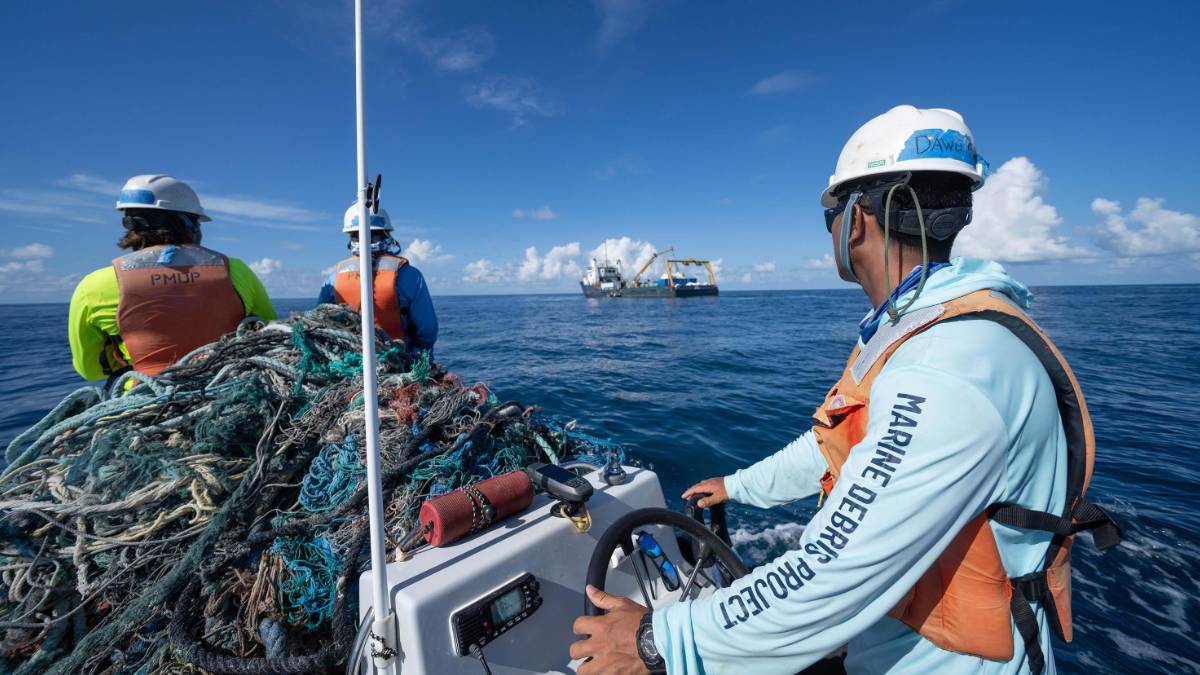
Most people will never visit Papahānaumokuākea Marine National Monument. But one episode of the University of Hawaiʻi’s “Voice of the Sea” TV series takes viewers to the remote Northwestern Hawaiian Islands, where crews tackle massive amounts of plastic pollution.
The episode, “Papahānaumokuākea Marine Debris Project,” won a regional Emmy in the category Environment/Science – News / Long Form Content.
“Voice of the Sea” is produced by the university’s Sea Grant College Program. The winning episode follows people caring for a place sacred to Hawaiian communities. Through photography and video, viewers encounter its wildlife, learn about its cultural importance and see the demanding work of removing plastic from its waters and islands.

“At its heart, it is a story about mālama ʻāina — people in Hawaiʻi caring for the places that sustain us,” host and producer Kanesa Duncan Seraphin said in a press release.
Duncan Seraphin, producer Thor Seraphin and project photojournalist Andrew Sullivan-Haskins recently received their Emmy statuettes. The award came from the San Francisco/Northern California chapter of the National Academy of Television Arts and Sciences, which includes Hawaiʻi and Guam.
“It’s a privilege to document the extraordinary wildlife, cultural significance and conservation work of Papahānaumokuākea, and help share a place that few people will ever experience firsthand,” Sullivan-Haskins said.
Papahānaumokuākea Marine National Monument is the largest contiguous fully protected conservation area under the U.S. flag, and one of the largest marine conservation areas in the world. It encompasses 582,578 square miles of the Pacific Ocean, an area larger than all the country’s national parks combined, according to the government website.
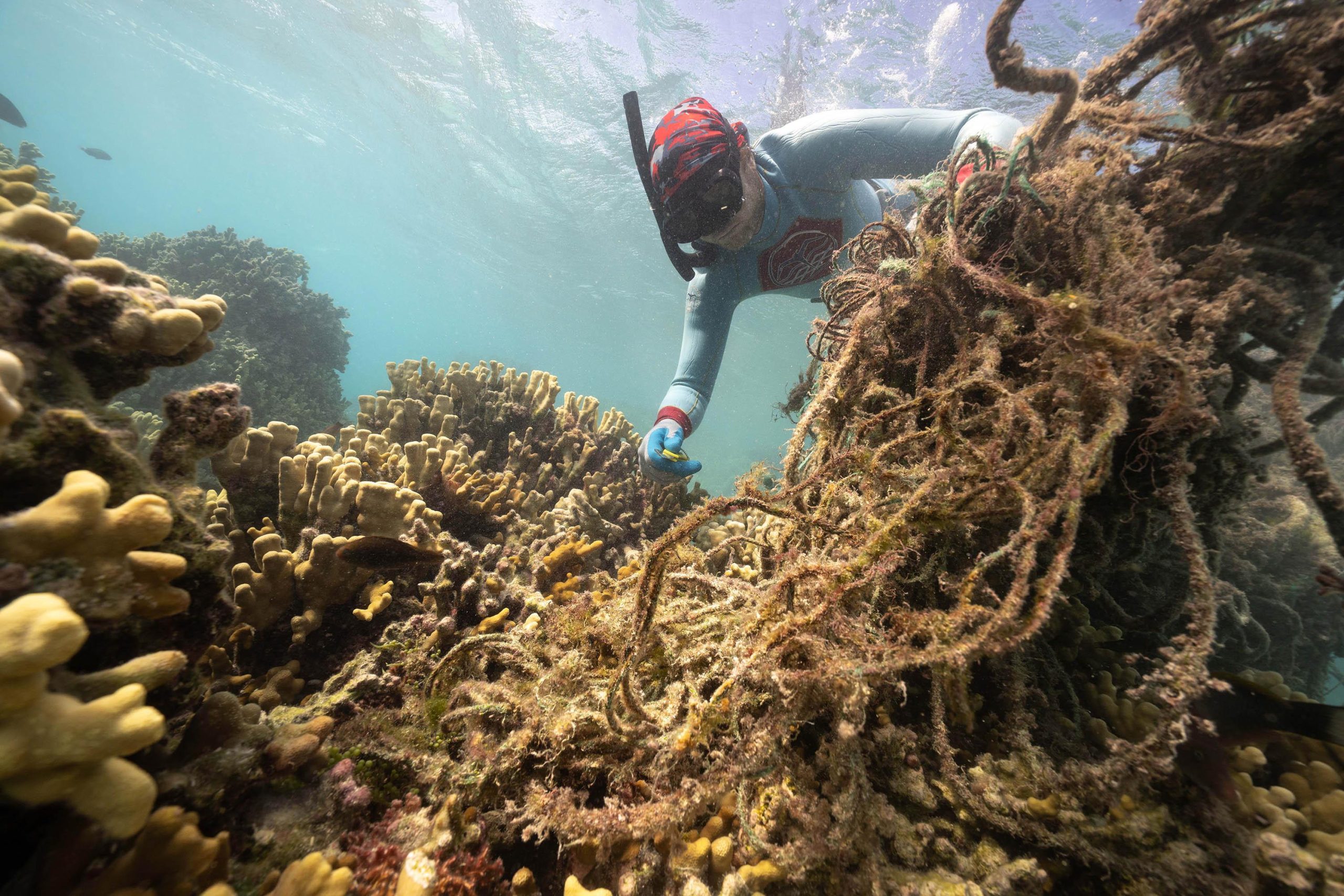
For Thor Seraphin, the images and the people behind them made the episode stand out.
“This is a story about hard work and sacrifice,” he said. “Everyone involved in this episode worked as hard as they could, for something bigger than themselves. I think the voters felt that.”
The series has more than 70 award-winning episodes, with honors including Emmys and Tellys.
“Voice of the Sea” airs on KFVE Saturdays and Sundays at 6 p.m. Episodes are also available on the series’ website.