


Hawai‘i Wildlife Center celebrates Bat Week with a call to protect the endangered native species
Despite being rarely seen, the Hawaiian horary bat plays an important role in the islands’ ecosystems by contributing to the health and balance of the environment.
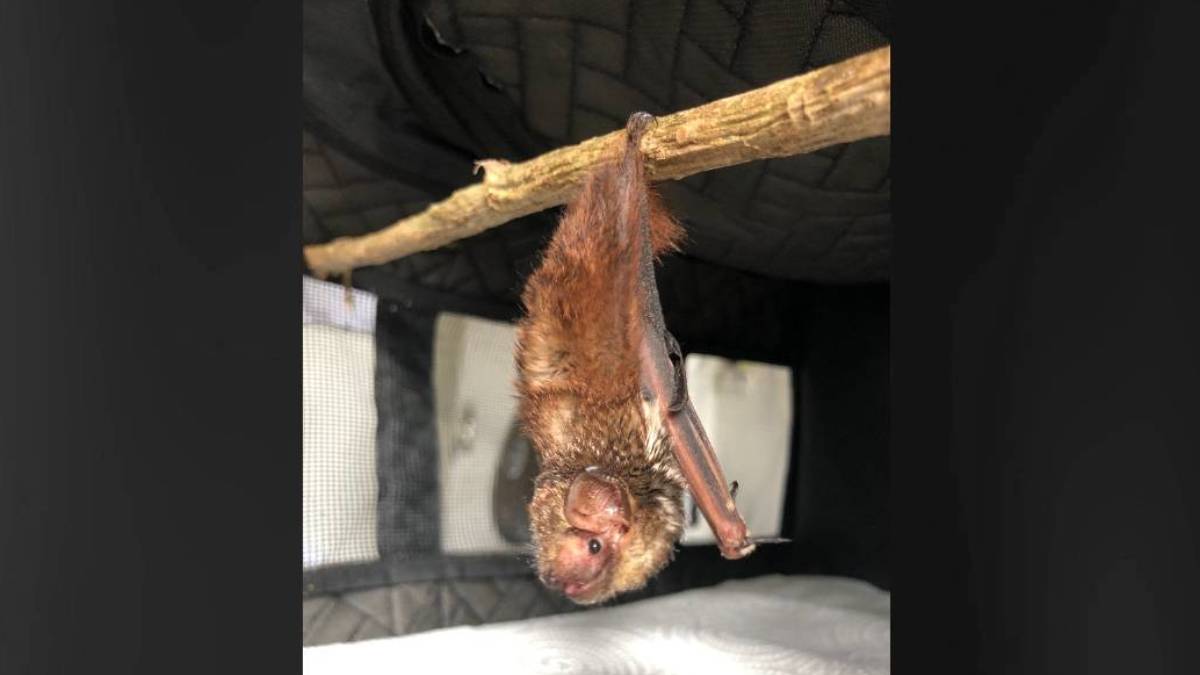
The Hawai‘i Wildlife Center is marking Bat Week, which runs Oct. 24 to 31, with a call to help protect ‘ōpe‘ape‘a, the endangered Hawaiian hoary bat that is the state’s only living native land mammal.
Despite being rarely seen, the Hawaiian horary bat plays an important role in the islands’ ecosystems by contributing to the health and balance of the environment. The bats are found throughout most of the main Hawaiian Islands, feeding on flying insects, particularly moths and beetles, according to the Hawaiʻi Wildlife Center.
The nocturnal animals face several threats, including loss of habitat, disturbance of their roosting areas, entanglement with barbed wire, and collisions with structures.
The Hawaiʻi Wildlife Center, located in Kapaʻau on the Big Island, is a professional wildlife rescue, rehabilitation and conservation organization that provides emergency response and medical care of native birds and bats statewide.
The center typically cares for just one or two Hawaiian hoary bats each year. They require timely and specialized attention.
“When a bat comes into our care, time is especially critical,” Linda Elliott, the center’s founder and CEO, said in the release. “They can become dehydrated quickly and have delicate wings, so getting them the right medical attention as soon as possible can make a difference in their recovery.”
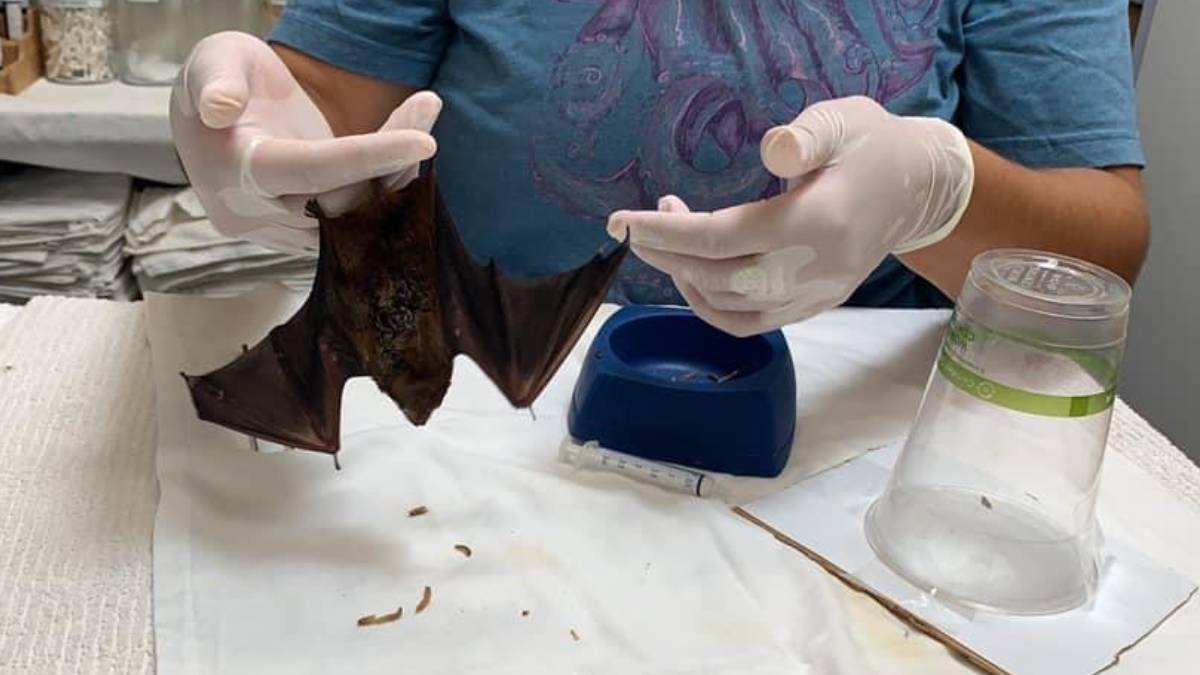
The center encourages residents to be aware of downed or injured ‘ōpe‘ape‘a but avoid handling or attempting to feed or give them water. For guidance, contact 808-884-5000 or birdhelp@hawaiiwildlifecenter.org.
Transportation of wildlife patients is provided by the center’s Wheels for Wildlife and Wings for Wildlife programs, volunteer networks of drivers and pilots that transport patients to and from the center’s hospital facility.
Residents are also encouraged to help protect ‘ōpe‘ape‘a by recording sightings of the bat at www.inaturalist.org or through iNaturalist, a free mobile app where users can document wildlife observations.
Uploaded photos and locations of bat sightings can help researchers better understand where ‘ōpe‘ape‘a are found and identify habitats across the islands.