

New UH Hilo study seeks to help communities target sewage pollution and protect coastal waters
University of Hawaiʻi at Hilo researchers have pinpointed wastewater pollution hotspots along the Hilo coastline, stretching from Keaukaha to Honoliʻi, potentially guiding cesspool conversions and infrastructure upgrades.
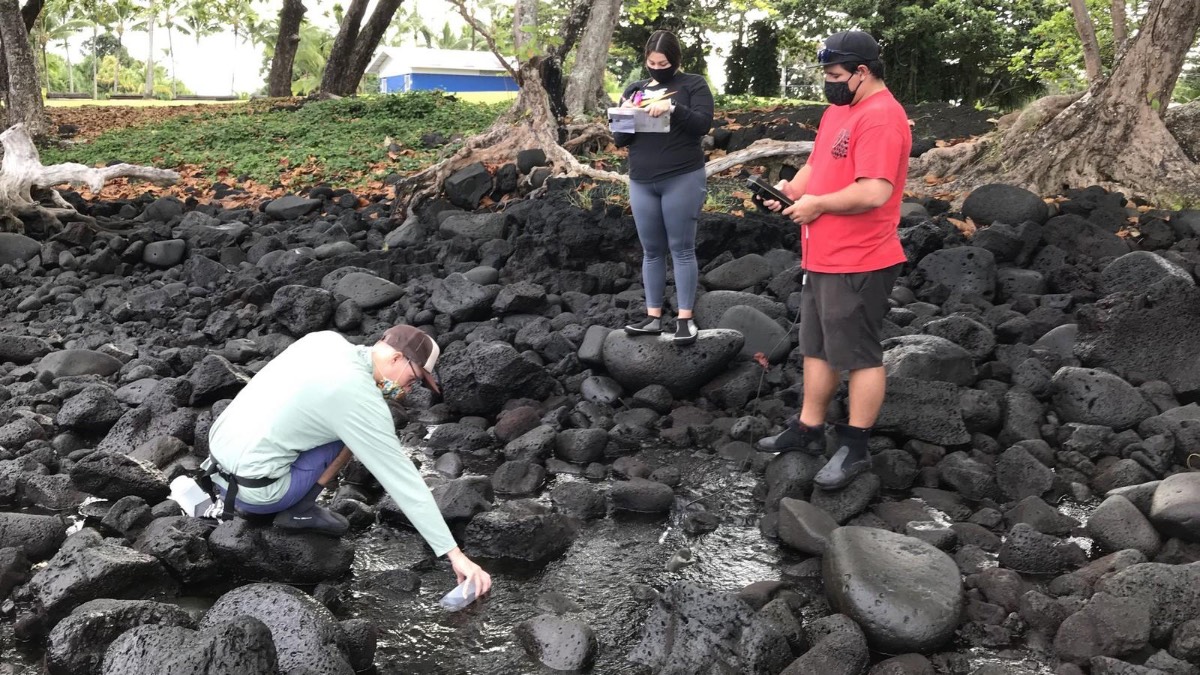
A study led by the University of Hawaiʻi at Hilo has detected wastewater pollution along the Hilo coastline, from Keaukaha to Honoliʻi, identifying areas that could help officials prioritize cesspool conversions and improvements to the island’s wastewater infrastructure.
The research, conducted from 2020 to 2022, is the first to map wastewater pollution hotspots along the stretch of Hawaiʻi Island coastline from King’s Landing to Honoliʻi Beach Park, according to the university. The findings could help guide decisions about replacing cesspools near existing sewer lines and rehabilitating Hilo’s wastewater treatment plant.
Joseph “Crispin” Nakoa, a UH Hilo graduate and Hilo native, led the research that examined wastewater indicators at 16 coastal locations.
“Growing up in Hilo, these aren’t just study sites, they’re places I’ve spent my whole life fishing, surfing, and spending time with family and friends,” Nakoa said. “Being able to answer questions that so many of us have had about the health of these waters has been one of the most rewarding parts of this project.”
Researchers collected monthly samples from the 16 locations, testing for bacteria associated with fecal contamination, nutrients and chemical signatures of nitrogen in seawater and limu, or seaweed. The measurements helped scientists trace wastewater originating from cesspools and Hilo’s wastewater treatment plant.
Wastewater indicators were detected at every sampling site, although most pollution indicators occurred at low concentrations. Researchers said groundwater flowing into the ocean diluted wastewater signals, making contamination more difficult to identify through water testing alone.
To address that challenge, the team combined its water-quality measurements with information about the density of nearby cesspools.
That approach helped identify potential pollution hotspots that conventional water sampling might overlook.
Depending on the location, wastewater accounted for 8% to 49% of nitrate in the water. Nitrate is a nutrient that can enter coastal waters from multiple sources, and groundwater remained the largest source of the nutrient in the study area.
The findings also highlighted the role of rivers in transporting wastewater to the coast, suggesting that pollution prevention efforts should extend beyond properties directly along the shoreline.
“We talk a lot about the importance of removing cesspools from near the shoreline, but it’s also important to remove those near our rivers and streams,” said Steven Colbert, a marine science professor at UH Hilo.
The study, published in the journal Marine Pollution Bulletin, supports a companion study that traced sewage from homes to shoreline springs within hours to days, further demonstrating how wastewater can move through groundwater pathways and reach coastal environments.
Researchers say the findings could help communities and government agencies determine where interventions may have the greatest impact on water quality.
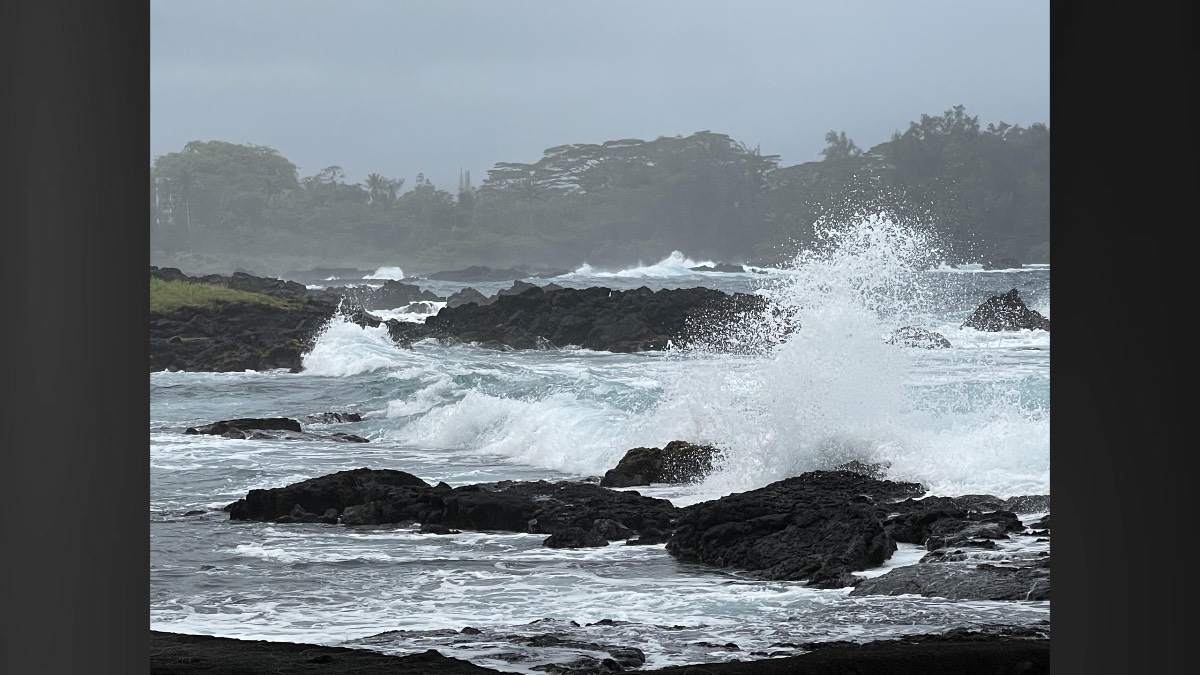
Tracy Wiegner, a UH Hilo marine science professor, said the research is intended to give communities information they can use to pursue funding and solutions for cleaner coastal waters.
“The goal with this data is to empower the communities to be able to provide them with this information so that they can seek funding for solutions to improve water quality, to make it safe for everybody in the community to be able to use these waters safely,” Wiegner said.
Wiegner said two priorities for improving Hilo’s coastal water quality are rehabilitating the wastewater treatment plant and helping residents convert cesspools to safer wastewater systems.
“So, two solutions to improving the water quality: one is to make sure that the wastewater treatment plant in Hilo is rehabilitated, and second is to assist community members with cesspool conversion,” she said.
“And both the county and the state are working actively to provide that assistance.”
Cesspools collect household wastewater and release it into the surrounding ground, potentially allowing contaminants to reach groundwater, streams and coastal waters. Replacing them with improved wastewater systems can help reduce pollution, particularly in areas where groundwater flows toward the ocean.
The study’s findings have implications for public health as well as environmental protection. Coastal waters are important to Hawaiʻi Island residents for swimming, fishing, surfing and other recreational and cultural activities.
“This is important because everybody deserves to be able to swim in clean water, and if sewage is present, there’s the possibility that that water can make them sick,” Wiegner said.
By mapping contamination indicators and identifying potential sources, the researchers hope their work will help communities better understand wastewater pollution and support decisions about infrastructure investments.
For Nakoa, the research also carries a personal connection to the waters he grew up enjoying. The findings offer a scientific foundation for addressing concerns about coastal water quality in places that remain central to Hilo’s community life.
A video featuring research footage and interviews with Wiegner is available by clicking here.