

Native Hawaiian nonprofits work to update state rules for 1990 burial treatment law
The petition to amend 27 administrative rules aims to ensure the active involvement of lineal and cultural descendants in decisions regarding iwi kūpuna.
In 1988, developers unearthed more than 1,100 ancient Native Hawaiian remains dating from 950 AD to the 1700s to build the luxury Ritz-Carlton on Maui.
This led to the “awakening” at Honokahua, a cultural and legal grassroots movement that included round-the-clock rallies and protests at the Hawai’i’s Capitol until then Gov. John Waiheʻe negotiated to move the hotel further inland.
This event also contributed to Hawaiʻi’s 1990 burial treatment law, granting legal protections to unmarked ancient graves similar to modern cemeteries. However, over the years, some land-use decisions have led to the systematic removal and relocation of Native populations, hindering efforts to preserve the traditional stewardship of sacred burial sites.
In 2009, more than 600 remains were removed without an environmental impact survey during construction at Kawaiahaʻo Church in Honolulu. It took 13 years to rebury the iwi 10 feet from where they were discovered.
Now, a group of three Native Hawaiian organizations are working to update state administrative rules used to carry out the 1990 law. They have filed a petition to amend 27 of these rules related to the historic preservation review program and burial sites program through the State Historic Preservation Division.
“I think it has been decades since the last rule creation or revision, and we have learned a lot since then,” said Dr. Jessica Puff, administrator at the state division. “So, it is very important to reflect on what we have learned and ensure our administrative rules reflect the new knowledge we have.”
On Mar. 25, three groups — Mālama Kanakilua, Hoʻoponopono o Mākena and the Pele Defense Fund — submitted the petition, which seeks amendments to improve standards for identifying and evaluating historic properties and burial sites. The groups also want rule changes that ensure the meaningful inclusion of lineal and cultural descendants in the historic preservation review processes.
Puff attended the County of Hawaiʻi Cultural Resources Commission meeting on Wednesday to discuss the status of the administrative rule-changing process.
During the meeting, Janet Six, principal archaeologist for Maui County, supported the changes and stated that the State Historic Preservation Division needs reform.
“I am participating in the meetings, and I am glad they are doing this,” Six said. “I really urge anyone to attend these meetings, especially if there is something you want to see changed.”
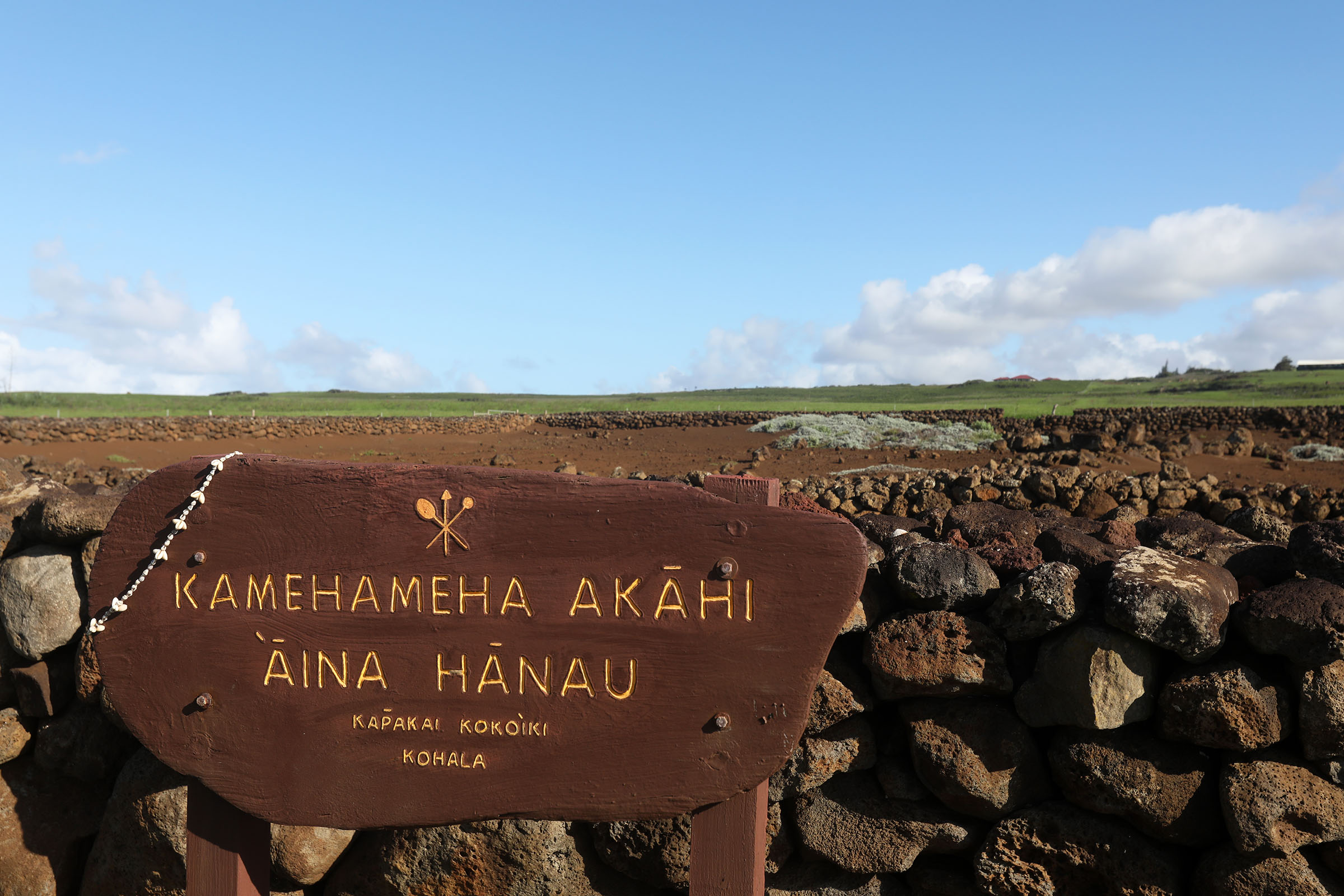
For Luʻukia Nakanelua, a Native Hawaiian lawyer involved in the stewardship of ancestral places at Huliauapaʻa, shaping these administrative rules protects archaeological sites and iwi kūpuna and ensures that present and future Native Hawaiian communities can maintain connections to culturally important spaces and ancestors.
“Even after laws were established, discoveries and disturbances of iwi kūpuna exposed the gaps within the historic preservation laws and their implementation,” Nakanelua said. “However, these events were not isolated. They are part of a longer history of displacement from ancestral land, loss of access to places important to cultural practices, and the disruption of relationships with ʻāina, kūpuna, and customs and traditions.”
The Board of Land and Natural Resources has approved the petition to proceed through the official administrative rule-changing process, coordinated by the State Historic Preservation Division and Huliauapaʻa, a nonprofit founded in 2012 that collaborates with various groups to provide education and assistance in the preservation, stewardship and management of cultural and historical sites.
“By going through this rule-changing process, SHPD can reassess program areas and make necessary adjustments to meet the responsibilities set forth in the state constitution and set a new course for the state historic preservation program,” Puff said.
The cultural significance of iwi kūpuna is deeply rooted in Native Hawaiian oral traditions, language and customs. Burial practices were very strict, often conducted at night by an appointed person or group of relatives of the deceased.
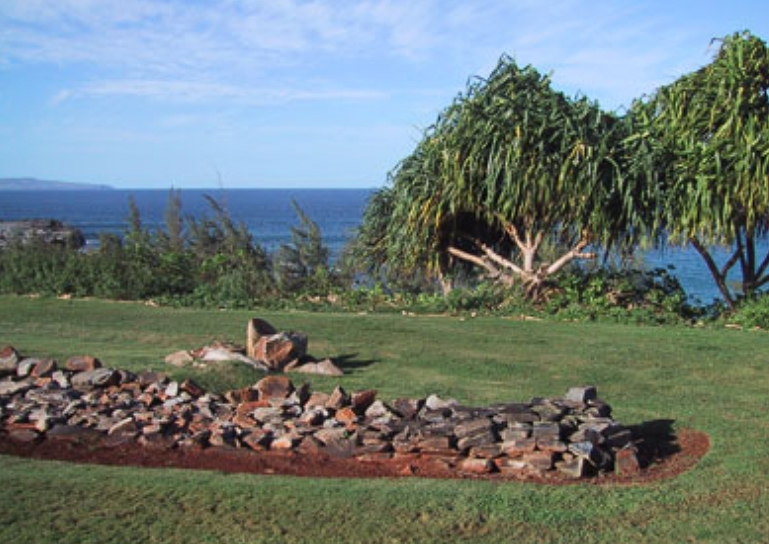
Sites were chosen for specific symbolic reasons and were kept secret for protection from abuse or disturbance, often hidden in caves, cliffs and sand dunes.
To address these gaps, proposed amendments for HAR 13-275-1, 3, 5, and 6 ensure that lineal and cultural descendants are primary participants in the historic preservation review process where burial sites may be affected.
According to the petition, the historic preservation process becomes more efficient and responsive when lineal and cultural descendants are treated as primary participants at every stage of the process rather than being updated after plans have been made.
Another issue the amendments address is a recurring problem at the State Historic Preservation Division — a significant lack of staff.
An amendment allows a delegate from the islands’ burial councils to conduct administrative affairs to take some of the workload off of the overburdened state division, and enable quicker responses to applications for recognition as a cultural and lineal descendant. This has left descendants without the means to protect their iwi kūpuna, petitioners say.
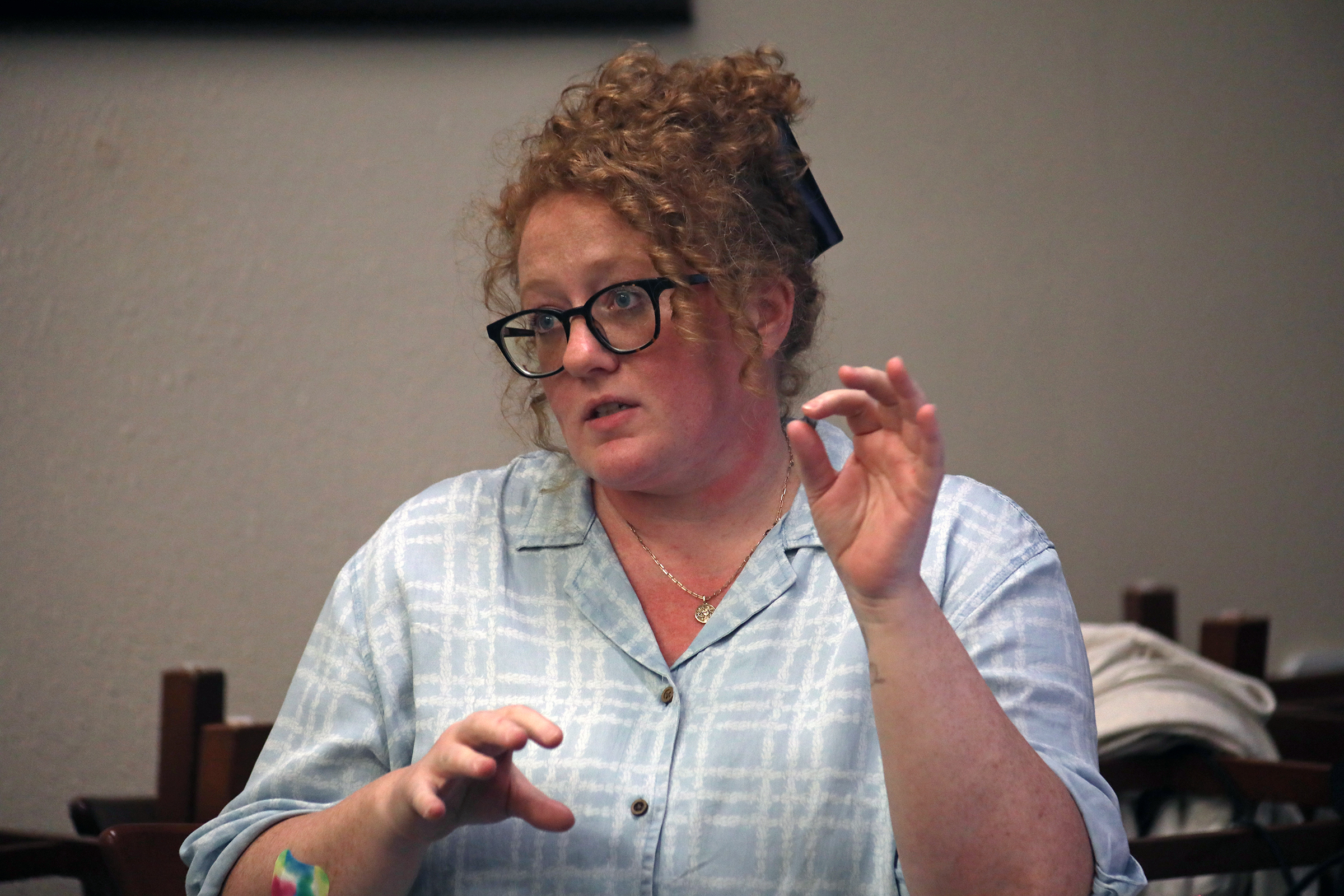
Six, the principal archeologist for Maui County, said: “Personally, I am a fan of getting rid of inadvertent burial law on known burial grounds; you know, people can’t keep pretending there is nothing there.”
In current law, the definition of inadvertent discovery is the unanticipated finding of human skeletal remains and any burial grounds from unintentional disturbance, erosion or other ground-disturbing activity.
The amendment adds that any subsequent findings of human skeletal remains or burial grounds in the area shall be classified as previously identified, over which the islands’ burial councils will have jurisdiction if deemed Native Hawaiian.
Before the proposed amendment, there were no consequences for disturbing a second burial in the same area.
Since the Board of Land and Natural Resources approved the petition, there have been two informational meetings covering the administrative rule processes and the amendments.
The process has now entered the second phase of public consultation, with the State Historic Preservation Division working on scheduling in-person meetings on the Big Island, Kauaʻi, Maui and Oʻahu.
“One crucial part of this process is gathering public feedback,” Puff said. “There is no set deadline for comments. We definitely are encouraging more people to come to meetings or provide written comments on additional changes that should be made to the current rules, or the amendments in discussion.”
Huliauapaʻa has shared information from the first meeting about the cultural significance and history of iwi kūpuna and the administrative rule-changing process in a PowerPoint presentation.
All of the amendments can be seen in the full petition, a second PowerPoint or on the Huliauapaʻa website.
For written comments regarding proposed and additional amendments, there is an online form, or email dlnr.hp.public@hawaii.gov.