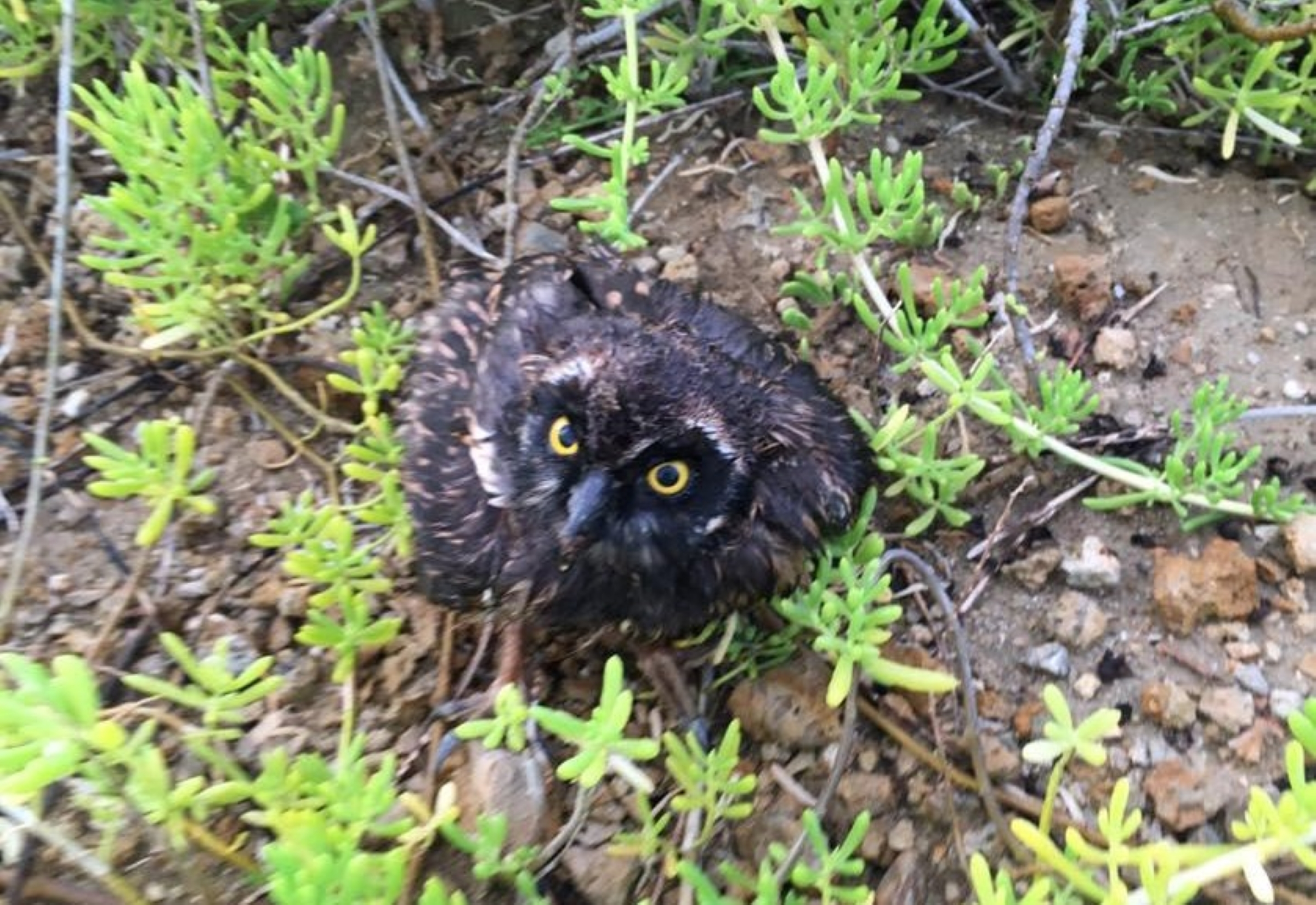


Pueo deaths during past three decades primarily caused by vehicle collisions
Trauma from collisions with vehicles caused the majority of documented pueo deaths during the past three decades.
Findings of a new statewide study represent the most extensive mortality assessment to date for this culturally significant native Hawaiian short-eared owl.
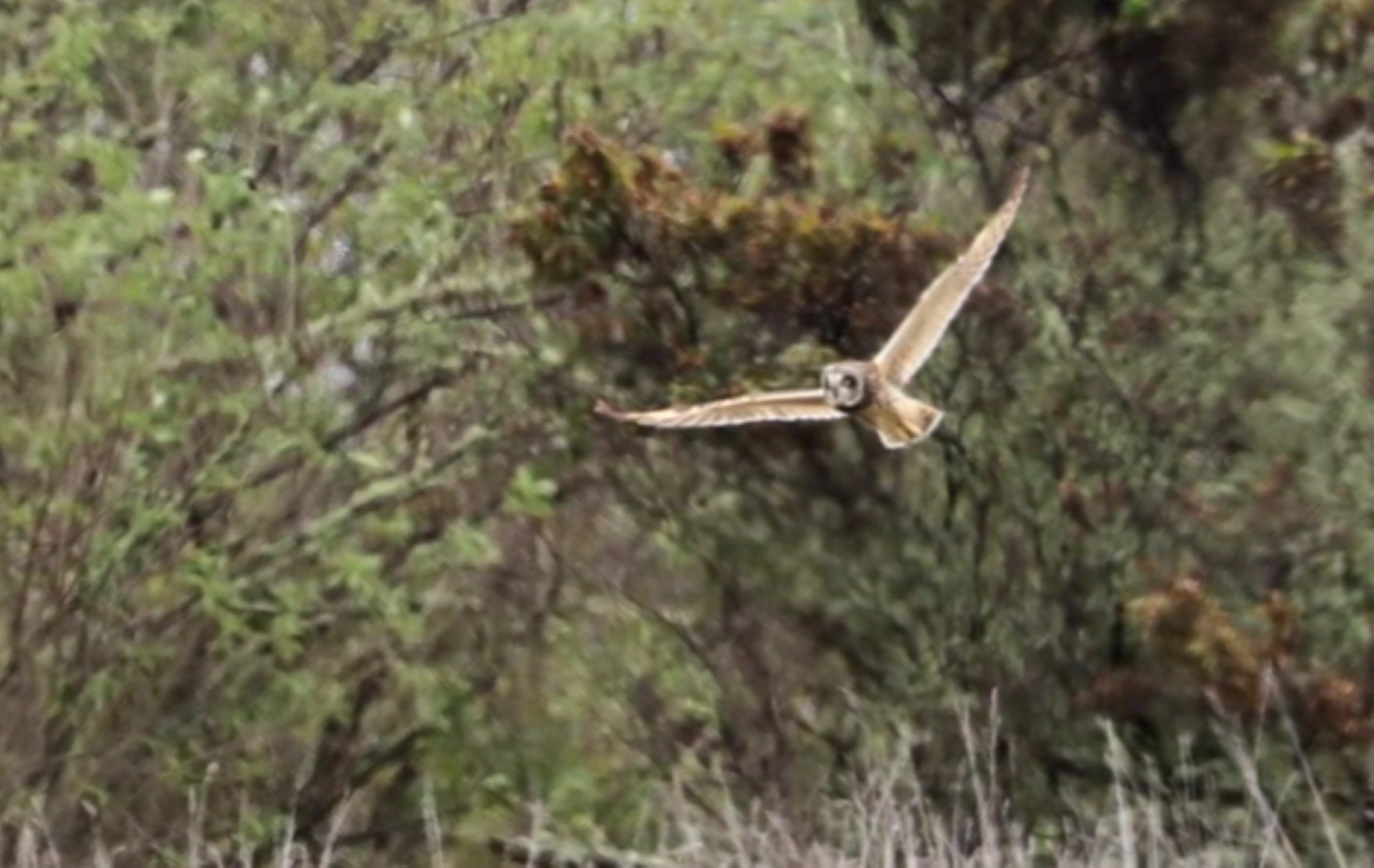
The study was led by researchers at University of Hawaiʻi at Mānoa, conducted by Department of Natural Resources and Environmental Management in College of Tropical Agriculture and Human Resilience.
Researchers analyzed 32 years of records from 1993 to 2024 collected by 10 organizations statewide.
“Pueo like to hunt along roadsides, so they’re going to be attracted to that area and there’s not a lot we can do to keep them from coming into the area,” said Department of Natural Resources and Environmental Management professor and study senior author Melissa Price in a university video.
Researchers compiled 242 documented Pueo deaths and found that trauma accounted for 62% of deaths.
Within those cases, two-thirds were linked to vehicle collisions or occurred in close proximity to roadways. Wind turbines represented 13% of trauma-related deaths, while other identified causes included emaciation and disease.
Pueo are ground nesting birds, which also makes their nests especially vulnerable to predators such as cats. Keeping pet cats inside is another way community members can help protect the owls.
But there is some positive news.
“Our findings highlight that many pueo deaths may be preventable,” Price said in a university release about the new research. “Reducing vehicle collisions and increasing awareness about rodenticide use can help all of us support pueo conservation.”
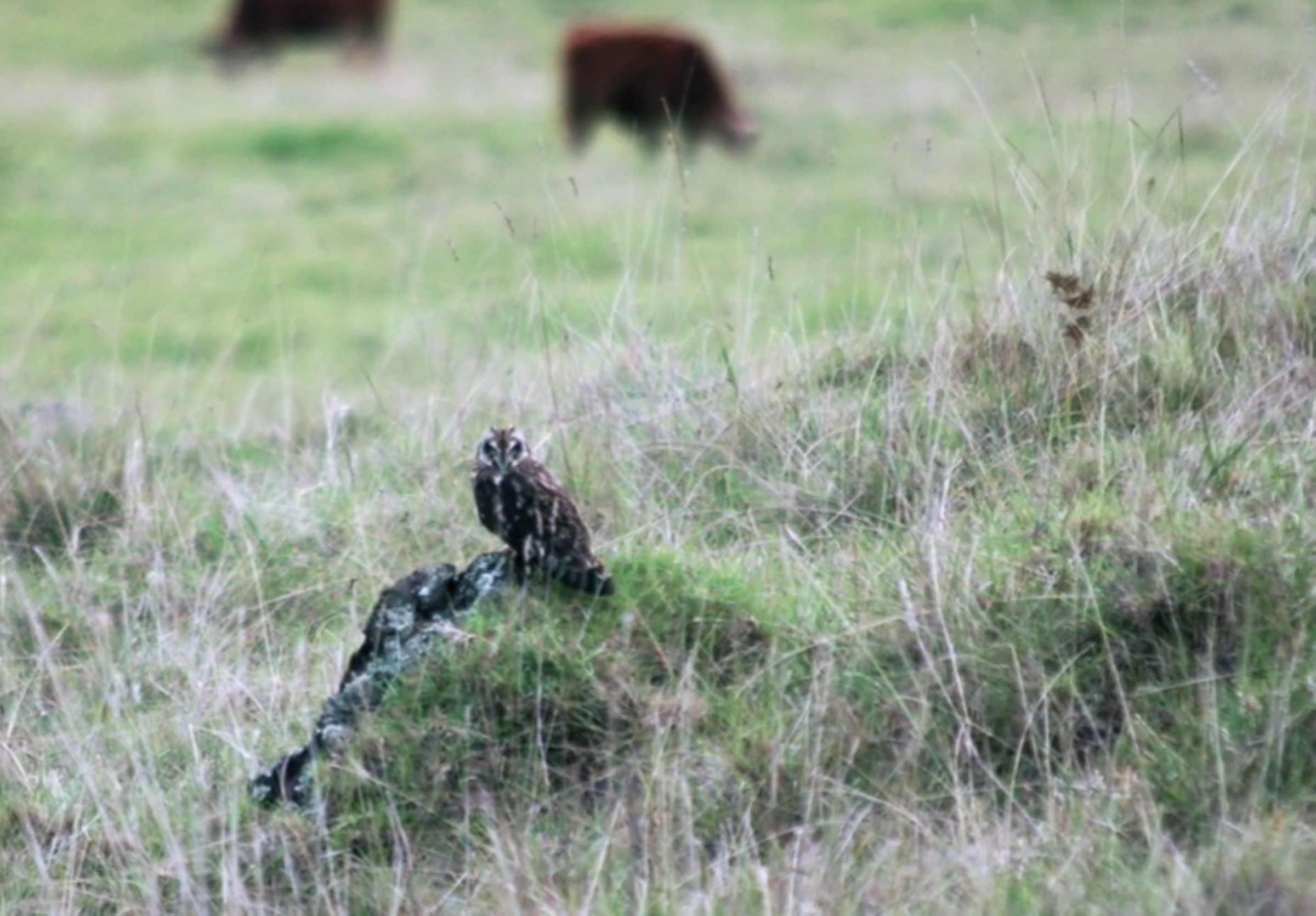
Trauma was often the immediate cause of death; however, researchers noted many birds suffered from underlying health issues such as parasites, emaciation or suspected exposure to rodenticides.
“Wildlife mortality is often complex,” said study collaborator Thierry Work in the release. Work is with U.S. Geological Survey. “Perhaps owls are more likely to forage along roadsides because that is where prey are easily available, or other underlying conditions increase their risk of collision. Without systematic necropsies and toxicology testing, it can be difficult to untangle these contributing factors.”
The new study provides the first statewide synthesis of pueo mortality, identifying critical areas for future research and conservation action.
“This study adds to a growing body of research that indicates many native bird species in Hawaiʻi are killed by vehicle and infrastructure collisions,” said U.S. Fish and Wildlife Service biologist Olivia Wang in the release. “Understanding the magnitude of impact of these threats helps us identify areas to target management and outreach efforts so we can minimize and mitigate the various threats pueo face.”
Researchers suggest the increased number of reported pueo deaths during the past several decades also could reflect improved reporting efforts, more cars on the road or faster driving speeds.
A statewide assessment of pueo population size is a critical next step to understand how this level of mortality might affect the native Hawaiian raptor species through time.
“Pueo are very active in the evening and the morning,” Price said in the video. “So as you’re driving along, if you keep a good eye out for wildlife, you can minimize the chance of hitting them with your car.”
She added that the new research is dedicated to University of Hawai‘i alumnus Stephanie Bell, whose work on this project for her undergraduate senior thesis made this statewide assessment possible.