

Investigation continues of 2 nēnē killed by a car in Waikōloa, but state says feral cat feeding is main issue
The Hawaiʻi Department of Land and Natural Resources said recent counts found about 70 of the Native Hawaiian goose eating cat food left on the lava rocks near busy Queens Marketplace.
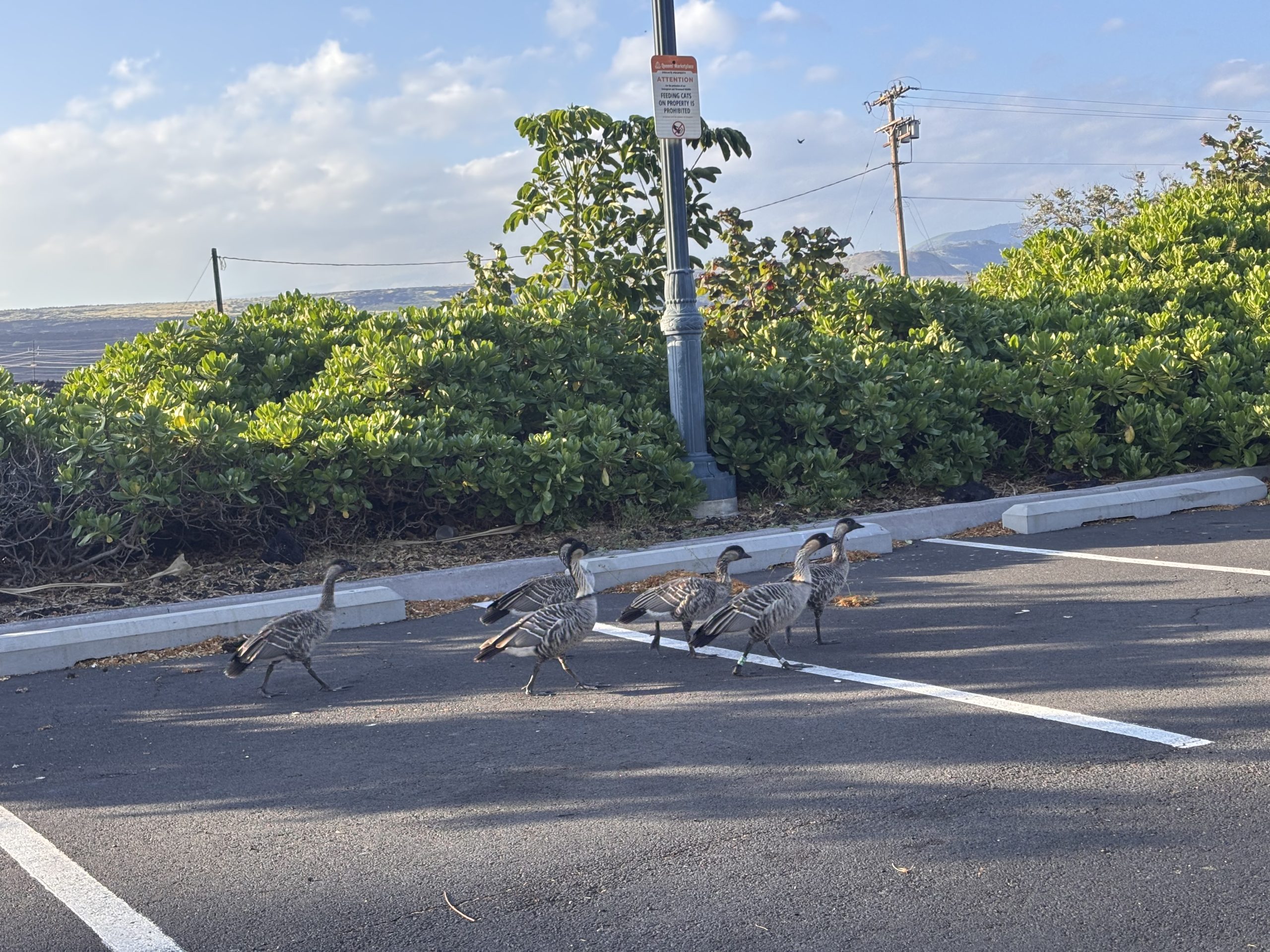
While the Hawai’i Department of Land and Natural Resources continues to investigate the deaths of two nēnē that were run over by a car in a Waikōloa parking lot, agency officials say the main problem is the state bird being attracted by the food left for feral cats.
“Recent counts show approximately 70 nēnē eating cat food left on the lava rocks,” the state department said in an email to Big Island Now.
The current deaths took place on June 3. The department’s Division of Forestry and Wildlife received a report about the Native Hawaiian goose at 6:30 a.m. in the parking lot at Queens Marketplace, an area where they have been actively working with landowner Alexander and Baldwin to stop cat feeding.
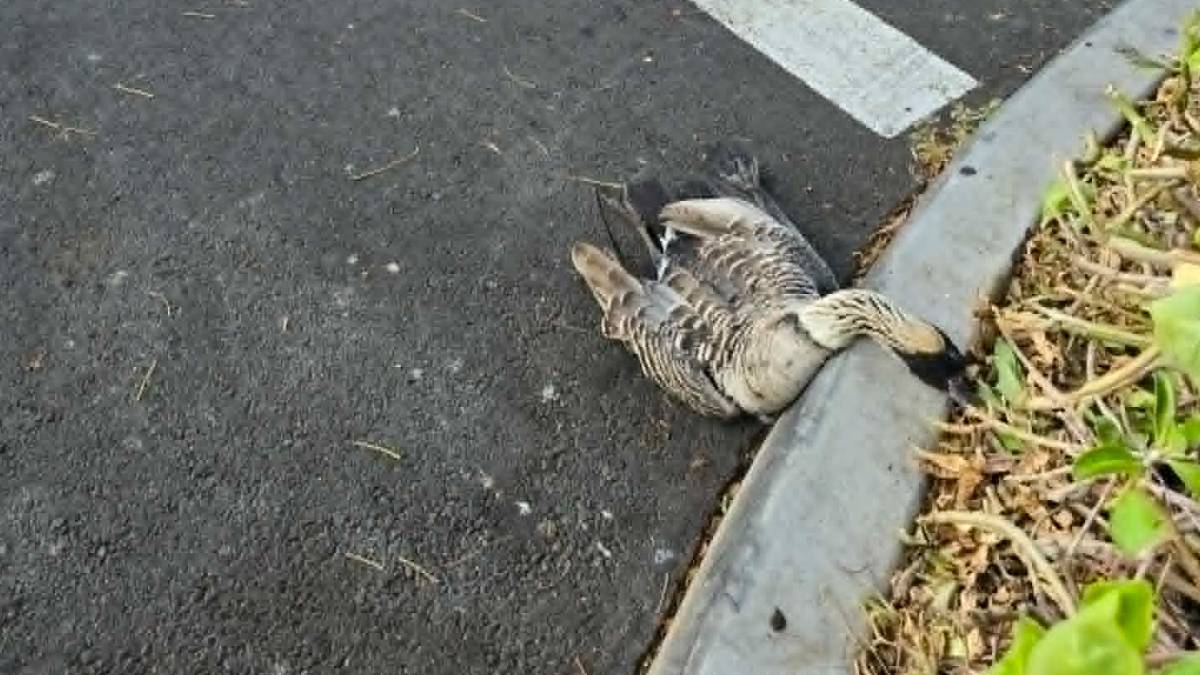
Officers with the department’s enforcement division responded to the parking lot, where they spoke with the driver of a vehicle suspected of being involved. The case remains open.
Nēnē are federally listed as a threatened species and state listed as endangered.
The Waikōloa parking lot has had a regular nēnē presence due to the birds being lured in the past by feeding stations set up for feral cat colonies. In 2023, the state directed A&B to remove those stations following complaints that the nēnē were being negatively impacted by the consumption of cat food and close contact with the felines.
The Division of Forestry and Wildlife has warned land managers in the past that if nēnē become habituated to that area via cat food, they will get comfortable in parking lots, roads and the shopping center, which are not safe for nēnē.
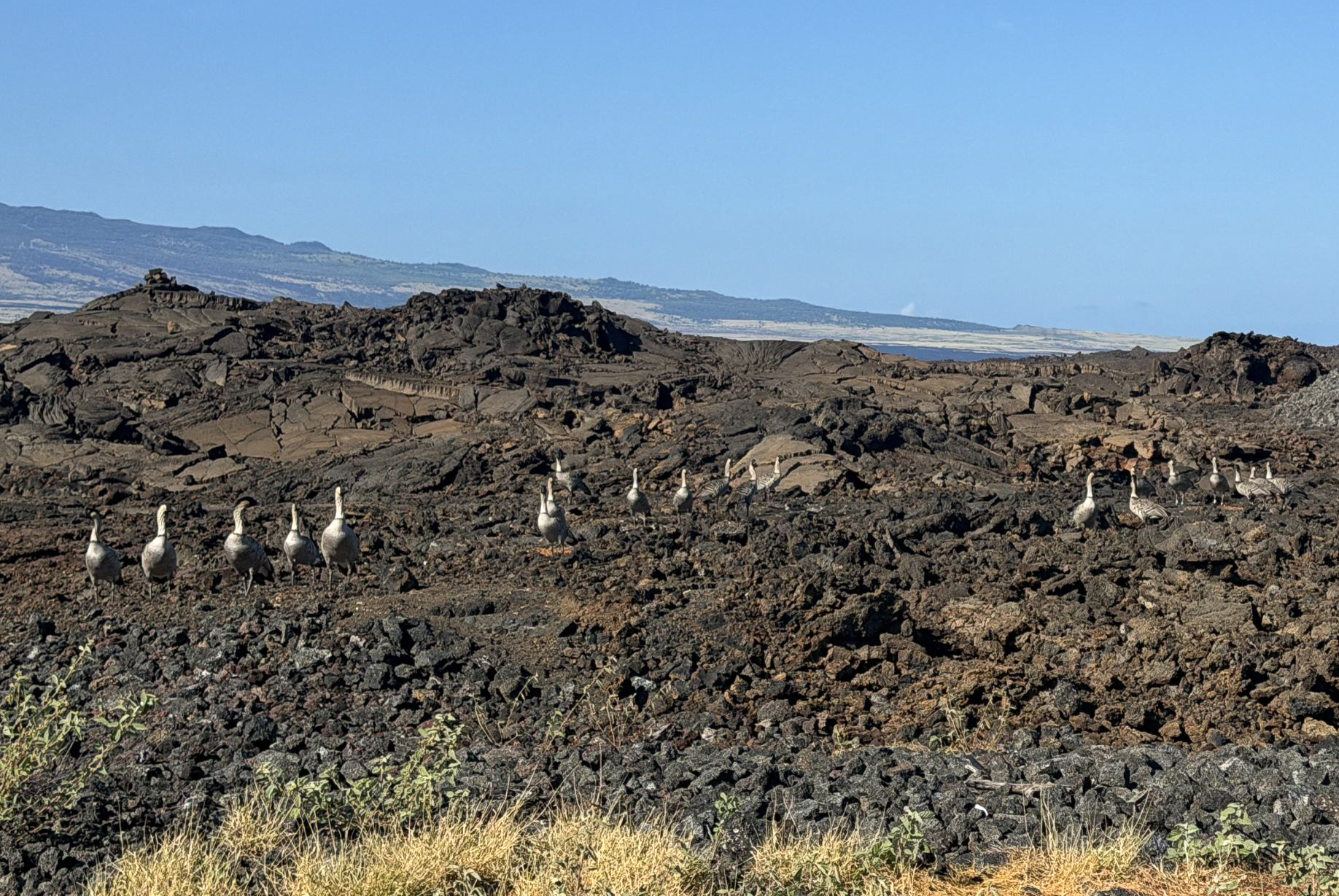
While those stations have since been removed, feral cat feeding continues in the adjacent lava fields belonging to a separate landowner, the Department of Land and Natural Resources stated in a news release Friday.
“With nēnē flocking season here, DOFAW staff were worried that the nēnē would again settle in this area and bring others,” the email states.
It is illegal to feed feral cats on state- or county-owned properties.
But some animal advocates have criticized these actions, calling the state and county leaders inhumane for leaving vulnerable cats to starve.