


Proposed bill that would have capped parking rates in Kailua Village dies in county council committee

A bill that would have put a cap on rates for private parking lots in the Historic Kailua Village is dead.
Hawai‘i County Council Member Rebecca Villegas first introduced Bill 132 during the council’s Policy Committee on Public Works and Mass Transit on March 3. The measure was postponed three times over concerns about the legality of mandated pricing for the owners of the private lots.
“It’s become apparent that it could potentially jeopardize the county and taxpayer dollars in a lawsuit, and I don’t want to do that,” Villegas said Tuesday during the latest committee meeting. “But I don’t think it’s been a waste of time because it’s elevated this issue of paid parking to a level that just about everybody’s been talking about.”
But Villegas expressed her disappointment and apologized to the community and those who helped work on the bill.
She added that she has another piece of legislation coming forward that does abide by the legal authority of the county. Hawai‘i County Council Member Holeka Inaba is working with Villegas on introducing Bill 154, which would prohibit the creation of any future paid parking lots in the county.
In the meantime, Villegas encouraged the community to stay engaged and patronize the downtown area.
“Please don’t leave the village,” the councilwoman said. “Please come back down to the village. It needs you.”
If passed, Bill 132 would have provided free parking for the first three consecutive hours a patron parks or stores a motor vehicle in a paid parking facility in Kailua Village.
For years, business owners and residents in downtown Kona have been advocating for relief from the economic hardship they say is caused by the exorbitant parking rates, which now range from $9 to $21 an hour, although some lots offer free time or discounted prices for residents.
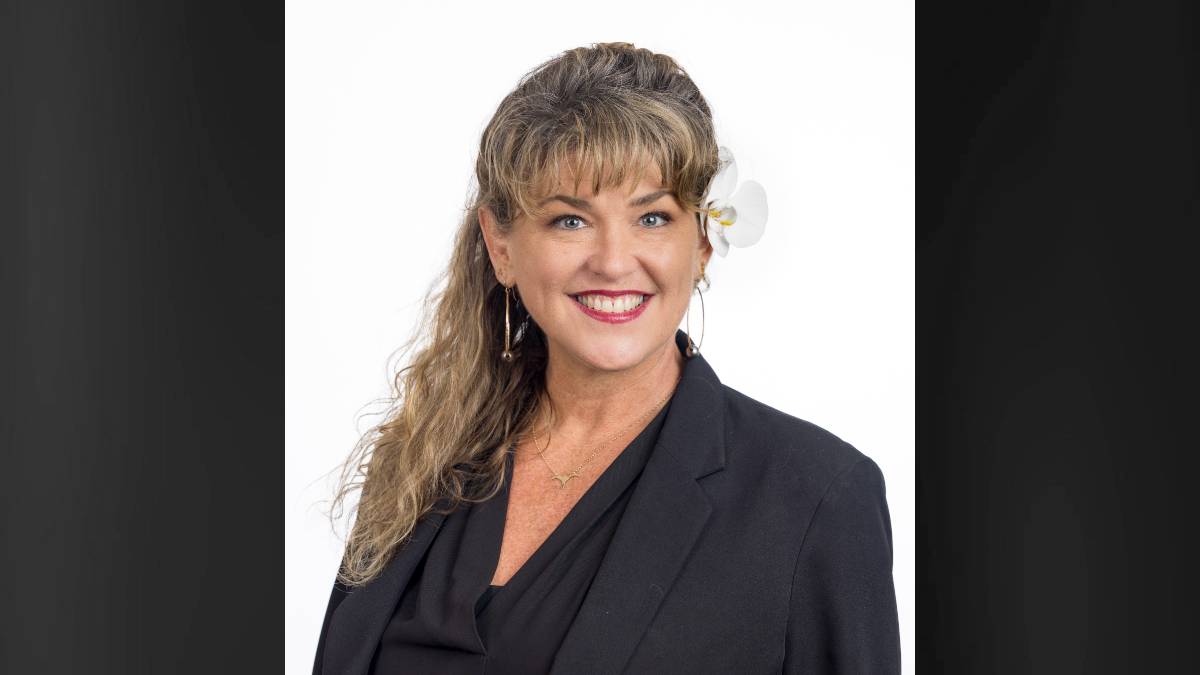
Julie Ziemelis, a Kona resident, has been a vocal advocate to address what she describes as predatory parking rates in downtown Kona and worked with community members and Villegas to draft Bill 132.
On Tuesday, Ziemelis said she was disappointed.
“But the legal pressure against the county was there, even though our law team did so much work to show that local government could tell business owners what they can charge the public,” she said.
During Tuesday’s meeting, Inaba thanked Villegas for bringing Bill 132 forward, “even though this exact version isn’t something we can run with.”
Inaba said the proposed measure will be headed to the county planning commissions for review.
“The effort to try and address this islandwide is not completely dead, just not via Bill 132 anymore,” he added.