


Public invited to help shape future of Hilo Bay
The public is invited to help shape the future of Hilo Bay by attending a community listening fair for the Hilo Bay Resilience and Watershed Management Plan.
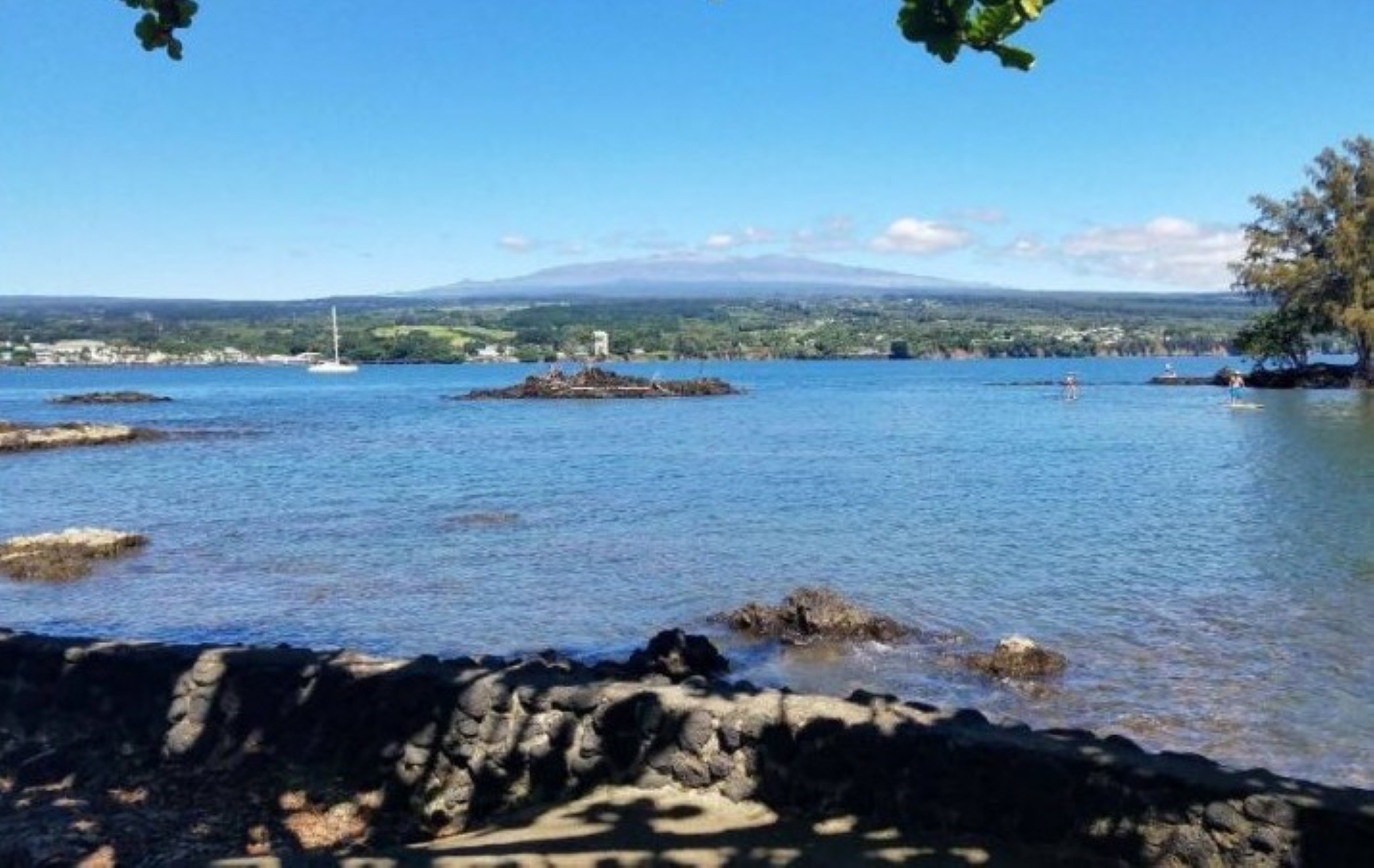
A community-based planning process recently began for the Hilo Bay watershed and the community listening fair will give people the opportunity to provide input. The event is slated for 10 a.m. to 4 p.m. Saturday, May 23, in Aupuni Center Conference Room, located in Suite 1 at 101 Pauahi St., in Hilo.
Public input gathered during the fair will be used to develop the community’s vision for the Hilo Bay region and guide development of the watershed plan.
“Every voice matters in this planning process,” said Hawaiʻi County Mayor Kimo Alameda in an announcement about the upcoming community listening fair. “I encourage all residents to share what Hilo Bay means to them.”
Members of the public are encouraged to drop in anytime during the event to share their thoughts and concerns about the state of the Hilo Bay watershed.
Interactive activity stations will be available, where participants can learn more about the project and provide facilitated feedback.
Hilo Bay has a long history of impairment, which only will continue to degrade if no action is taken.
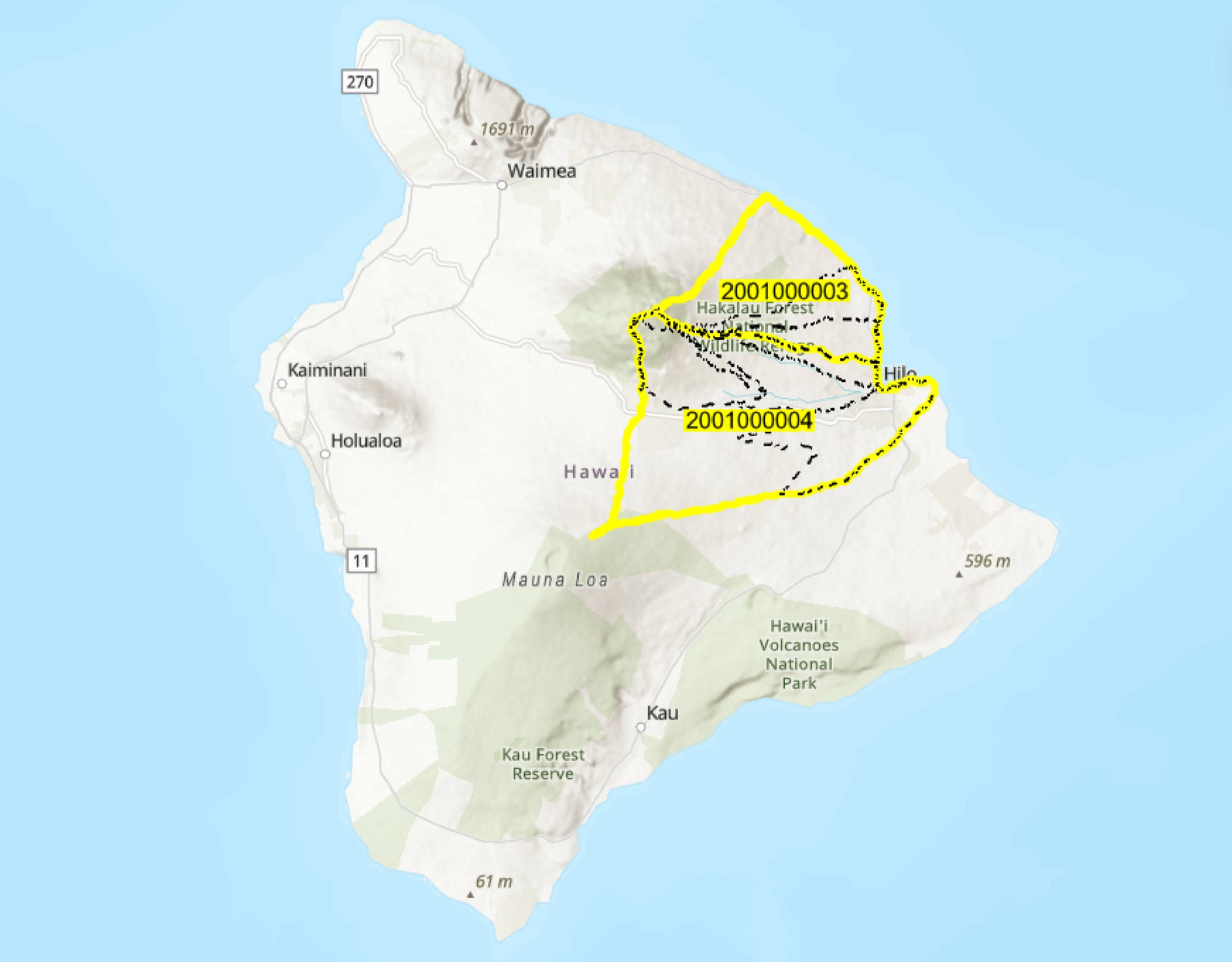
The Hilo Bay watershed covers about 470 square miles. It is the largest watershed in the state, stretching from the summits of Mauna Kea and Mauna Loa all the way down to the ocean. The Wailuku and Wailoa river systems are its primary drivers.
So a wide range of factors contributes to the watershed’s and bay’s poor conditions mauka to makai.
And a study by University of Hawaiʻi researchers published in 2024 in the journal Water Environment Research found that water quality of the bay itself is expected to worsen because of intensifying climate change.
Sources of freshwater discharge into Hilo Bay coincide with high levels of harmful bacteria. Those levels are likely to increase as sea levels rise and extreme weather events become more common.
The study also found that certain parts of the bay contain pathogens such as Staphylococcus aureus, commonly called staph, at concentrations as much as 78 times greater than what would be considered normal or average.
Lower tide heights, more freshwater discharge and the number of cesspools within close proximity of the bay all contribute to those high bacteria concentrations.
“There’s a lot of factors,” study co-author and University of Hawaiʻi at Hilo professor Tracy Wiegner told Hawaiʻi Tribune-Herald in August 2024. “There’s the huge concentration of cesspools in the area, all on lava rock, which is very porous and permeable.”
Wiegner emphasized that sewage from a Keaukaha cesspool can trickle into the bay within as little as a matter of hours.
University of Hawaiʻi at Hilo associate professor of marine science Steven Colbert told the Big Island newspaper that similar conditions exist throughout the Big Island’s eastern and southern coasts.
Wastewater will reach the ocean even more quickly as sea level rises. More and more cesspools will be flooded, Colbert said. Meanwhile, as ocean temperatures rise, the bay will become a kind of cesspool of its own, teeming with thriving levels — and concentrations — of bacteria.
Colbert said while quality of the bay’s water has long been known as a health hazard, the study at least helped confirm the sources of pathogens that cause the sometimes seriously dangerous conditions lurking under the surface.
“(Fixing the problem) will need a very expensive bullet,” Wiegner told the newspaper. “That’s why the cesspool conversion process has taken so long. Ideally, we’d want to connect homes in Keaukaha to a sewer line and then get the Hilo Wastewater Treatment Plant back up to its maximum capacity … or even higher.”
Colbert said, however, that despite the many concerns often rising from the depths of Hilo Bay, the watershed’s conditions aren’t yet too dire from which to dive back.
“It doesn’t stop me from going swimming,” he told the Tribune-Herald. “I just have to be careful. I take a shower afterward, and if I have an open wound, I probably won’t go in. If the water’s brown after a storm, you probably shouldn’t go in.”
An approved watershed management plan like what is under development now and residents have the opportunity to chime in on this weekend is the necessary critical first step to begin coordinated, multi-agency remediation efforts and unlock additional sources of funding to address all of the bay’s and watershed’s challenges.
Hawaiʻi County Department of Research and Development received a grant from National Fish and Wildlife Foundation to complete the plan, which will consider and prioritize all recommended restoration activities with special emphasis on nature-based solutions, cultural knowledge, coastal resilience and habitat protection.
Community participation is critical for documenting the impacts of the impaired waters of Hilo Bay and throughout its watershed.
Visit the Hawaiʻi County Department of Research and Development website for additional information.
News reporter Nathan Christophel contributed to this story.