


Road reopens in Hawai‘i Volcanoes National Park following ashfall cleanup
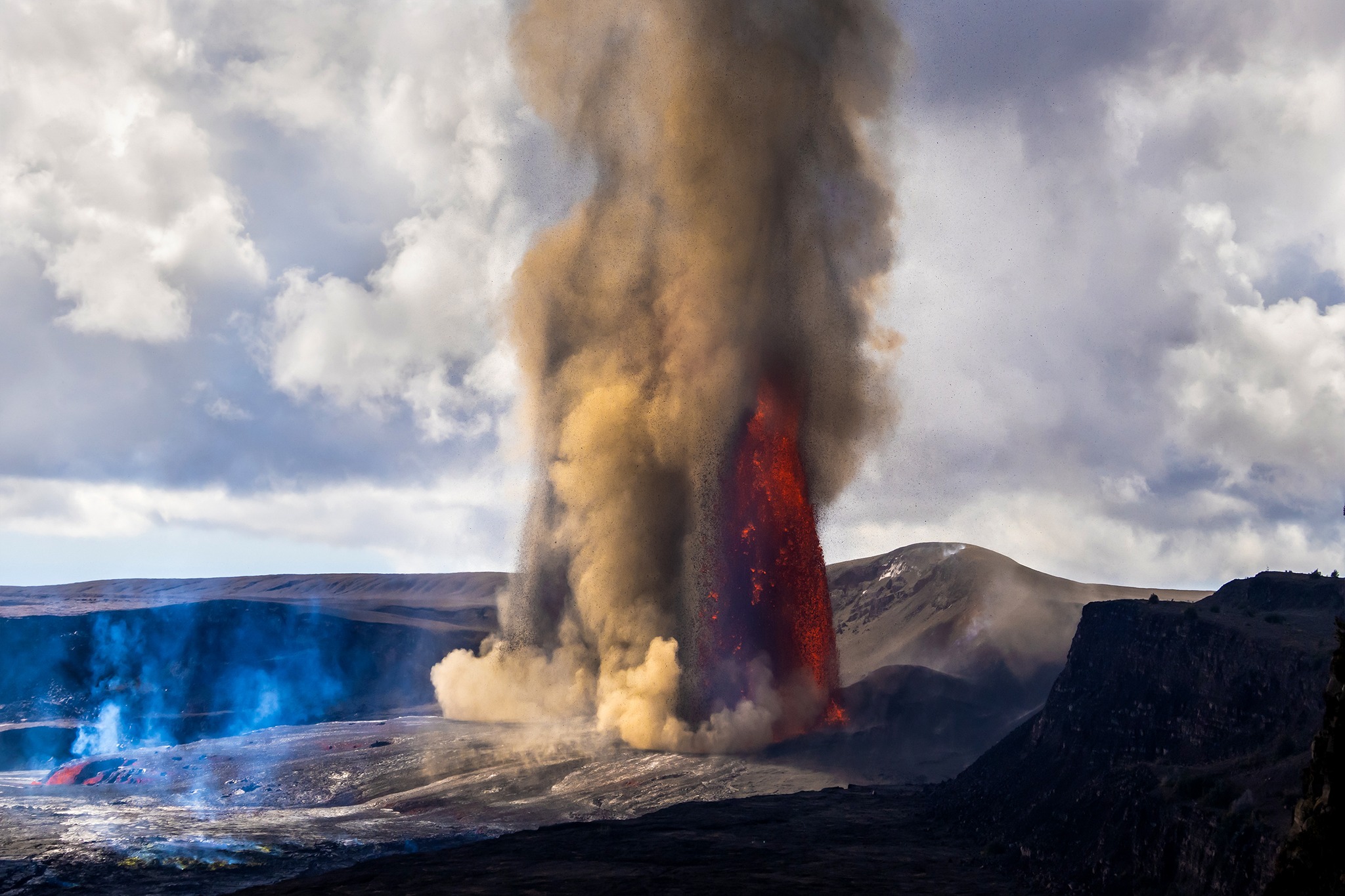
Crater Rim Drive East in Hawai‘i Volcanoes National Park has reopened following extensive cleanup after massive amounts of ashfall and volcanic rock from the latest Kīlauea eruption blanketed the summit area and neighboring communities.
Episode 41 erupted Saturday morning and lasted more than 8 hours before abruptly ending just before 7:30 p.m. Tephra (volcanic rock) ash and even the glass strands of Pele’s hair were carried by the wind as far as Hilo and coastal areas of Puna.
According to the Hawaiian Volcano Observatory’s daily update this morning, no significant activity has been noted along Kīlauea’s East Rift Zone or Southwest Rift Zone. Preliminary data indicate the onset of the next lava fountaining episode is likely about 2 to 3 weeks away.
All roads on the east side of Kīlauea summit (Crater Rim Drive East and Chain of Craters Road) were closed to vehicles and bicycles due to heavy amounts of tephra and ash that fell on Saturday, according to a Facebook post from Hawai‘i Volcanoes National Park. The east side trails are accessible on foot and open to hikers.
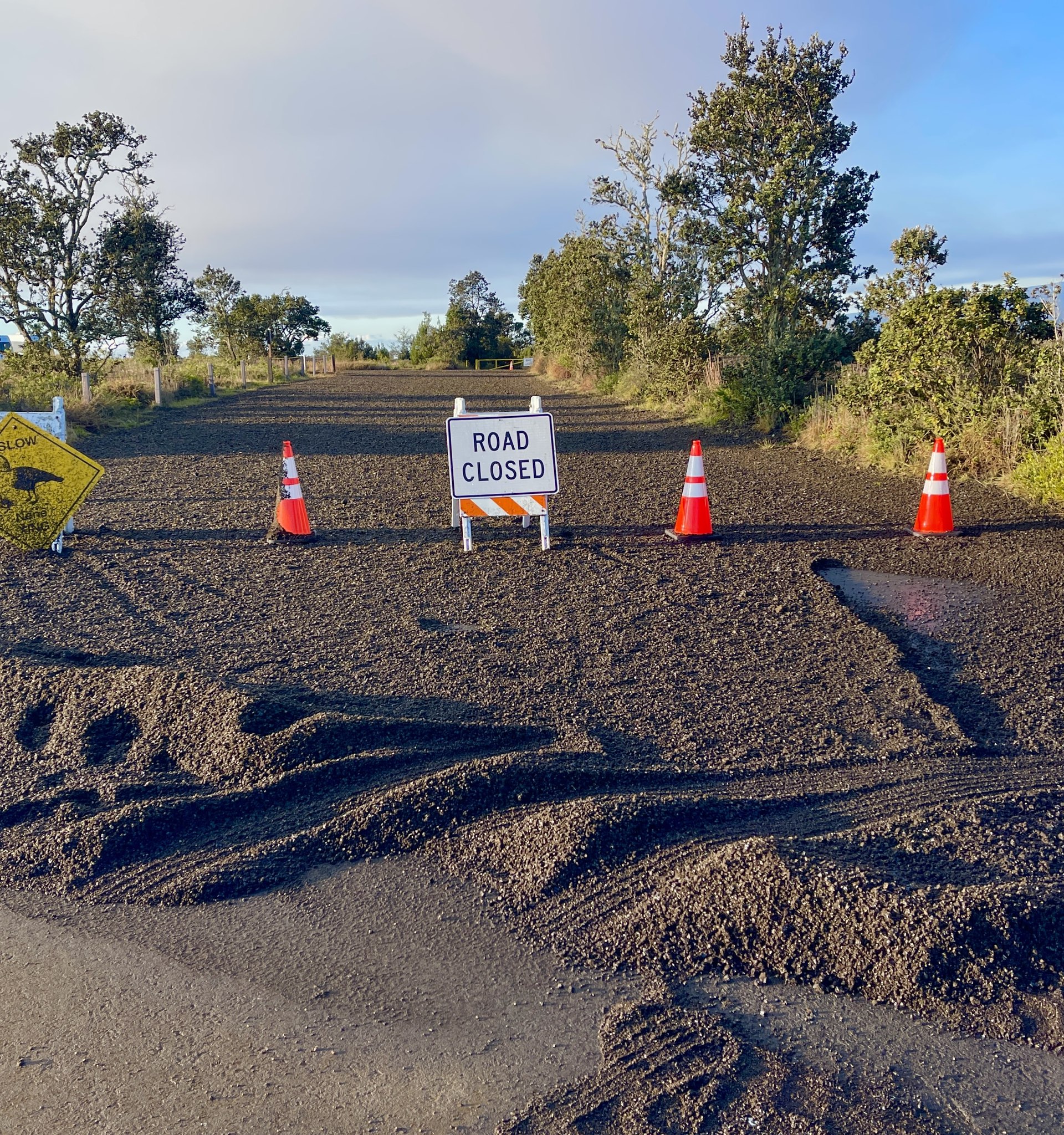
Kīlauea Overlook and Uēkahuna have reopened.
According to park officials, 14.1 million cubic yards of lava erupted during episode 41, covering up to 85% of Halemaʻumaʻu crater floor.
A National Park Service video below shows park staff clearing remaining tephra from Crater Rim Drive West on Sunday.
Lava fountaining to more than 1,600 feet high were part of the ongoing episodic summit eruption of Kīlauea volcano — within Halemaʻumaʻu Crater inside the summit caldera at Hawaiʻi Volcanoes National Park.
Most lava fountaining episodes since the eruption started Dec. 23, 2024, continued for a day or less.
Residents with volcanic debris on their roof or have a water catchment system should take this time to disconnect their catchment tank and clear the volcanic debris from the roof and gutter.
Residents who need additional assistance should complete a Community Needs Assessment and Request for Assistance Survey.
Those who need assistance but do not have access to the online survey can call Hawai‘i County Civil Defense at 808-961-8011.