

Underground fuel tanks on Maunakea will be replaced with modern system, meeting state standards
The University of Hawaiʻi at Hilo Center for Maunakea Stewardship is advancing environmental stewardship on the mauna by replacing underground fuel storage tanks at Halepōhaku, the midlevel facilities, with a modern system.
A draft environmental assessment (EA) is being prepared under the oversight of the Maunakea Joint Management Committee, a partnership between the Center for Maunakea Stewardship and the Mauna Kea Stewardship Oversight Authority.
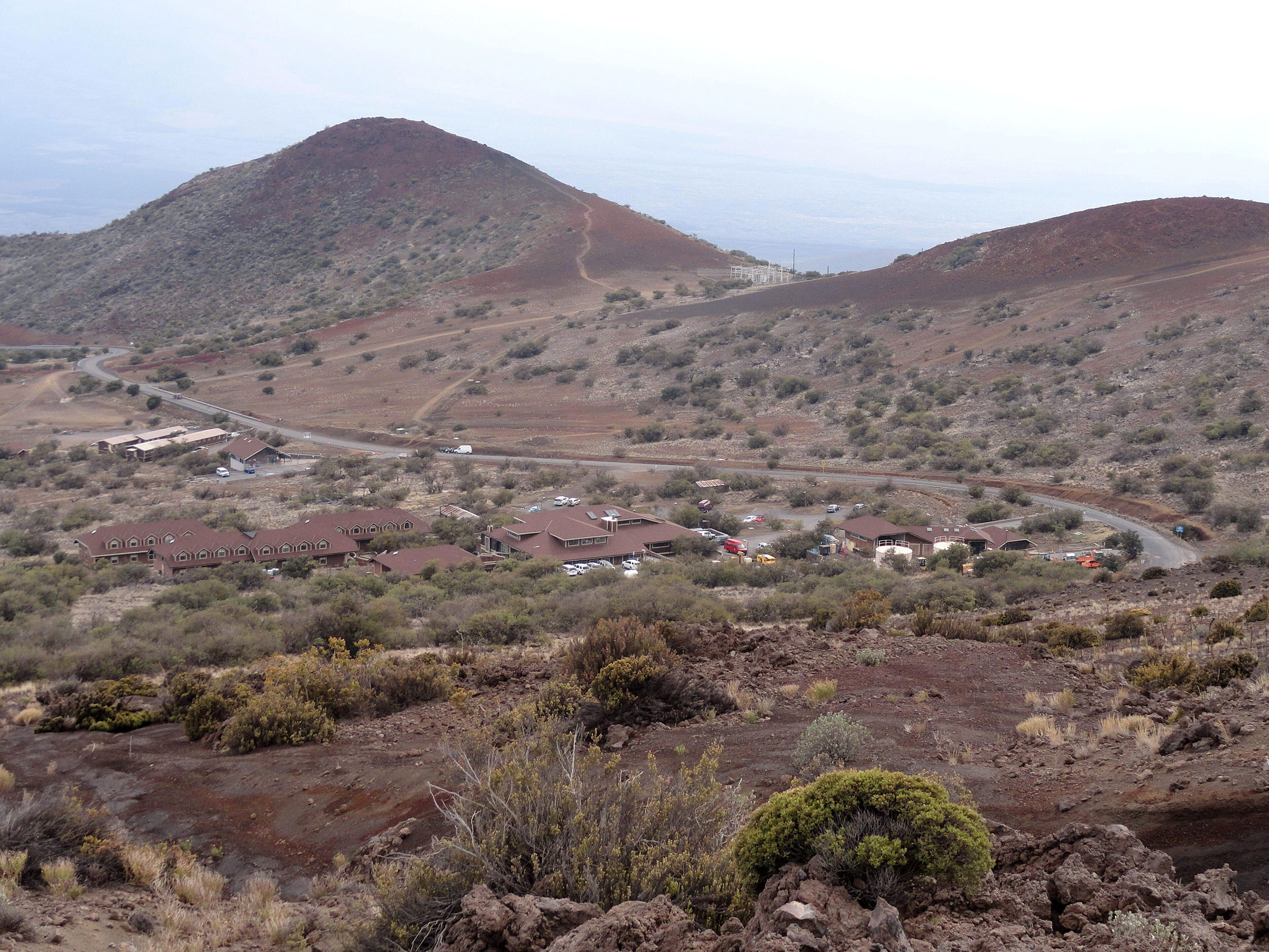
The University of Hawaiʻi is removing the underground fuel storage tanks to meet a 2028 state regulatory deadline. Under the state rule, any tanks built before Aug. 9, 2013, must be upgraded with additional safety protection by July 15, 2028.
If they are not upgraded by then, they must be permanently shut down.
The project will replace three underground fuel tanks and buried fuel lines with two smaller, aboveground double-wall tanks. The new tanks will sit on a concrete pad with built-in pumps and a containment berm and will reduce the facility footprint from approximately 1,945 square feet to 322 square feet and lowers fuel storage capacity from 18,000 gallons to 6,000 gallons.
Fuel stored at Halepōhaku is vital for snowplows and heavy machinery that keep Maunakea’s roads clear and safe. Storing fuel on the mauna also reduces emissions by limiting the number of trips needed to haul fuel up the mountain.
“Fuel storage is critical for keeping Maunakea’s roads safe and accessible during weather events and natural disasters,” said Greg Chun, executive director of the Center for Maunakea Stewardship. “Following publication of the draft environmental assessment, we look forward to gathering public input so this project reflects both essential needs and our shared commitment to stewardship.”
Environmental consulting firm Sustainable Resources Group International Inc. has been hired to prepare the draft environmental assessment by assessing the project site, studying potential impacts, and conducting a Ka Paʻakai analysis (ensuring the project will not affect Native Hawaiian traditional and customary rights).
As part of this work, it is reaching out to stakeholder agencies and individuals with knowledge of Native Hawaiian traditional and customary practices connected to the area.
The project area is in a previously disturbed utilities yard and is not known to be used by cultural practitioners or visitors. One māmane tree will be removed, though 40 new trees have already been planted nearby as part of restoration efforts. No historic sites will be directly affected. An archaeological monitor will be present during ground work.
“True stewardship of Maunakea requires laulima, working together with the community,” said John De Fries, executive director of the Mauna Kea Stewardship Oversight Authority. “As this process advances, there will be opportunities for manaʻo from the public to help guide this project with respect and responsibility.”
When the draft environmental assessment is published in the Hawaiʻi Office of Planning and Sustainable Development’s Environmental Notice, the public will have 30 days to provide comments.
Community members, cultural practitioners, and other stakeholders are invited to share their perspectives to help shape the final decisions. All feedback will be reviewed by the project team, and adjustments to the proposed action may be made based on the input received.