


MOKU O HAWAI‘I
CANOE RACES
 May 3, 2025 - August 23, 2025

Mauna Kea state authority visits Nāʻālehu to collect public input for strategic framework draft
A community gathering Wednesday night in the southernmost town of Hawaiʻi Island raised new questions for the Mauna Kea Stewardship and Oversight Authority whose 12 board members have been working on a draft of the strategic framework, which will guide the management of the mountain that is sacred to Native Hawaiians and important to astronomers and scientists.
“We need everyone’s help at every step,” said John Komeiji, the authority’s board chair, at the talk story in Nāʻālehu. “We are searching for answers because we do not have them all.”
He said one major reason the authority was created in 2022 by the State Legislature was due to a lack of communication and transparency about Mauna Kea.
“We know that to be successful is to communicate with all our communities,” he said. “It is a pillar of our mission.”
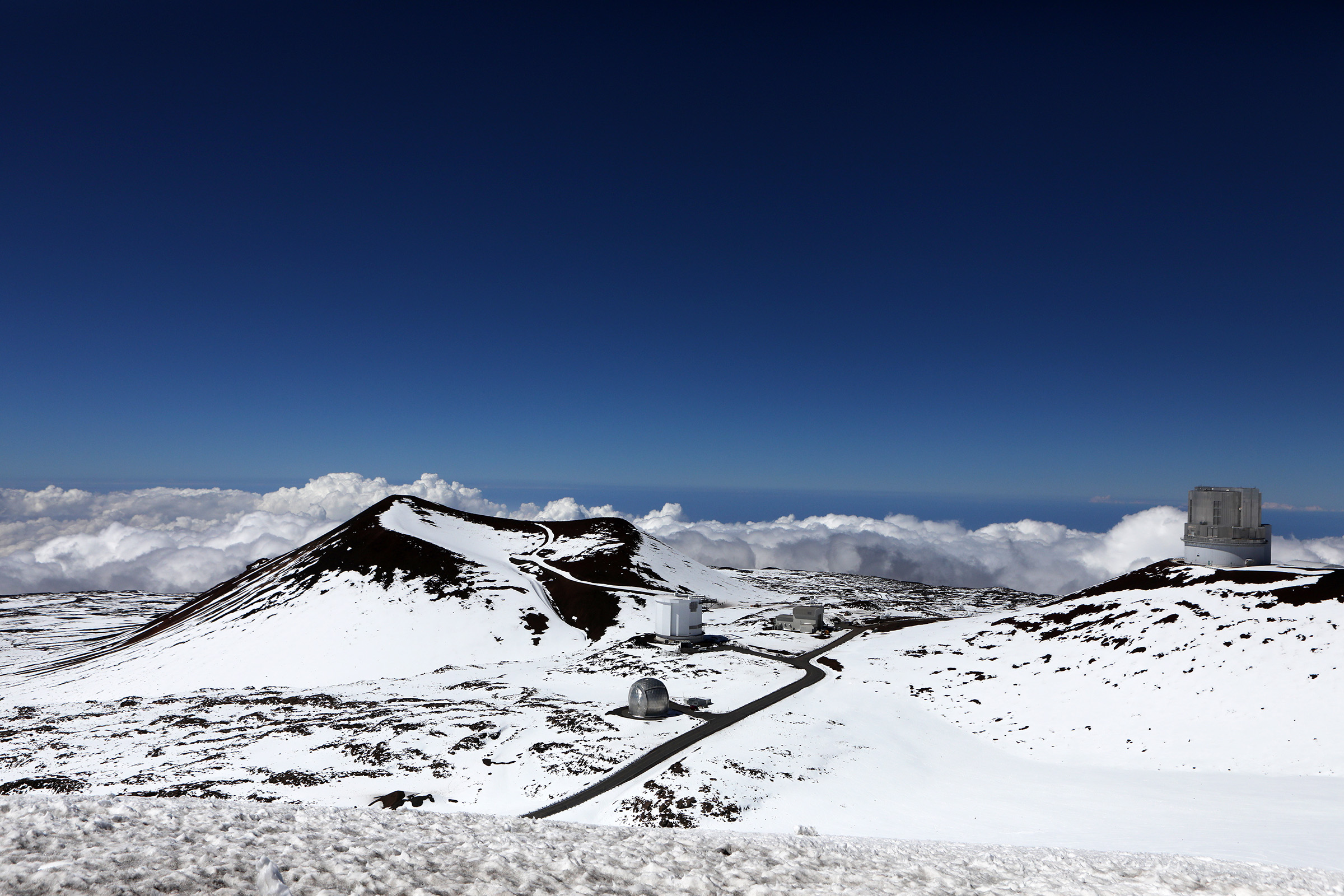
The Mauna Kea Stewardship and Oversight Authority currently is in a five-year transition period before taking full control of the mountain’s management on July 1, 2028, from the University of Hawaiʻi that had been overseeing Mauna Kea since 1968.
The board has been collaborating with the community to form its strategic framework, which ultimately defines the oversight authority’s mission and purpose and establishes guiding principles to support the management and stewardship of the mountain.
On Wednesday evening, about 10 community members attended the public session to learn about the agency’s background and history, meet board and staff, receive an introduction to the strategic framework draft, and participate in a breakout session to discuss the draft.
“If we were to address the seemingly huge divided gap on this issue, you would see that the gap is not that wide at all,” said John De Fries, executive director of the Mauna Kea Stewardship and Oversight Authority. “There just overall needs to be more clarity and better processes.”
The broad mission of the authority now includes maintaining the integrity of Mauna Kea, embracing accountability to Mauna Kea and perpetuating Hawaiian cultural values embedded in the mauna, challenging the status quo and following kānāwai (four laws of nature that govern Native Hawaiian relationships to the ʻāina).
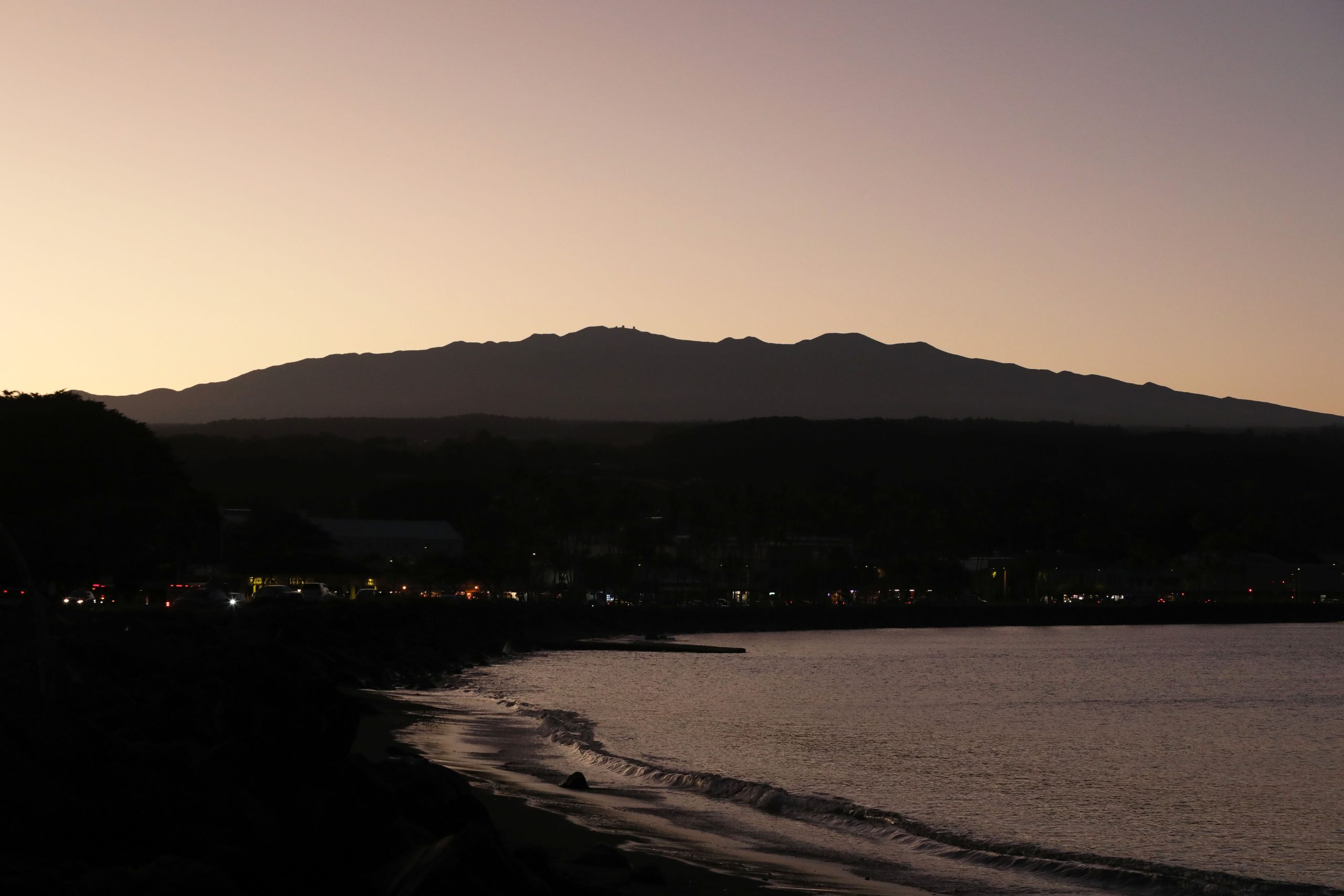
Over the years, there have been protests and lawsuits about the University of Hawaiʻi’s management of the mountain. But it was a 2019 clash between culture and science over the construction of the Thirty Meter Telescope that brought worldwide attention and spurred the state to act.
“The Mauna Kea Stewardship and Oversight Authority came to be as a way to give voice and power to those who did not have it before,” Komeiji said. “This is an experiment about whether or not this framework can be a way for us to move forward. If everyone can sign off. That is a powerful, small step in the right direction.”
The strategic framework does not serve as the management plan; however, the document will guide the development of a plan and future proposals. Currently, the guiding principles of the Authority are:
- Significance of the mauna: Only activities reflecting the highest standards and practices should be allowed within the ecologically fragile environment of Mauna Kea.
- Land use controls: Human activity may be authorized for specific purposes, subject to regulatory oversight and restoration of the site upon conclusion of the permitted use.
- Land use regulations: These will control impacts, foster coexistence of users, minimize ground disturbance, and promote sustainable land uses and practices.
- Protection of Native Hawaiian rights: As set forth in the Hawaiʻi State Constitution, traditional and customary Native Hawaiian rights shall be supported and protected without unduly burdening individuals exercising these rights.
- Plans and permitted activities: These will appropriately incorporate indigenous management and cultural processes and values. Initiatives should increase understanding of Native Hawaiian history and cultural practices related to Mauna Kea.
- Support of astronomy: The support of astronomy, consistent with a mutual stewardship paradigm that supports the balance of ecology, the environment, natural resources, cultural practices, education and science.
- Restoration of natural resources: The management of human activity on the Mauna, including interactions with and restoration of natural resources through an ecosystem approach.
- Commitment to community engagement: Planning and execution of programs will involve dialogue with Moku o Keawe (Hawaiʻi Island), such as the general public, cultural practitioners, experts of the land and natural resources, educators, and scientists.
While the first part of the meeting focused on the guiding principles and overall mission of the Mauna Kea Oversight Authority, the breakout session allowed an open dialogue between community members and the board about what they want to see added or removed from this document and questions about the next steps.

Attendees focused on the broad themes of the framework, suggesting there should be a clearer explanation of Kānāwai, the use of ʻŌlelo Hawaiʻi as the primary language, and more imagery in the drafted framework to better articulate what the authority hopes to accomplish.
There also were questions about the actions and future implementation of the management plan.
“There are going to be a lot of people in these next meetings who will ask about the logistics or ‘nitty gritty’ of how this will be implemented. That part is a sticking point in communities,” said Kamuela Plunkett of Waimea. “While we understand the significance of what you all are doing, there will be questions about how you would make a final decision.”
Kaʻū resident Nohealani Kaʻawa asked about how the mountain can coexist as a space for spiritual and cultural significance and for astronomy, as well as how the authority will determine what is the highest standard of activity allowed on the mountain.
“I think there is still room to dive into the traditional ways that our ancestors used the mountain in this draft,” Kaʻawa said. “(Kaʻū) has a stewardship of experts from different fields of what they know, and I think that is an example of what could springboard into something bigger than we think.”
Board members documented the attendees’ thoughts during the meeting and will continue to add them to the notes as meetings proceed.
A Request for Proposals has closed for a contractor to write the new Management Plan for the Mauna Kea Stewardship and Oversight Agency, as part of Act 255.
“Right now, there are good things going on up there — educational resources for students, children. It will be up to all of us to take care of Mauna Kea for the future generations,” said Noe Noe Wong-Wilson, vice first chair of the board. “We have a lot to achieve in a short amount of time, but we are ready to put in the effort.”
According to Wednesday’s agenda, four other Talk Stories will be held:
- Kona, Aug. 27: West Hawaiʻi Civic Center
- Hāmākua, Sept. 3: Laupāhoehoe Community Public Charter School Cafeteria
- Waimea, Sept. 17: Kahilu Town Hall
- Hilo, Sept. 24: UH Hilo, Hale ʻŌlelo
For further information or updates on the Mauna Kea Stewardship and Oversight Authority, click here.
Comments
2025 Race Schedule
| Date | Club / Race | Site | Ev. | Sponsor |
|---|---|---|---|---|
| May 03 | Hoemana – Kai Kukini | Spencer Park | LD | Hoemana |
| May 10 | Kawaihae | Kawaihae | LD | Kawaihae |
| May 17 | Kai‘Ehitu / Papa Kimetete | Kailua-Kona | LD | Kai‘Ehitu |
| May 24 | Keauhou | Kailua-Kona | LD | Keauhou |
| May 31 | Hui Wa‘a O Waiākea / Ira & Barbara Kekaualua | Hilo Bay | LD | Hui Wa‘a |
| Jun 07 | Kai ‘Ōpua / King Kamehameha Day | Kailua-Kona | LD | Kai ‘Ōpua |
| Jun 14 | Kailana | Hilo Bay | Reg. | Kailana |
| Jun 21 | Keaukaha | Hilo Bay | Reg. | Keaukaha |
| Jun 28 | Puna | Hilo Bay | Reg. | Puna |
| Jul 05 | Kamehameha Hilo / John Kekua Jr | Hilo Bay | Reg. | Kamehameha |
| Jul 12 | Paddlers of Laka / Nā Wa‘a Hanakahi | Hilo Bay | Reg. | Laka / Nā Wa‘a |
| Jul 19 | Aunty Maile / Moku O Hawai‘i Championship | Hilo Bay | Reg. | TBA |
| Aug 02 | Hawaiian Canoe Racing Assn. States | Hanakao‘o Beach Pk, Lahaina | Reg. | Maui |
| Aug 09 | Miloli‘i | Miloli‘i | LD | Miloli‘i |
| Aug 16 | Keōua / Calvin Kelekolio | Honaunau | LD | Keōua |
| Aug 23 | Waikoloa / Great Waikoloa Race | Anaeho‘omalu Bay | LD | Waikoloa |