


Feds sue Hawaiʻi for claimed preferential treatment of people living in nation without permission
U.S. Department of Justice recently filed its final four lawsuits against three states, including Hawaiʻi, and the District of Columbia in which the federal government says they seek to undermine federal law by placing people living in the nation illegally instead of citizens in clear defiance of Congress’s commands.
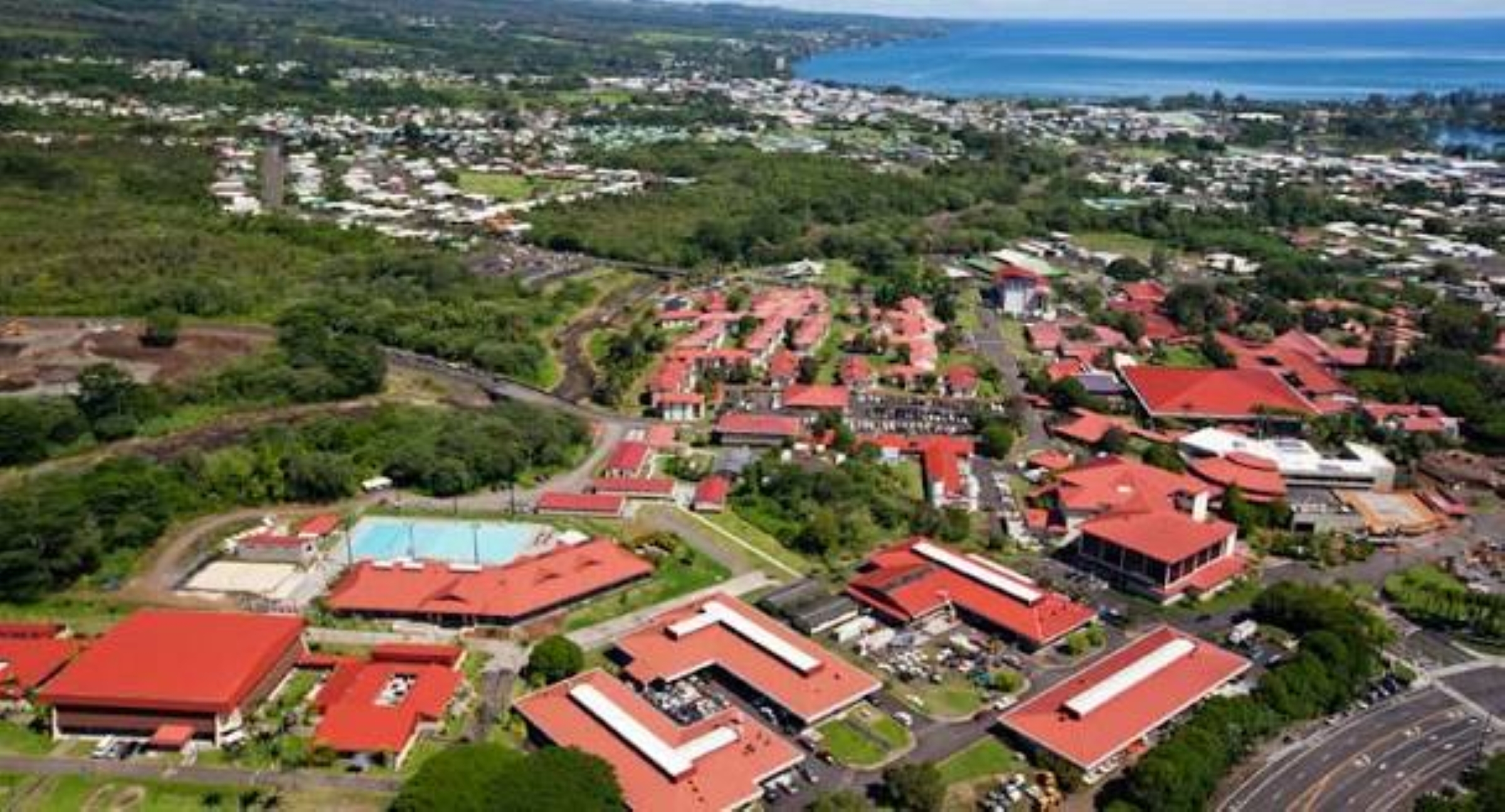
Lawsuits were filed by the Justice Department against Hawaiʻi, District of Columbia, Arkansas and Utah, challenging laws in each of them that provide in-state tuition and financial assistance for those without legal permission to be in the country.
The complaints claim these laws unconstitutionally discriminate against U.S. citizens who are not afforded the same reduced tuition rates or scholarships, create incentives for residents who did not enter the country legally and reward them with benefits U.S. citizens are not eligible for, all in direct conflict with federal law.
These final lawsuits come after U.S. District Court for the District of Kansas ruled unconstitutional a Kansas state law allowing in-state tuition for people in the nation without legal permission.
“No more placing illegal aliens over American citizens on this Department of Justice’s watch,” said Associate U.S. Attorney General Stanley E. Woodward Jr. “We have now sued every state across our nation that has a state law or regulation granting illegal aliens in-state tuition. We look forward to favorable court rulings and will continue to deliver on President [Donald] Trump’s promise: illegal aliens will not receive benefits denied to American citizens.”
The United States government seeks to enjoin enforcement of Hawaiʻi, District of Columbia, Arkansas and Utah laws and regulations that require colleges and universities to provide in-state tuition rates for all people who moved from outside the country who maintain in-state residency, regardless of whether they are lawfully present.
Additionally, the complaint seeks to enjoin the three states and district from enforcing their state laws and regulations that afford financial assistance and scholarships to people who entered the United States without legal permission.
The latest lawsuits bring the Justice Department’s total to 25 lawsuits challenging in-state tuition for people living in the nation illegally.
Six lawsuits in Texas, Kentucky, Oklahoma, Nebraska, Illinois and Kansas resulted in favorable orders permanently enjoining and declaring unconstitutional similar laws that gave reduced tuition to residents in the nation without permission.
“This is a simple matter of federal law: colleges cannot provide benefits to illegal aliens that they do not provide to U.S. citizens,” said Justice Department Civil Division Assistant Attorney General Brett Shumate. “This Department of Justice will not tolerate American students being treated like second-class citizens in their own country.”

University of Hawaiʻi at Mānoa offers three different levels of cost for attendance, including resident, western undergraduate exchange and non-resident. The total expense per year as of the 2025-26 academic year for each category is:
- Resident: $33,078.
- Western undergraduate exchange: $38,838.
- Non-resident: $55,110.
University of Hawaiʻi at Hilo offers the same three cost of attendance categories. Tuition per year as of the 2024-25 academic year in each category is:
- Residents: $25,816.
- Western undergraduate exchange: $29,488.
- Non-resident: $38,776.
Click here to find University of Hawaiʻi community college tuition costs, including Kauaʻi Community College and Hawaiʻi Community College.
To qualify for resident — or in-state — tuition, students must have been a bona fide resident of Hawaiʻi for at least 1 calendar year (365 days) prior to the semester for which they want resident tuition status.
“This applies to adults 18 years of age or older. If you are a minor [under 18 years of age], your parents or court-ordered guardians must have been bona fide residents for the calendar year in question,” says the University of Hawaiʻi at Mānoa website.
In addition, whether a student is an adult or minor, they must not have been claimed as a dependent for tax purposes by their parents or court-ordered guardians for the calendar year in question if they are not legal residents of Hawaiʻi.
According to state law, any person who is not a U.S. citizen, which the law calls an “alien,” can establish residence to the extent permitted by the federal Immigration & Nationality Act, which was enacted in 1952 and is the foundational body of federal law governing immigration, temporary migration, naturalization and citizenship in the United States.
The date of approval of such status shall be the earliest date upon which the 12-month residency requirement can begin to accrue.
“Resident status of every adult shall be established by the person’s own acts and intentions and shall not be derived from any other person, except as specifically provided otherwise,” says state law.