


Armed with guidelines, students across Hawaiʻi are set to return to school on August 3
With 2026-2027 school year two weeks away, the Hawaiʻi Department of Education sent out its policies, including a statewide cellphone restriction that prohibits usage during school hours.
8 hours ago
In two weeks, public school students will return to classrooms for the start of the new school year.
The official start date for public schools is set for Monday, Aug. 3, and the Hawaiʻi State Department of Education has released helpful reminders for families to ensure success and tips to support students’ learning journey.
Attendance
Attendance is a top priority for the Department of Education and a key measure of student success. Regular attendance means attending school at least 90% of the school year, and even missing only two days a month makes it harder for students to keep up with schoolwork, make friends, and form positive attitudes about school.
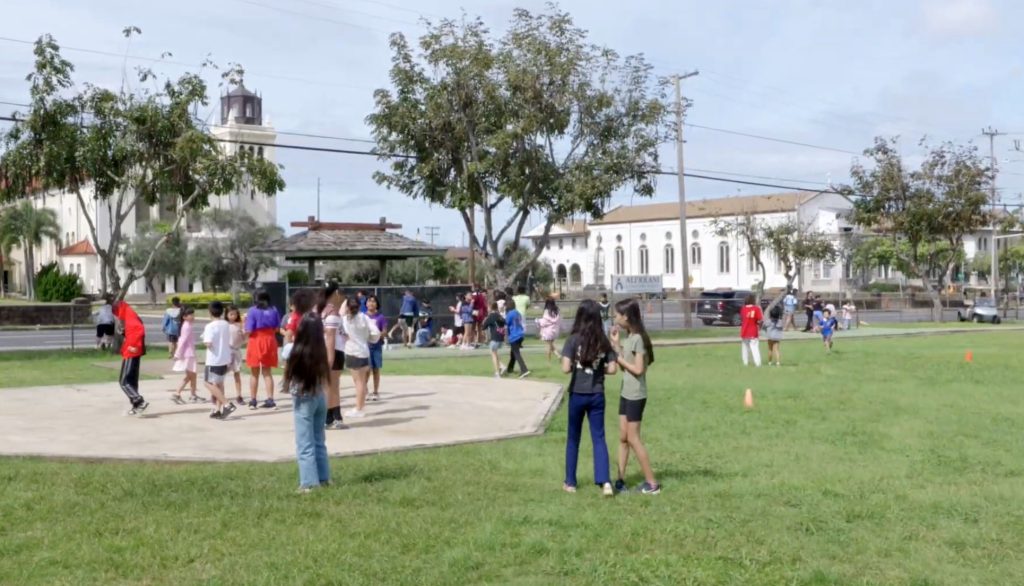
Students who consistently attend school are more likely to achieve academic excellence, graduate on time, develop strong social skills, and succeed in the workplace and in life. Attendance habits begin in elementary school and carry over through secondary school and into the workforce.
“When I was an elementary principal, we talked to parents all the time about the importance of building habits from kindergarten,” said Garrett Arakawa, principal at Pearl City High School. “Coming on time allows students to develop that ability to graduate on time, improves test scores, improves engagement of learning in the classroom, and improves relationships with both their peers and their teachers.”
Cellphone Policy
A new statewide cellphone policy for public school students goes into effect this upcoming school year. The Hawaiʻi State Board of Education adopted a first-ever statewide policy that established consistent expectations for students regarding cellphone use during the school day.
The policy covers all grade levels from kindergarten through 12th grade; however, high schools will develop and implement school-specific procedures. The policy includes:
- Elementary school: Cellphone use is prohibited during school hours.
- Middle and intermediate school: Cellphone use is prohibited during school hours.
- High school: Cellphone use is prohibited during instructional time. Schools may exercise discretion regarding use outside of instructional time, including before and after school, and during designated breaks, recess, lunch, and free periods.
“In high school, we believe our students have the ability to begin interacting with that technology. They will have the opportunity to utilize those cellphones during non-instructional time, which includes before school, during recesses and lunch and then after school,” Arakawa said. “They still have that ability to learn how to integrate with that device while still being present in their workspace, which is their learning time.”
School Transportation
School bus transportation is an option for students who are enrolled in a Department of Education public school that has bus service available. Students in kindergarten to 5th grade must reside one mile or more from their home school. Students in 6th to 12th grade must reside 1.5 miles or more from their home school.
The portal to apply for school bus service is now open and accepting applications. Applications must be submitted on a quarterly basis. Registration for the Department’s EXPRESS County Bus Pass is now open and accepting applications.
EXPRESS provides free county bus passes for eligible middle/intermediate and high school students. To qualify, interested students must attend their designated home school and reside at least 1.5 miles walking distance from the nearest public access point to the school.
According to Sean Tajima, assistant superintendent at the Department of Education’s Office of Campus Operations and Support, the bus vendors are working hard to recruit and retain their drivers.
“We ended the year, we’re opening the year with the same amount of bus drivers that we had when we closed the year,” Tajima said. “So fortunately, it hasn’t dropped.”
School Meals
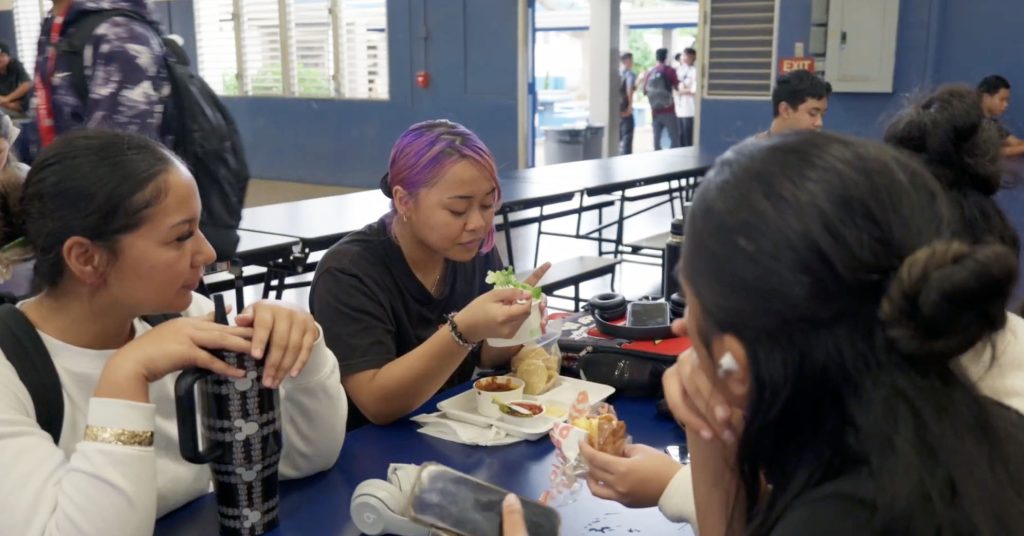
Beginning this school year, students from households with incomes at or below 300% of the federal poverty level are eligible for one free breakfast and one free lunch each school day under Act 139. Income guidelines and additional information are available online.
Families may apply for free meal benefits at any time during the school year through EZMealApp.com. For assistance with the application process, contact your child’s school directly.