


Feral pigs, other animals causing sanitary issues at Hilo Transfer Station
The Hawaiʻi County Council voted unanimously during a committee meeting to have the 150 to 200 feral animals that are causing havoc at the county property trapped and removed.
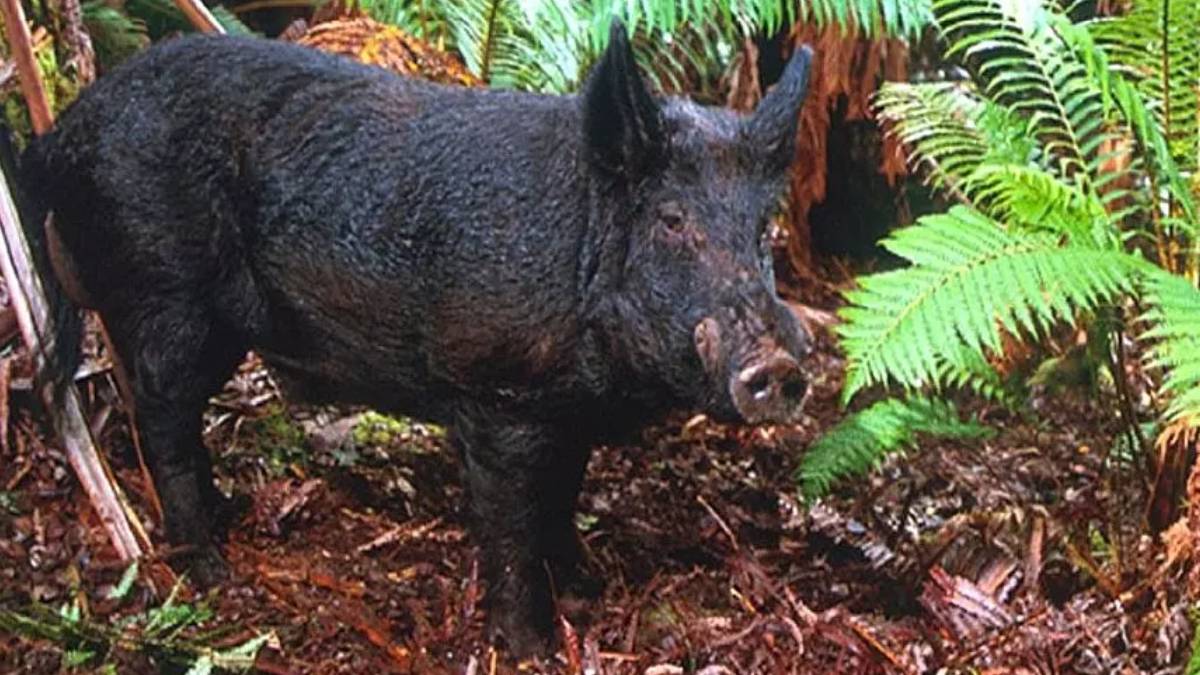
An estimated 150 to 200 feral pigs living around the Hilo Solid Waste Transfer Station are tearing up the land and defecating, causing sanitation issues and concerns over possible disease transmission.
To address the problem, Hawai‘i County is trying to partner with a federal agency to trap and remove the pigs and other animals that are wreaking havoc on the property.
On Tuesday, the Hawai‘i County Council’s Committee on Governmental Operations and External Affairs voted 9-0 to advance Resolution 594-26, which would enter the county into a cooperative service agreement with the United States Department of Agriculture’s Animal and Plant Health Inspection Service to fund the hiring of a supervisor to conduct trapping operations for a year for $111,845.
Mike Rivera, chief of the county’s Department of Environmental Management, told the council the animals are coming onto the property primarily after hours, when they feed.
“If you looked at our sort floor (where people go to dump their trash) at the end of the day, it would be perfectly clean,” Rivera said. “If you return at 5 to 6:30 in the morning, you’ll see the trash and litter strung out from the pigs. That’s what we’re trying to control and hope for your support.”
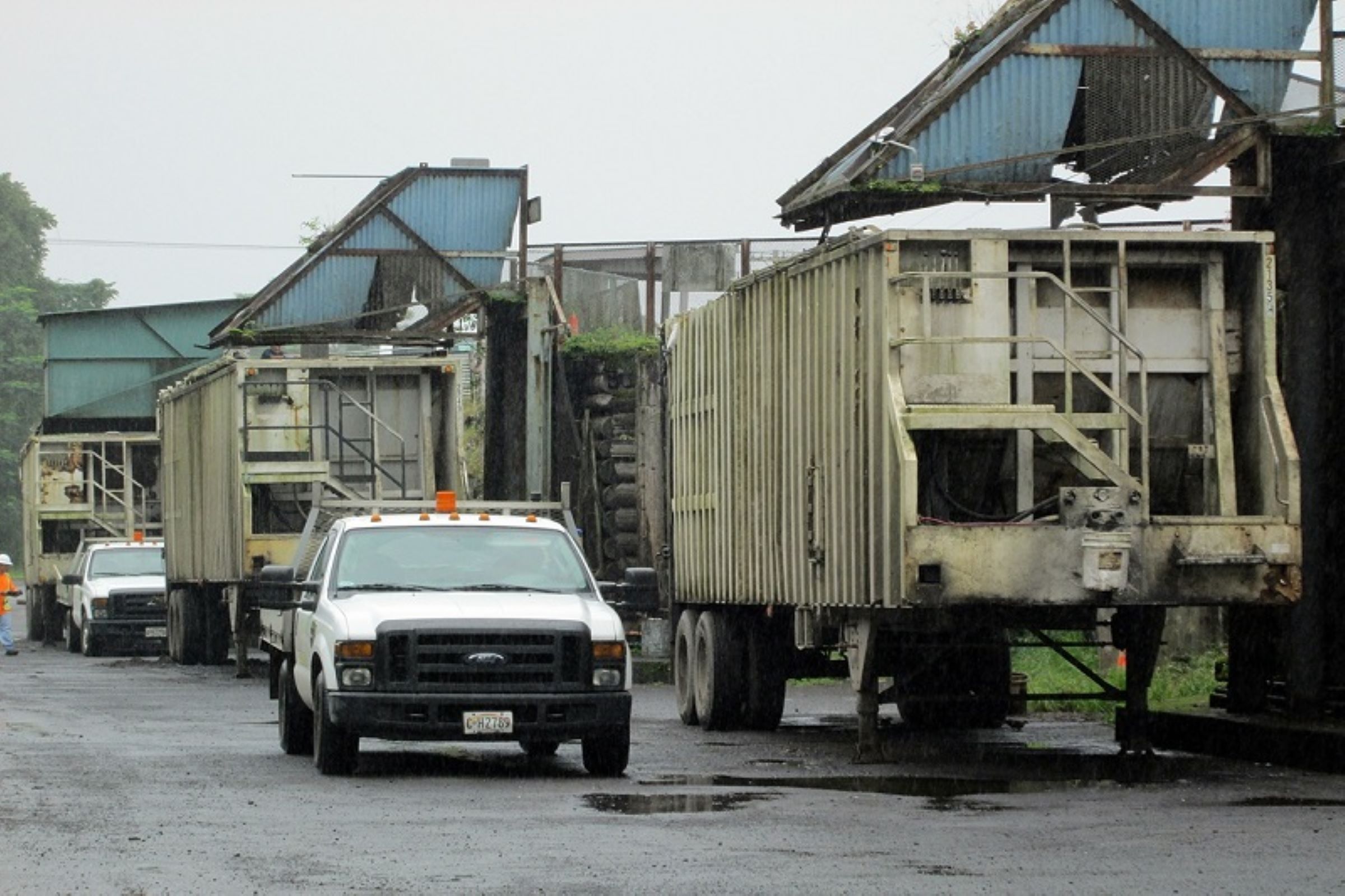
Hawai‘i County Council Member Matt Kaneali‘i-Kleinfelder said he’s frequently seen people at the transfer station feeding pigs and chickens. He recommended the county conduct public education about not feeding any wild animals.
Rivera acknowledged that public feeding of the animals is happening and that his department is trying to enforce a law passed by the county council last year that banned the feeding of feral animals on county property.
“But it’s a very emotional item, and it’s very challenging by ourselves,” Rivera added.
During the meeting, Jordan Linnell, district supervisor for USDA Wildlife Services, told the council they are proposing conducting trapping operations outside of business hours to “remove that threat to public health and human safety.”
Linnell told the council the pigs carry diseases such as the swine flu, a respiratory virus known as pseudorabies, along with brucellosis, a disease that is transferable to humans, typically by touching or handling infected animal saliva, blood, urine or body fluids, or experiencing animal bites and scratches.
The money would pay for the salary and benefits of one new employee who would work in a supervisory role.
According to the resolution, the proposed program’s major goals are to reduce the damage to the facility caused by a variety of animals, including cats, rats, pigeons, myna birds and egrets.
But pigs will be the focus.
“The program’s operations shall include the trapping, removal and coordinated disposal of feral swine,” the resolution states.
To catch the pigs, Linnell explained to the council they would set up corral traps, which would allow the supervisor and county employees to bait the traps and catch as many pigs at once and remove them.
According to the resolution, the agreement will allow the USDA’s Wildlife Services to conduct trapping, removal and coordinated disposal of feral pigs using corral traps, surveillance cameras and firearms.