


Fed suspension of Hawaiʻi Medicaid Fraud Control Unit funding has no impact on benefits, services
A U.S. government decision to deny recertification of Hawaiʻi Medicaid Fraud Control Unit resulted in suspension of federal funding that pays for the unit’s operations, responsibilities and functions.
The suspension is effective until the current funding period expires Sept. 30.
State officials were quick to reassure residents — in an effort to curb any misunderstanding or fear — that the suspension of fraud unit funding has no impact on eligibility, benefits, services, provider payments or federal dollars for Hawaiʻi’s Medicaid program, which remains in good standing with Centers for Medicare & Medicaid Services.
“The Medicaid program provides essential healthcare coverage to hundreds of thousands of Hawaiʻi residents and we want our members, providers and community partners to know that their benefits and services will continue without interruption,” said Hawaiʻi Department of Human Services Director Joseph Campos II in a state release following news of the funding suspension.
Campos said Hawaiʻi’s Medicaid budget is $2.3 billion, with 60% — or $1.38 billion — coming from the federal government.
About 461,500 people in Hawaiʻi are enrolled in Medicaid, or about 1 in 3 residents — roughly 32% of the state’s total population.
It is one of the largest health insurers in the islands.
Federal Trade Commission Chairperson Andrew Ferguson did issue a slight warning Friday during a news conference, however, saying an ineffective Medicaid Fraud Control Unit “can jeopardize the state’s access to Medicaid money generally.”
Hawaiʻi receives about $3 million per year from the federal government to fund the Hawaiʻi Medicaid Fraud Control Unit. It and its sibling agencies throughout the United States are mandated by federal law to fight Medicaid fraud and protect patients from abuse and neglect.
The U.S. government spends nearly $500 million each year to fund state fraud control units.
That significant investment — paid for by taxpayer dollars — is truly at the core of the decision to deny the state’s April 2 recertification request and subsequently suspend funding.
Taxpayers “rightly expect the Hawaiʻi Medicaid Fraud Control Unit to comply with federal law and use those millions of federal dollars to effectively fight Medicaid fraud and protect patients in Hawaiʻi from abuse and neglect,” wrote Inspector General T. March Bell in his letter explaining his office’s decision.
Hawaiʻi, unfortunately, falls short of those expectations — and has for many years.
Bell added Hawaiʻi Medicaid Fraud Control Unit also has not met its legal requirements at the same time, despite his office’s efforts to help improve the Hawaiʻi unit’s effectiveness, including three on-site reviews since 2014 and making recommendations.
Bell said the Hawaiʻi unit is unable to sustain effective performance and all of the collaborative efforts did not produce necessary results, with its performance getting even worse in recent years.
Between 2022 and 2025, Hawaiʻi Medicaid Fraud Control Unit did not obtain a single conviction for Medicaid fraud. Worse yet, it didn’t even obtain an indictment.
“Not a single Medicaid fraud indictment or conviction, despite receiving approximately $12 million federal tax dollars to fight Medicaid fraud during that period,” Bell wrote. “Enough is enough.”
Hawaiʻi Department of the Attorney General balked at the federal correspondence and media reports focusing so heavily on criminal case numbers.

“They do not fully reflect the work performed by Hawaiʻi’s Medicaid Fraud Control Unit,” said the AG department in a statement. “Medicaid fraud enforcement s not measured solely by convictions. It includes preventing fraud, recovering taxpayer dollars, protecting beneficiaries and pursuing appropriate civil and criminal remedies based on the facts and the law.”
Since 2021, the department pointed out, the unit secured or help secure more than $14 million in judgements, settlements and recoveries; paused civil enforcement actions; investigated allegations of provider fraud and prosecuted cases involving the abuse and neglect of vulnerable people.
“We strongly disagree with any suggestion that Hawaiʻi has failed to take Medicaid fraud seriously,” the state Department of Attorney General said. “The department will continue working to strengthen enforcement efforts, protect public resources and ensure accountability for those who abuse the Medicaid program.”
With that said, it does recognize the seriousness of the federal government’s concerns and treating the matter with urgency.
It mobilized additional personnel and resources from multiple divisions to conduct a comprehensive review of findings, prepare a formal response and pursue all available avenues to preserve and strengthen Medicaid fraud enforcement efforts.
“The [Hawaiʻi] Department of the Attorney General remains committed to protecting Medicaid beneficiaries, safeguarding public funds and holding accountable those who commit fraud, abuse or neglect,” it’s statement said.
Officials intend to seek reconsideration of the decertification and funding suspension decision, continuing to work closely with federal partners to address concerns and demonstrate the full scope of Hawaiʻi Medicaid Fraud Control Unit’s work.
Hawaiʻi Gov. Josh Green agreed with the state AG’s office: the findings outlined by the inspector general are serious and deserves a serious response. Hawai’i takes Medicaid fraud seriously.
Green’s Administration was already taking steps — before the federal government issued its decision — to strengthen oversight and accountability with the creation of an independent Medicaid Fraud Strike Force within the state Department of Human Services.
“Our goal is straightforward: protect vulnerable residents, safeguard taxpayer dollars and ensure every available tool is being used to identify and address fraud, waste and abuse,” Green said.
The strike force will recommend corrective actions, assist in recovering taxpayer dollars where appropriate and strengthen systems designed to protect Medicaid recipients and public funds.
It will be supported by experienced legal professional, former federal prosecutor and former White House Deputy Counsel Mike Purpura, who brings extensive expertise in complex investigations, fraud enforcement and coordination with federal law enforcement agencies and partners.
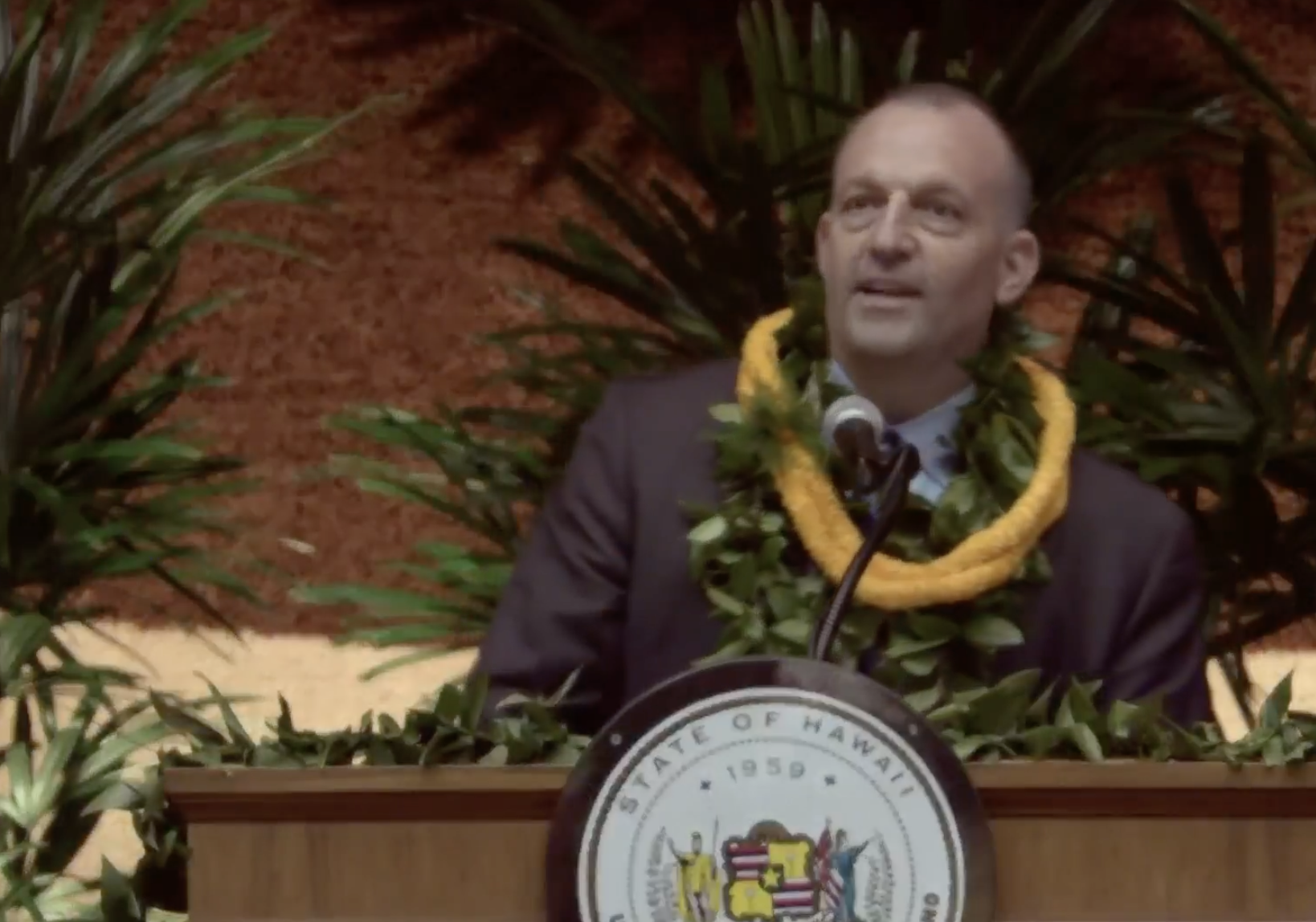
“We welcome collaboration with our federal partners and share the common goal of protecting taxpayers, safeguarding vulnerable residents and preserving Medicaid for those who rely on it,” Green said. “This effort is about restoring confidence, improving accountability and ensuring Hawaiʻi meets the highest standards of program integrity.”
Campos added the state welcomes the opportunity for additional accountability.
“The Medicaid Fraud Strike Force will help ensure Hawaiʻi is using every available resource to protect public funds, while preserving access to care for those who depend on Medicaid,” he said.
Sponsored Content


Subscribe to our Newsletter
Comments