


Hawaiian Electric: Be prepared well before a storm strikes
With an above-average outlook for the 2026 hurricane season, Hawaiian Electric encourages customers to be prepared and have emergency plans in place.
Forecasters project five to 13 tropical cyclones in the Central Pacific this year. Hurricane season runs from June through November, and even a single storm can have significant impacts on island communities.
As seen during the March kona low events, even unnamed storm systems can cause widespread flooding and damage.
Downed trees and vegetation are the most common causes of power outages during severe weather. Branches and other debris blown by strong winds can contact power lines or damage electrical infrastructure. High winds, rain and lighting can slow down restoration efforts.
Hawaiian Electric crews work year-round to strengthen and modernize our island grids. Efforts to improve resilience include reinforcing poles and lines, upgrading equipment, enhancing system automation, and proactively managing vegetation to reduce outages and support faster restoration.
Hawaiian Electric in 2025 throughout the state:
- Replaced 1650 poles.
- Upgraded 815 poles.
- Trimmed trees/vegetation along 2,334 miles of circuits.
Customers are encouraged to review Hawaiian Electric’s Handbook for Emergency Preparedness and other resources available on the Hawaiian Electric website.
Printed copies are available for free at City Mill, Hawai‘i State Public Library System branches, U.S. Navy Exchange and Marine Corps Base Hawai‘i.
Hawaiian Electric urges customers to develop their own emergency plans and consider these important tips:
- Build your emergency kit: Include a battery-powered radio, flashlights, lanterns and extra batteries.
- Stock up on essentials: Have enough water, nonperishable food, medications and hygiene supplies for at least 14 days for your household and pets.
- Protect your electronics: Unplug sensitive equipment during a storm or outage; reconnect gradually once power is stable.
- Know your breakers: Turn off electricity at your main breaker if evacuating.
- Plan for medical needs: If you rely on electrically powered medical equipment, arrange backup power or identify a safe alternate location.
- Use generators safely: Follow manufacturer instructions and never operate generators indoors or near windows.
- Stay clear of hazards: Treat all downed power lines as energized — stay at least 30 feet away and report them.
- Keep contacts handy: Maintain a list of important phone numbers, including emergency services and healthcare providers.
Follow Hawaiian Electric at:
- Hawaiian Electric website.
- X: @HwnElectric; @hielectriclight.
- Facebook.
- Mobile app: Free download available on The App Store for iPhones and Google Play for Androids.
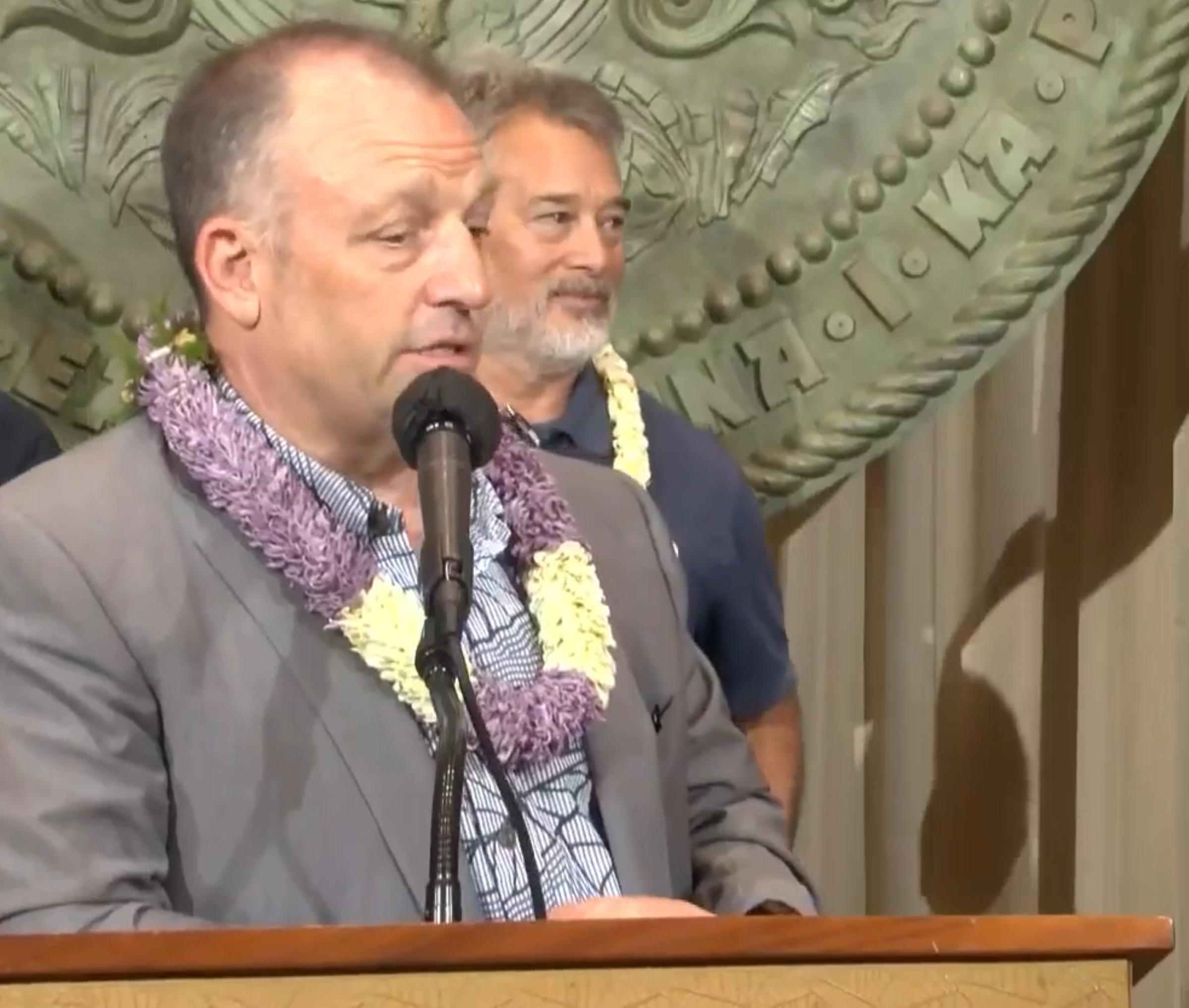
“As we enter hurricane season, we are reminding everyone in Hawai‘i that preparedness saves lives,” said Gov. Josh Green during a press conference in mid-May to announce the 2026 hurricane season outlook. “Our administration is committed to a unified, statewide approach that brings together county, state and federal agencies to protect our communities. When we prepare early and work in coordination, we strengthen resilience across Hawai‘i.”
Green — alongside state and county emergency management and civil defense administrators as well as National Weather Service personnel and others — reinforced the importance of readiness before a storm threatens.
Hawai‘i Emergency Management Agency Administrator James Barros encouraged residents to review their emergency plans, build or refresh disaster supply kits and stay informed through trusted, official sources throughout hurricane season.
“No single agency prepares for hurricane season alone. Effective emergency management depends on trusted partnerships, coordinated planning and clear public communication. [Hawai‘i Emergency Management Agency] is focused on bringing those pieces together so that communities across Hawai‘i are better prepared before a storm and better supported if one occurs,” Barros said.
Residents are encouraged to follow guidance from Hawai‘i Emergency Management Agency, county emergency management and civil defense agencies as well as National Weather Service.
Online resources
- Information about hurricanes: https://dod.hawaii.gov/hiema/hurricane/
- Information about county alerts: https://dod.hawaii.gov/hiema/get-ready/
- Weather and storm information from National Weather Service: https://www.weather.gov/