

Hawai‘i Community College offering training program for wastewater, cesspool conversion specialists
The clock is ticking for all cesspools in the State of Hawaiʻi to be removed and replaced by 2050 as mandated by a 2017 state law.
With the recent historic rainfall from the Kona low storms and flooding across Hawaiʻi, the impacts of failing and outdated wastewater infrastructure were brought into focus — and highlight the need to address cesspools.
Across the state, there are 83,000 cesspools that play a role in contaminating floodwaters, threatening public health, damaging fragile ecosystems, and increasing the risk of pollution reaching beaches, streams and drinking water supplies.
The Hawaiʻi Community College in Hilo and UH Maui College launched a new certificate program that trains students to assist contractors and engineers who are working on cesspool conversions and installations of more sustainable systems.
The Onsite Wastewater Treatment Systems Specialist Certificate provides training opportunities for students to quickly enter the wastewater industry and obtain sustainable employment.
In 2017, the Hawaiʻi State Legislature passed Act 125, commonly known as “the cesspool ban.” The act mandates that all cesspools must be removed and replaced by 2050. However, since the act was passed almost 10 years ago, little progress has been made to meet the goal, partially because Hawaiʻi lacks the workforce to tackle the issue, said a press release from Charlotte Cheek, project coordinator and instructor for the colleges’ Workforce for Water.
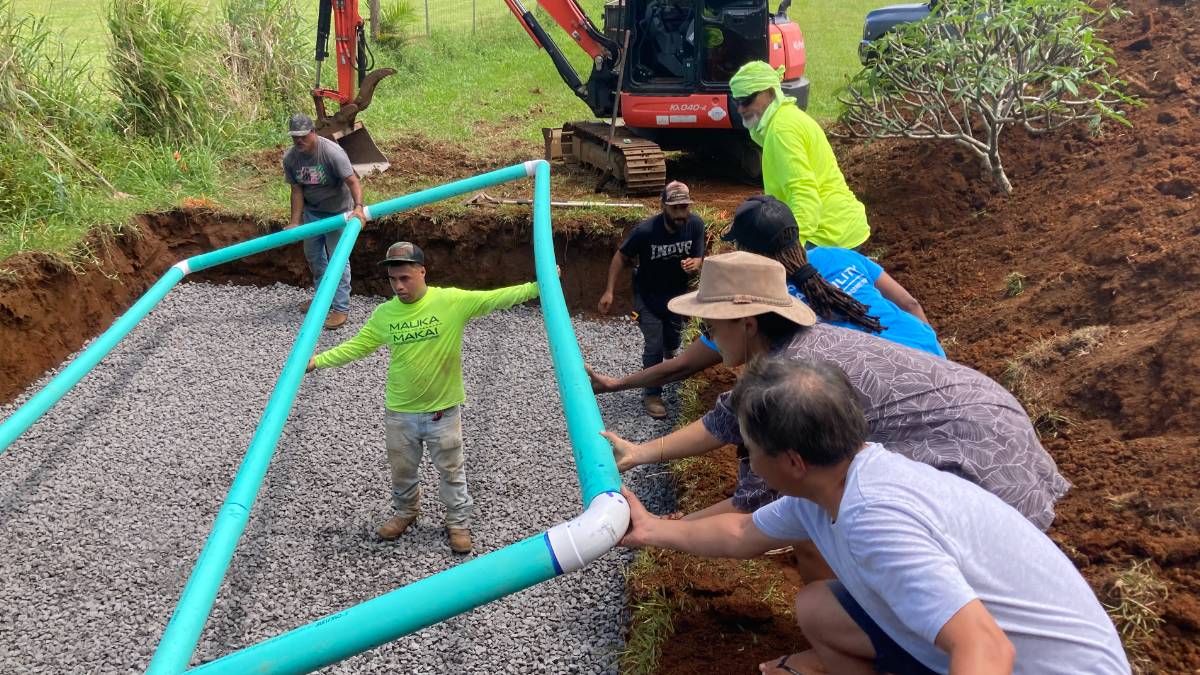
The certificate is 23 credits and can be achieved in one year. Coursework encompasses wastewater, construction and design, and sustainability. Classes include experiential learning and an internship, which allow for students to get hands-on experience and explore what sector of the wastewater industry they are interested in.
“The cesspool issue is complex, and will require a multitude of different stakeholders working together to find solutions,” Cheek said. “The certificate was created in response to the growing need for more wastewater professionals in our communities.”
The courses educate students about the issues and solutions and connect them with wastewater professionals across Hawaiʻi.
“I really enjoy the mix of theoretical and practical information that the course provides,” said Marina Kukso, a student at Hawaiʻi Community College who was in search of a career change when she decided to pursue the certificate.
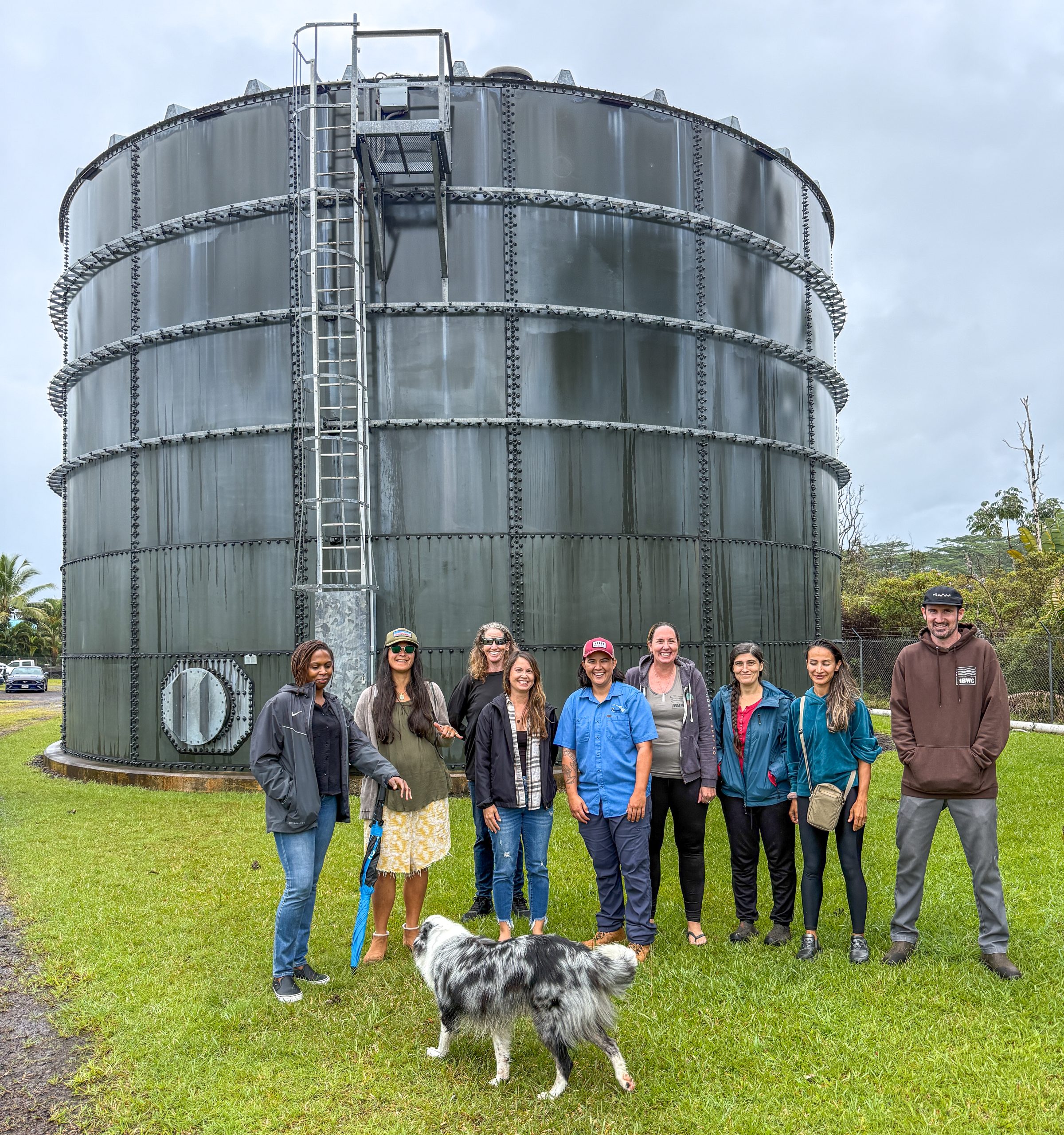
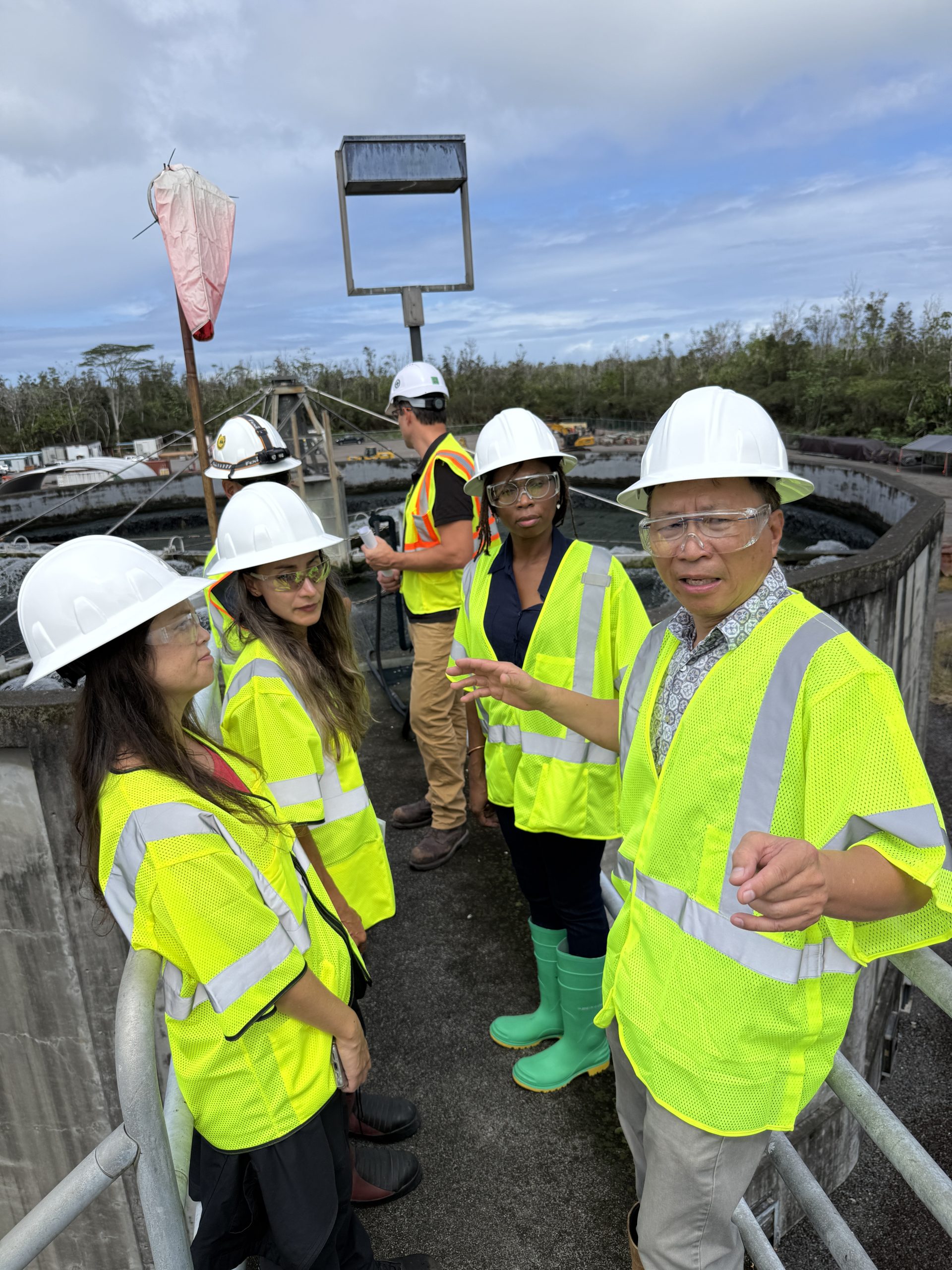
Kukso said the students have learned how various wastewater treatment systems operate, and they have had many opportunities to learn from professionals in the field and visit facilities.
“I hope to join the wastewater industry after this program, so this certificate has been the perfect springboard to help me fulfill my goals,” she said in a press release.
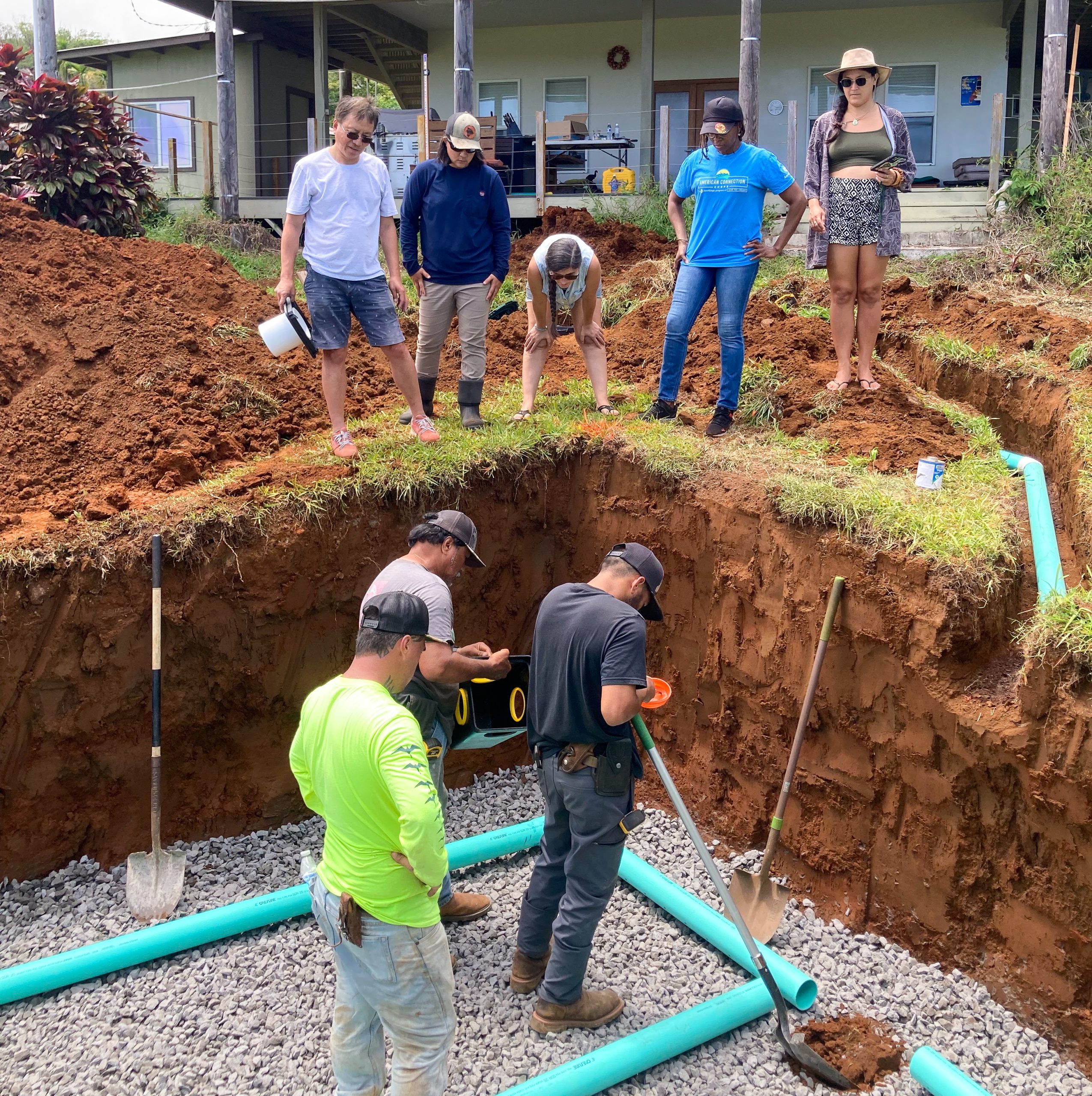
As flooding events become more frequent and severe, the demand rises for skilled wastewater technicians to address the cesspool crisis.
Hawaiʻi Community Collegeand UH Maui College are currently accepting students for the next cohort of students, which begins in August 2026. There are financial assistance opportunities available to cover tuition. For more information, email Charlotte at cheekc@hawaii.edu.