

Big Island Now news briefs for April 28: Stronger Hawaiʻi, customer communication, Agency of the Year, Jones Act
First round of Stronger Hawaiʻi grants awarded for kona low recovery
The first round of more than 20 grants from Hawaiʻi Community Foundation Stronger Hawaiʻi Fund, awarding more than $650,000 to nonprofits statewide in support of communities facing more than $2 billion in damage caused by the back-to-back kona lows in March.
Along with the immediate impacts also come longer-term challenges, such as agricultural losses increasing the state’s already 90% reliance on imported food. Infrastructure damage is also expected to delay housing development and other critical community projects.
“We are at a defining moment for Hawai‘i’s recovery,” said Hawaiʻi Community Foundation President and Chief Executive Officer Terry George announcing the first grant round. “The support we mobilize in the coming weeks will make a profound difference in whether families, farmers and small businesses can rebuild or face long-term displacement.”
Visit the Hawaiʻi Community Foundation website to learn more and contribute.
* * * * * * * * *
Hawaiian Electric awarded for public safety power shutoff customer communications
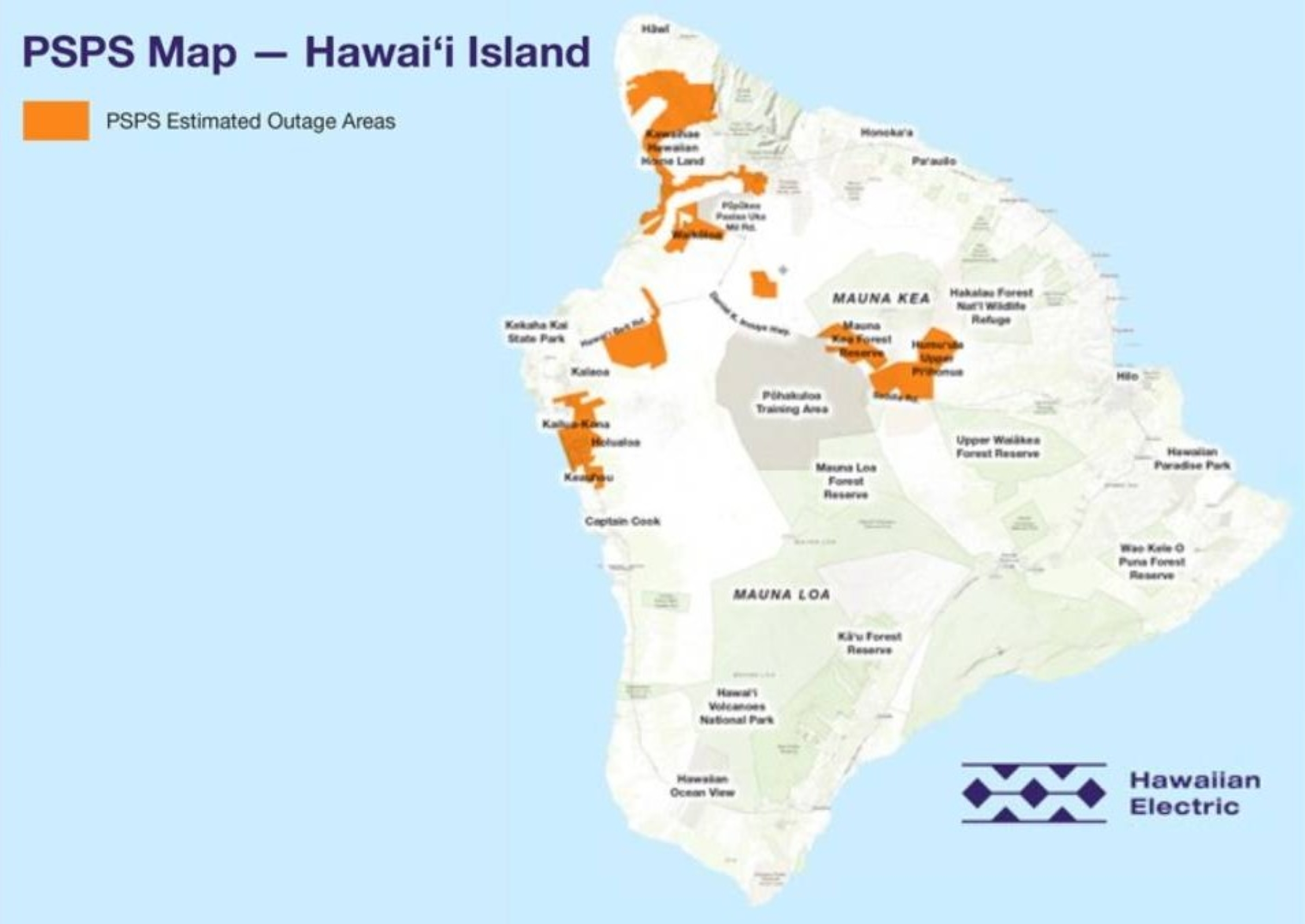
Hawaiian Electric received the 2026 Bronze Emergency Management Award from leading utility research provider Chartwell Inc., recognized the Hawai‘i utility for modernizing emergency communications in support of its public safety power shutoff program.
The program uses a multi-channel communications platform by Convey to notify customers throughout Oʻahu, Hawaiʻi Island, Maui, Molokaʻi and Lānaʻi about potential service disruptions necessary for public safety.
Hawaiian Electric issues proactive alerts in advance of a public safety power shutoff event, urging people to prepare for a potential shutoff and sends real-time updates if a shutoff is impending or underway. It also provides automated customer support.
Messaging is shared via texts, emails and/or voice communications in an effort to provide clarity and strengthen public safety during severe weather events, especially wildfires.
* * * * * * * * *

Hawai‘i Department of Law Enforcement named 2025 Agency of Year
Western States Information Network — which includes Hawaiʻi, California, Oregon, Washington and Alaska — recently named Hawaiʻi Department of Law Enforcement as its 2025 Agency of the Year.
“We are honored, but more importantly I am proud of our team,” said Hawaiʻi Department of Law Enforcement Director Mike Lambert in announcing the award. “This recognition shows that [Department of Law Enforcement] uses its crime-fighting tools to the fullest extent for the ultimate purpose of protecting our citizens.”
The network noted Hawai‘i Department of Law Enforcement investigative units are extremely active contributors to the Regional Information Sharing Systems Criminal Intelligence database and Officer Safety Event Confliction System.
Especially noteworthy is the agency’s willingness to take responsibility for the National Integrated Ballistic Information Network program for all of Hawaiʻi.
* * * * * * * * *

Case calls on Trump to extend Jones Act waiver
U.S. Rep. Ed Case, a Hawai‘i Democrat, in a recent letter asked President Donald Trump to extend a 60-day waiver of the Jones Act — which is set to expire May 17 — citing continued global shipping disruptions, constrained fuel supply chains and increasing gasoline and energy costs in Hawai‘i, along with implications for U.S. military readiness in the Indo-Pacific.
It allows international shipping to transit critical oil, fuel and other fossil fuel-based products from the mainland to Hawai‘i. It also provides an alternative — not now available under the act even in stable times — if international shipping stops or becomes prohibitively expensive.
Case warned that without the waiver, Hawai‘i is exposed to even higher sustained price spikes and potential fuel supply interruptions given the state’s extreme reliance on maritime imports and limited shipping options.
Those combined pressures risk continued increasing pressure on elevated fuel prices and constraints on Hawai‘i’s ability to secure and deliver essential energy supplies under stressed markets.