



Hula kāne, once stigmatized, celebrates 50 years on prestigious Merrie Monarch stage
In pre-colonial Hawaiʻi, men were the primary practitioners of the early traditional forms of hula, usually performed during sacred rituals. Kāne (men) danced to honor the gods and chiefs, or to share stories.
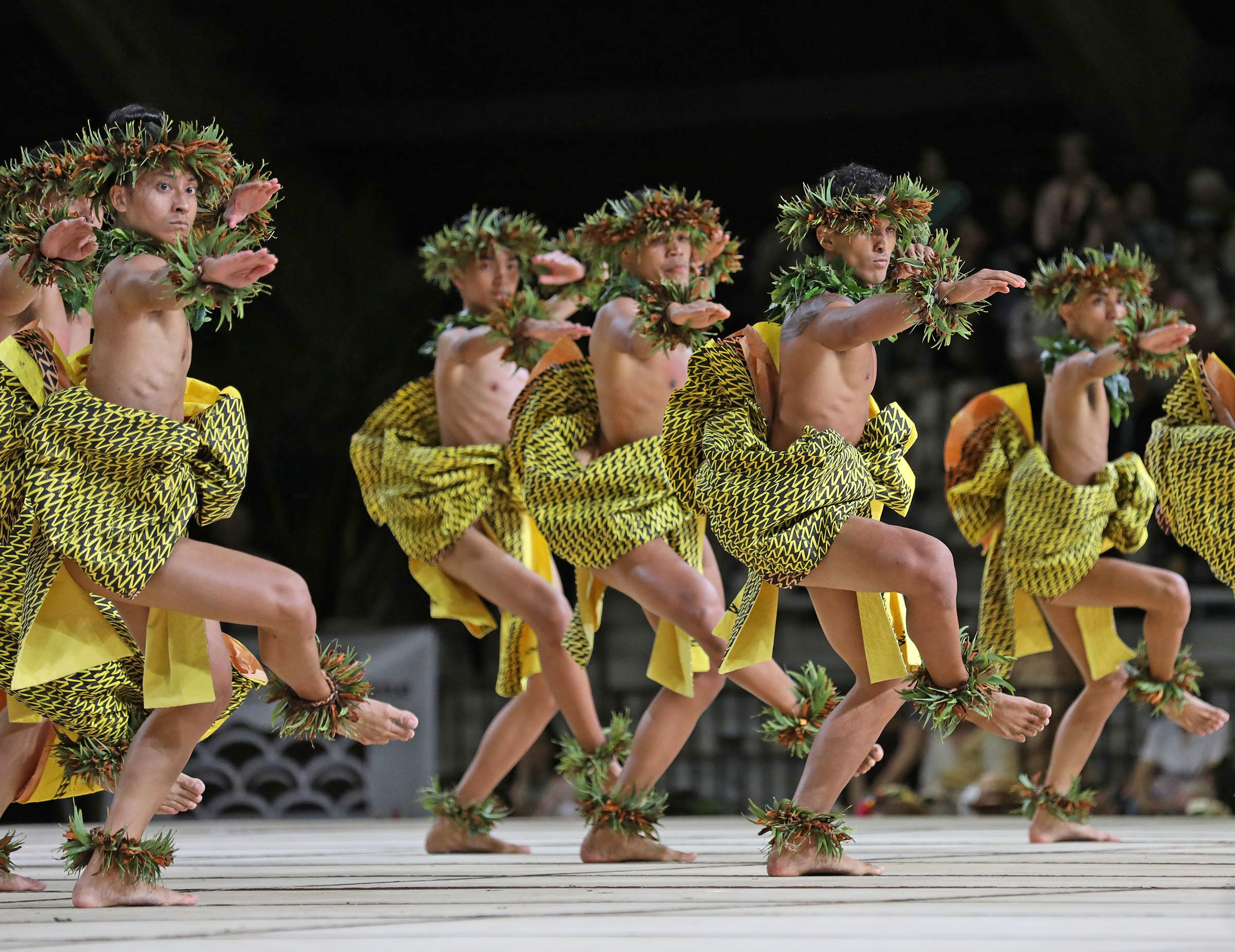
During the times of Kamehameha I (approximately 1770 to 1820), the dancers were warriors, often chosen by chiefs during Kū, the season of war and productivity.
But when American Protestant missionaries began arriving in 1820, they often would denounce hula as a “heathen” dance and the newly Christianized aliʻi (royalty and nobility) were urged to ban hula. In 1830, Queen Kaʻahumanu forbade public performances.
Many practiced it secretly for 40 years until the reign of King David Kalākaua from 1874 to 1891. Queen Liliʻuokalani stressed the importance of reviving the culture of their ancestors within the relentless western influence from foreigners.
When hula reemerged in public in the 20th century, it had changed drastically and became a spectacle of tourism centered around wahine (women), who had danced traditionally but now were often fetishized. A generational stigma also had taken root that hula was not manly, resulting in shame for kāne dancers.
So when the resurgence of ancient hula dancing began during the second Hawaiian Renaissance and with the establishment of the Merrie Monarch Festival in 1964, men did not participate.
That changed in 1976, when kumu hula John R. Kahaʻi Topolinski was among the first five kumu (teachers) to present kāne from their hālau (hula schools) on the Merrie Monarch stage. This year, the festival will celebrate the 50th anniversary of men competing, and Topolinski’s nā ʻōlapa kāne (men’s group) from Ka Pā Hula Hawaiʻi will take part after 29 years.
Things have changed greatly since 1976.
“When I was a young kid in the 1980s and even into the ’90s, very few men wanted to dance hula because people thought you were māhū (a derogatory term for gay or transgender individuals),” said kumu hula Robert Keano Ka‘upu IV. “There was a stigma that hula was no longer a form of exercise or cultural learning, just a women-centered performance for the satisfaction of the male gaze.”
Ka‘upu added: “It takes courage to fight that, which is why there are fewer kāne. But, the pioneers of kāne hula went against that because they saw its cultural, physical, intellectual and spiritual value.”
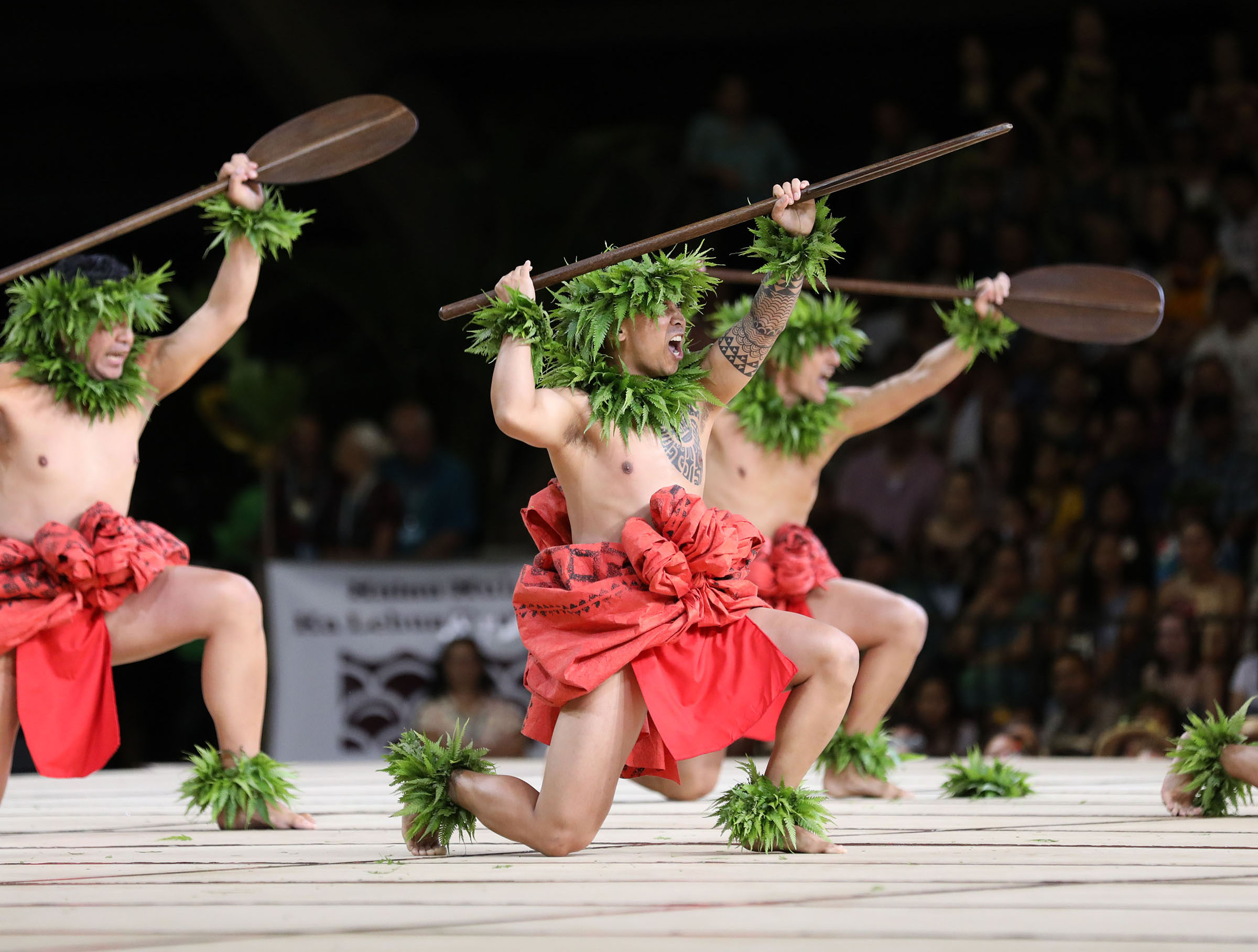
Afterall, it had been an important part of preparation for warriors. During Lono, the season of peace and harvest when warriors also rested for the next Kū season of war and productivity, hula was practiced to maintain strength, agility and skill.
“Kāne derived many (hula) steps from lua, the Hawaiian martial arts,” said Dr. Ikaika Bartolina, choreographer and dancer with Ka Pā Hula Hawaiʻi. “Lua was incorporated into dance as they conditioned their bodies and maintained their mindsets.”
Before last year’s Merrie Monarch Festival, Kaʻupu asked Topolinski for permission to use a mele he composed 20 to 30 years ago and for his guidance in understanding its meaning. Kaʻapu used the mele for the 2025 competition for his hālau, Hālau Hiʻiakaināmakalehua.
Looking back at the mele and being reminded of his history within the hula world inspired Topolinski to return this year to the 63rd annual Merrie Monarch Festival.
“My kumu (Topolinski) has a very distinct style that still thrives after 53 years, and he realized he wanted to remind the hula world of other styles and traditions out there,” said Dr. Ikaika Bartolina, choreographer and dancer with Ka Pā Hula Hawaiʻi. “What we didn’t consider when I sent the request letter to Aunty Luana Kawelu was that it is going to be the 50th anniversary of kāne hula.”
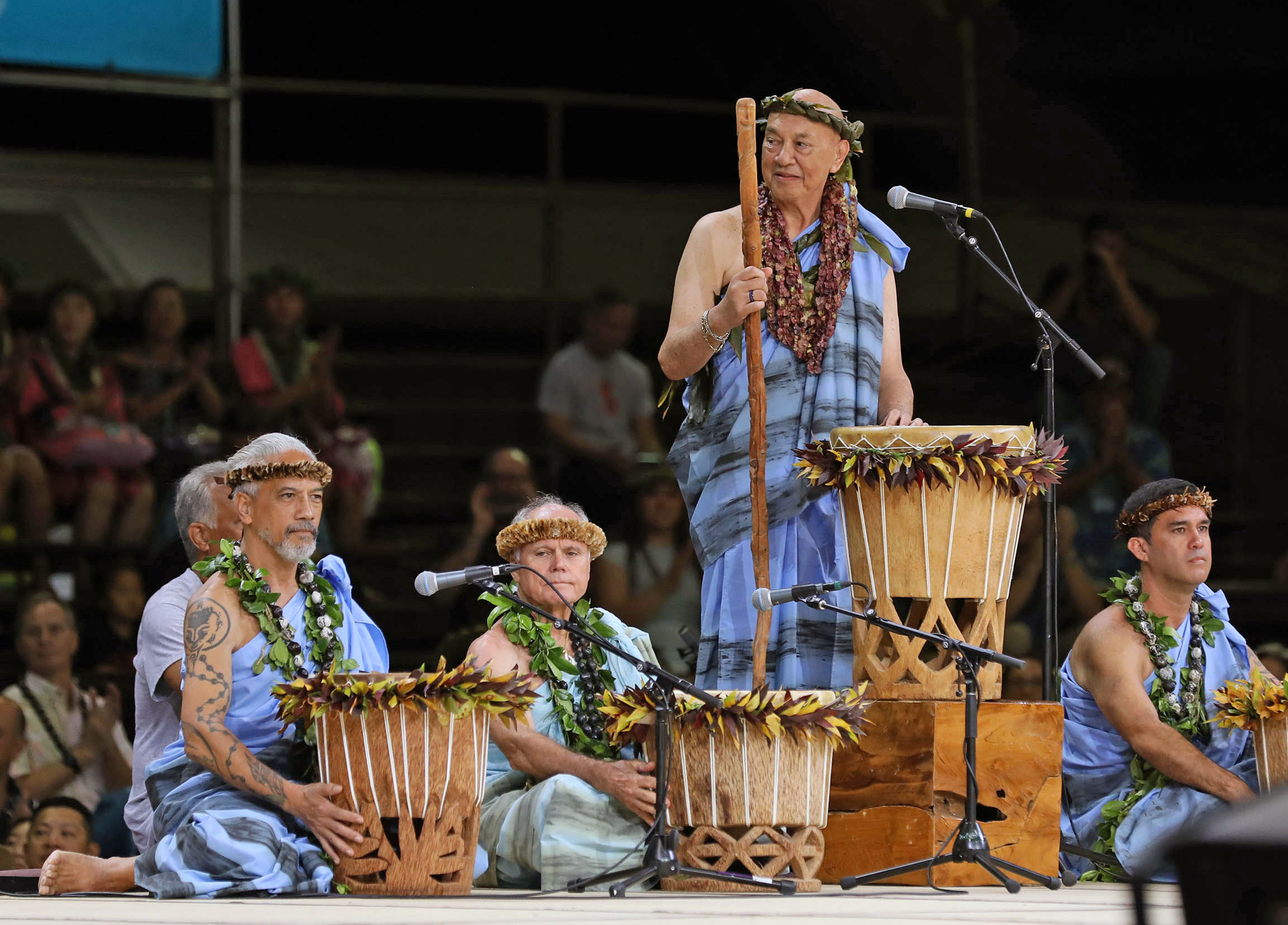
As part of the 50th anniversary milestone, several hula kāne groups, including Ka Pā Hula Hawaiʻi and Hālau Nā Kamalei o Lililehua, under the direction of kumu hula Robert Cazimero, will be featured during Wednesday night’s Hoʻike.
Hoʻike is the first night of the Merrie Monarch competition and is an exhibition of hula and folk dance from around the Pacific. The performances are free and will begin at 6 p.m. on Wednesday at the Edith Kanakaʻole Multi-Purpose Stadium in Hilo.
Since Cazimero retired from competitions after Merrie Monarch last year, Topolinski is the last kumu hula from the original five kāne hālau groups to compete in the 50th anniversary competition.
“I began to teach in 1973 because I wanted to restore the male image in hula that had been lacking for many years,” Topolinski said. “The greatest change in hula was the influence of Western ideas and dance movements on traditional hula. I felt the traditional hula was becoming lost and unrecognizable for future generations.”
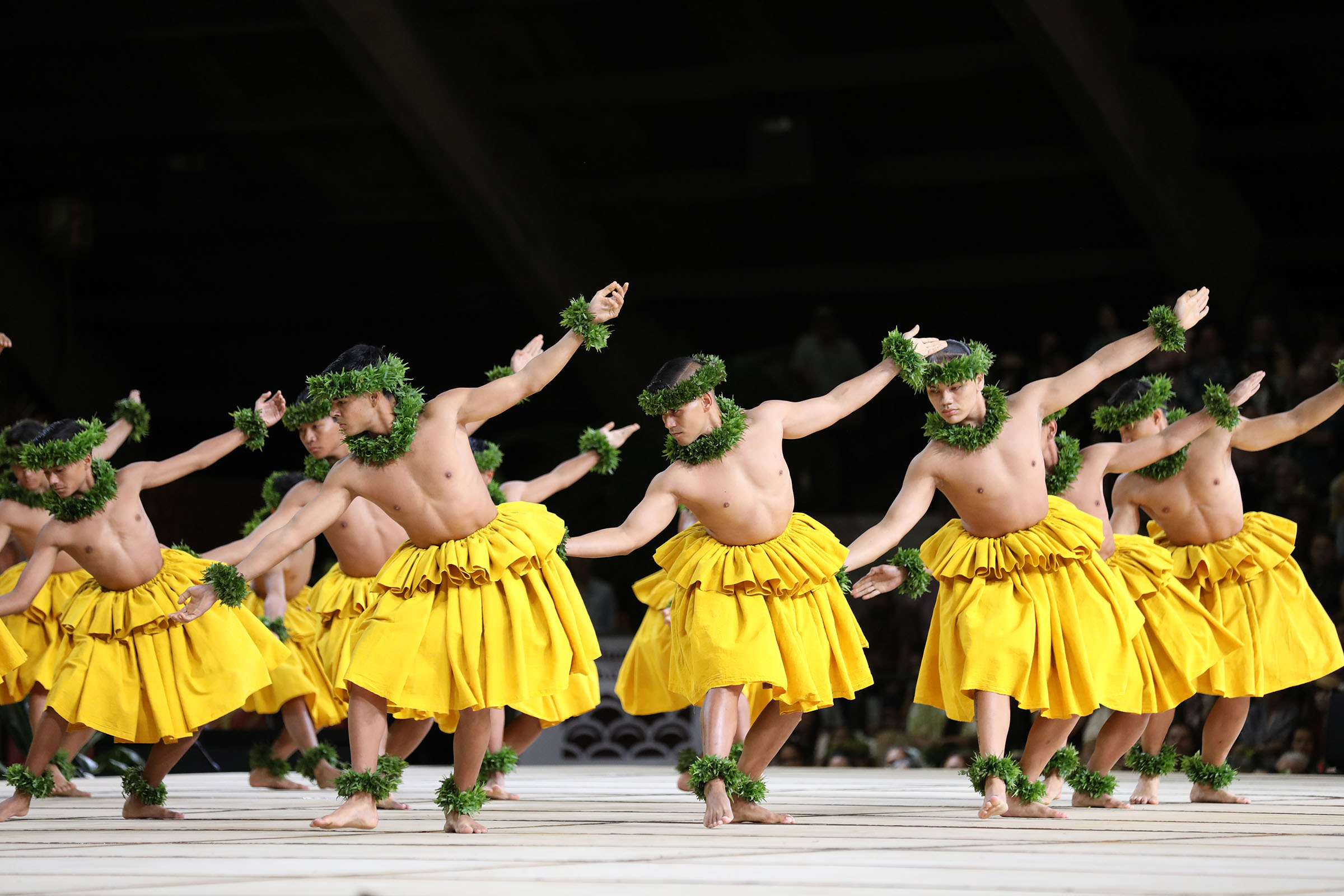
According to Bartolina, foot form is the most important part of kāne hula accompanied by the hand gestures that reflect the same meanings as the feet. Ka Pā Hula Hawaiʻi still uses ancient practices, such as foot movements derived from lua, to maintain the integrity of traditional hula.
“When we teach foot movements, we go down to the foundation — why it was created and what inspired kūpuna (ancestors) to create the step,” Bartolina said. “Then we look at what it means in terms of the mele and within the choreography. Intention enhances the energy coming from each step and connects dancers to the ʻāina (land) and kūpuna (elders).”
Ka‘upu grew up on the Big Island and began dancing as a student under kumu hula Ray Fonseca from 1990 to 1994. Ka‘upu then danced with Hālau O Ka Ua Kani Lehua, under the direction of the late kumu hula Johnny Lum Ho.
From 2001 to 2003, Ka‘upu performed on the Merrie Monarch stage with Hālau O Ka Ua Kani Lehua, which won kāne hula overall in 2002 and 2003.
Ka‘upu moved to Oʻahu in his 20s and was a hula entertainer for luʻau, shows and events. Although he enjoyed performing, it did not take long for the job to become unfulfilling. After a push from his respected kumu, he realized that it was time to face his fears and go through the ʻūniki process to become a kumu hula himself.
ʻŪniki is a vigorous, often years-long process where a haumāna (student) demonstrates hula mastery to their kumu and peers. It involves a private rite and public ceremony, serving as a traditional “diploma” for dancers and teachers.
“I always wondered what I would do when I could not dance anymore,” Kaʻupu said. “I loved the creativity and choreography of dancing, but I didn’t know if I had that special thing that makes a kumu hula.
“My former partner’s mother, kumu hula Hōkūlani Holt-Padilla, posed the question of ʻūniki to me. I had to talk to my home kumu Uncle Johnny first and I remember he said, ‘If you not coming home, you got to do something.'”
After becoming a kumu hula, Ka‘upu and his former partner, Lono Padilla, established Hālau Hiʻiakaināmakalehua in 2008. Ten years later, they made their first appearance at the 56th annual Merrie Monarch. Both kumu were surprised when the hālau placed first in wahine kahiko.
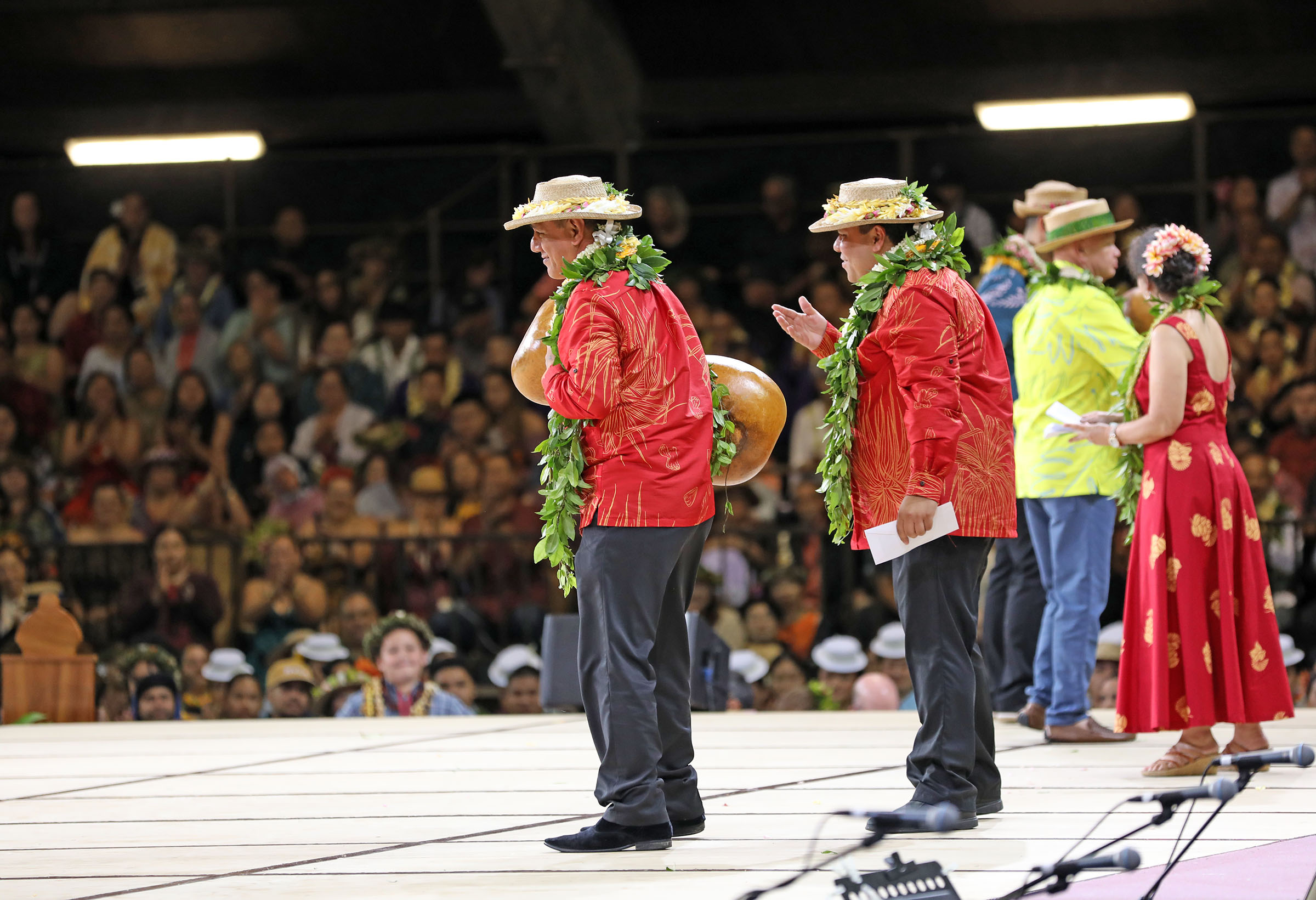
The first kāne placement was in 2022 when the hālau earned second place overall, second place in kāne kahiko, and third place in kāne ʻauana. In 2023, they placed first in kāne ʻauana and wahine ʻauana, and in 2024, they placed first in kāne overall and kāne kahiko and placed second in kāne ʻauana.
In 2025, Hālau Hiʻiakaināmakalehua earned second place overall in kāne hula. They also placed second in kāne kahiko and fourth place in kāne ʻauana.
“To bring kāne to the stage where I danced when I was 14, it feels like a full-circle moment every time, because I see myself in these men,” Ka‘upu said. “Compared to wahine, there aren’t as many kāne that want to dance hula or that are willing to put themselves out there, so the kāne who are eager to make the commitment to dive into the cultural practice of hula are admirable.”
Ka‘upu has been able to watch men grow throughout their time in hālau and hear about how they use their hula practices in everyday life. Several of his haumāna (students) have been more empowered by their experience in hālau to pursue degrees in Hawaiian Studies or Hawaiian Language, or they seek jobs within their Native Hawaiian communities.
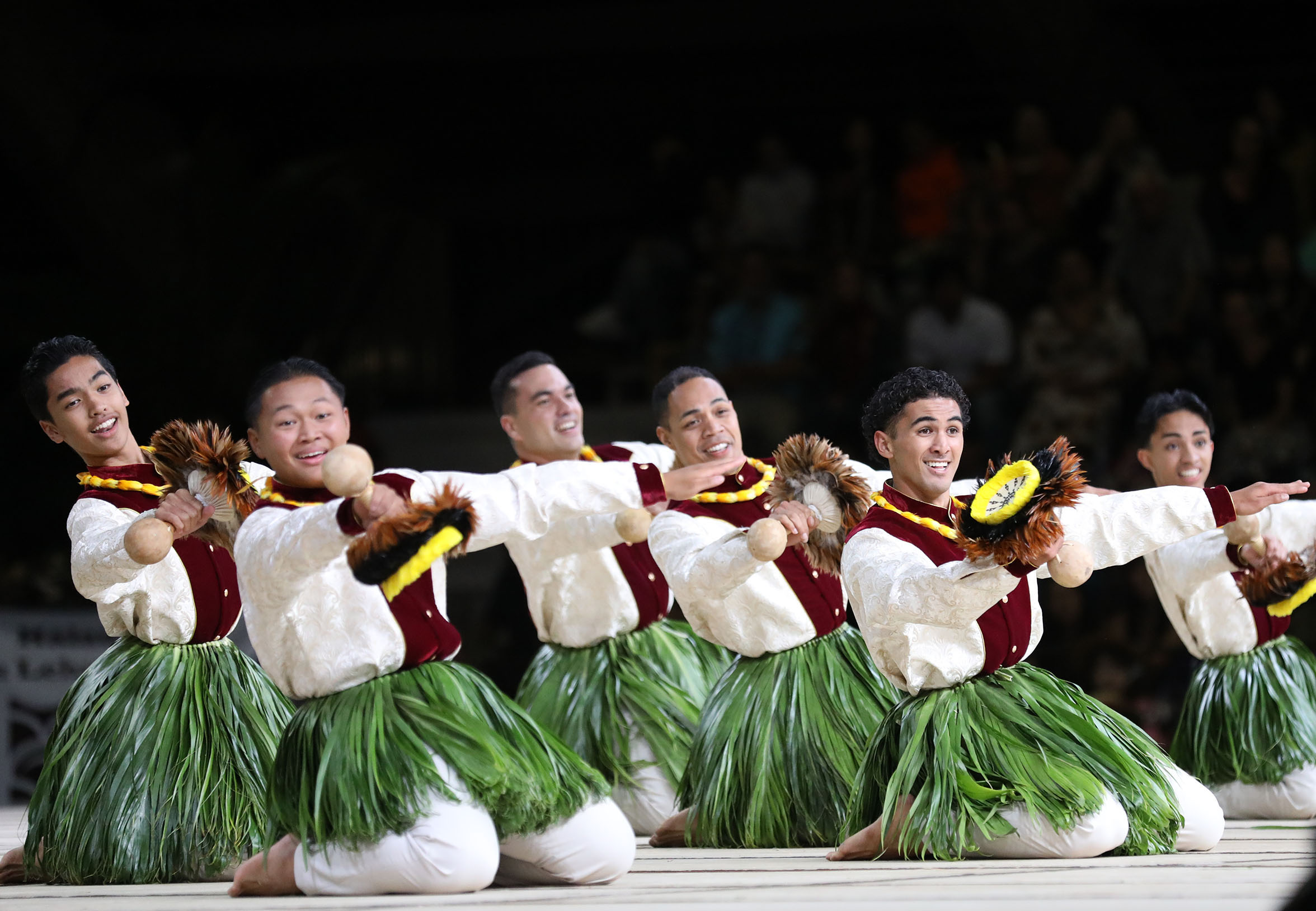
“All of these students use the philosophies they have learned through practicing hula in their lives in one way or another,” Kaʻupu said. “I’ve seen kāne learn how to be intentional with every part of their lives instead of acting first and thinking later. They want to learn more about their culture and I’m always proud to see that growth. Connecting with our culture, histories and stories opens us up to our purpose.”
Ka Pā Hula Hawaiʻi will be bringing 13 men, including Bartolina, to dance in the 63rd annual Merrie Monarch Festival. The group includes beginning to intermediate dancers as well as alumni of the hālau.
“We had about four men regularly coming in for practice and five is the minimum, so we did some advertising and asked former dancers who did not get a chance to dance in Merrie Monarch to join,” Bartolina said. “Kumu wanted former dancers because they carry the style with them. Some of our inexperienced kāne don’t have it all down just yet, but they get to watch the alumni that they’ve seen in videos show them in person how this traditional style can be done successfully.”
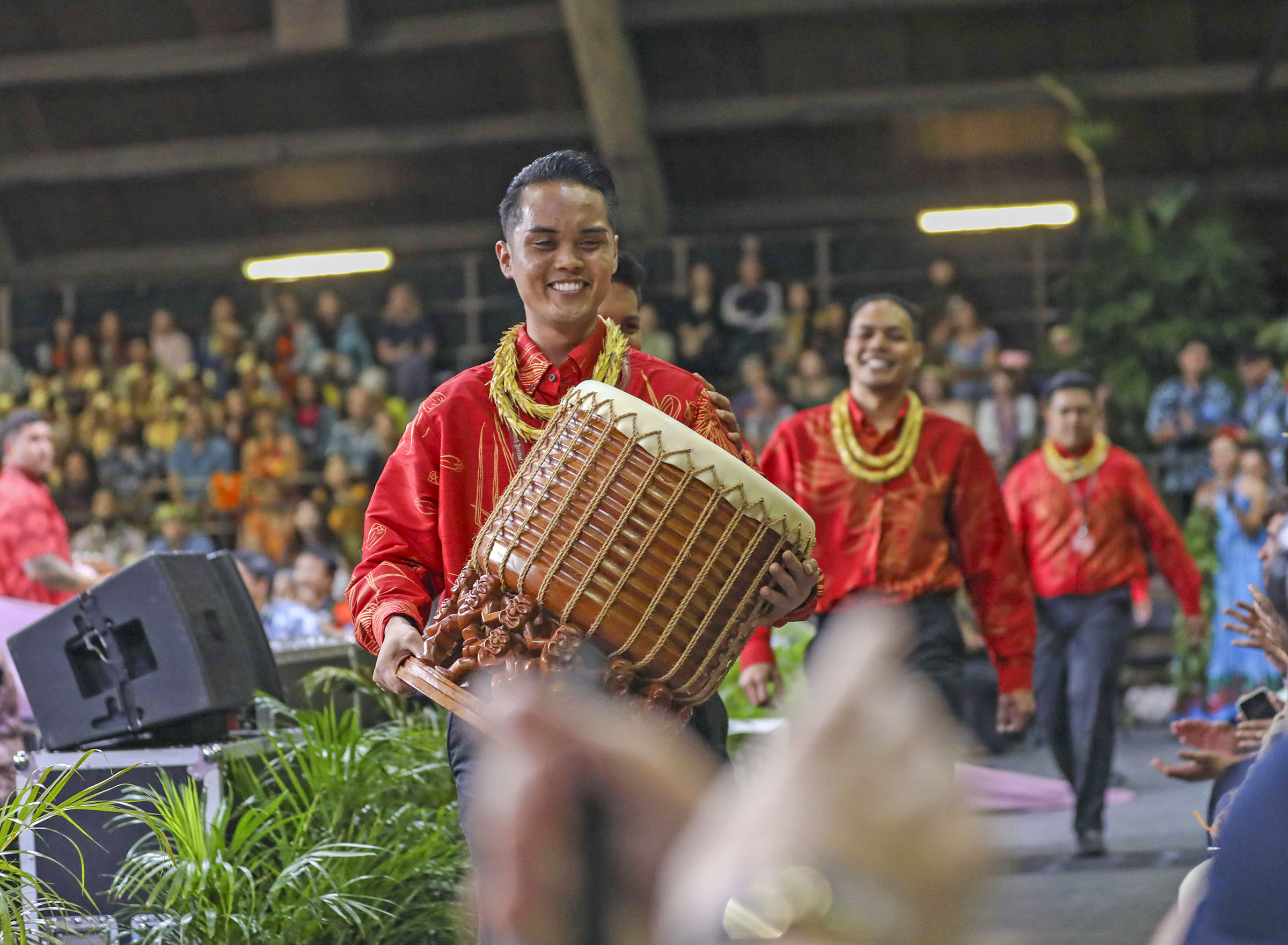
Hālau Hiʻiakaināmakalehua is bringing the largest group of kāne yet with 19 men set to perform on the Merrie Monarch stage and honor the kāne who came before them.
“While it feels important to win, it ultimately is not an important thing for me,” Kaʻupu said. “For this 50-year milestone, I want every kāne hālau to bring their A-game and to give the best hula possible. I look at this year as an opportunity to reflect on how far we have come as a people, because we all understand the struggle that hula has endured to be as prevalent as it is now.”
He added: “I mahalo the kumu who continue to teach and the kumu hula who had the courage to dance despite the stigma and pave the way for every new generation that continues to practice hula.”
Sponsored Content


Subscribe to our Newsletter
Comments