 May 3, 2025 - August 23, 2025




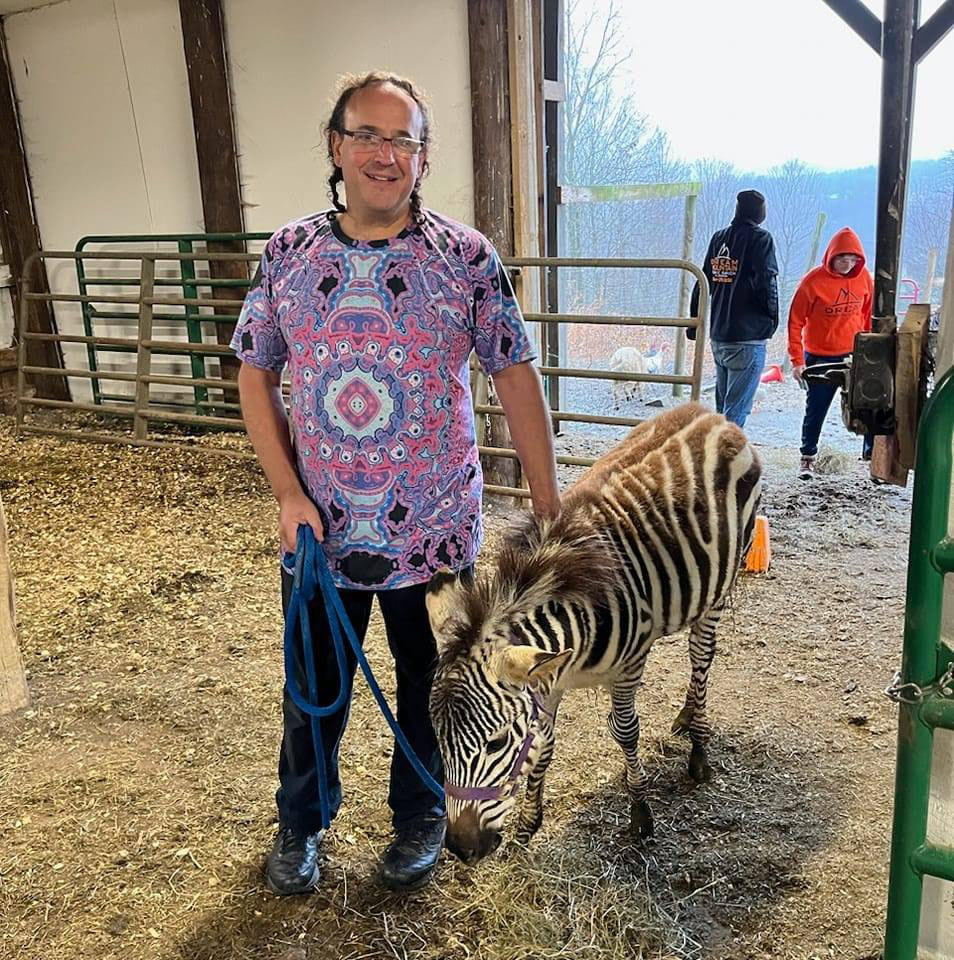
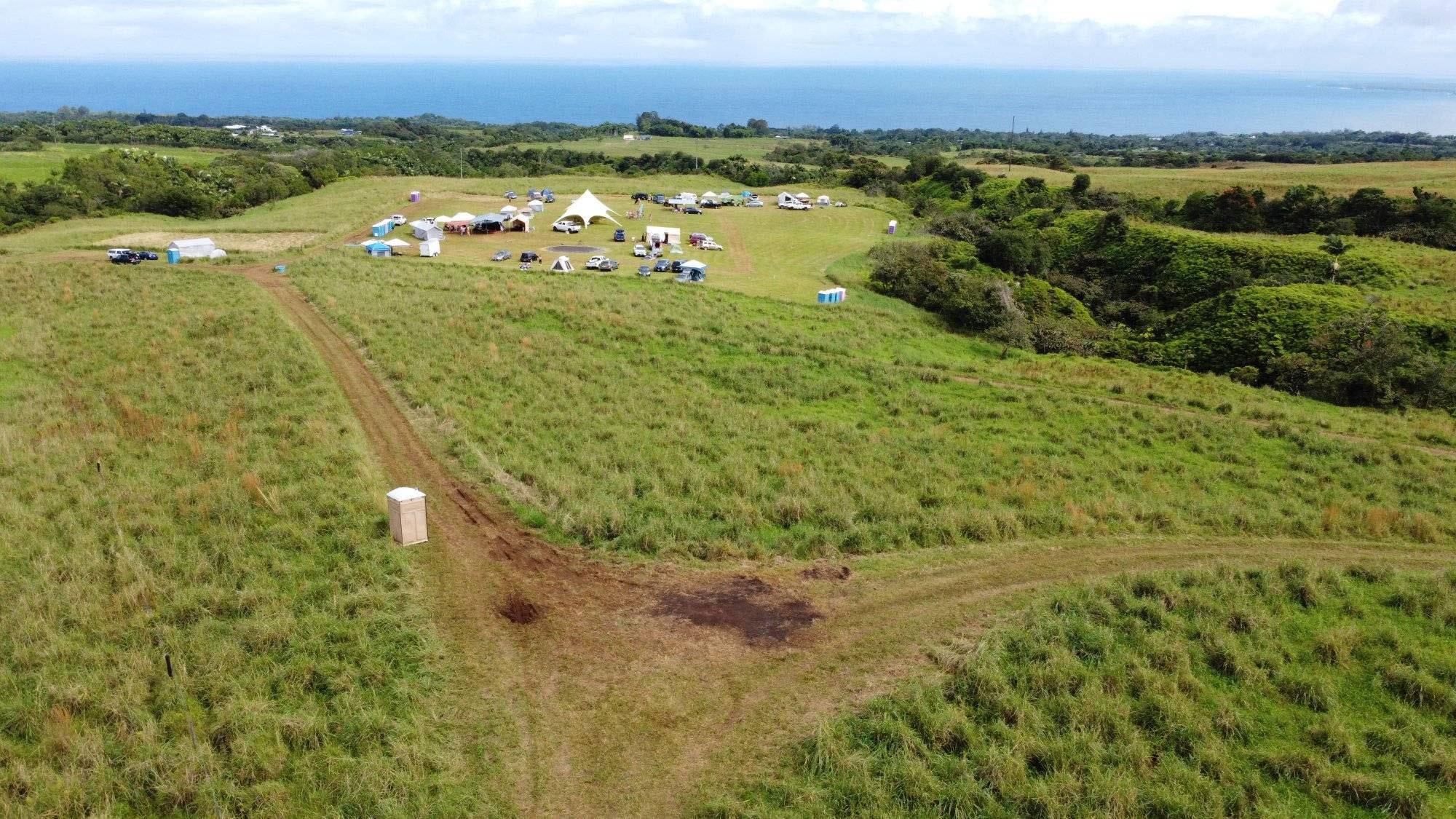
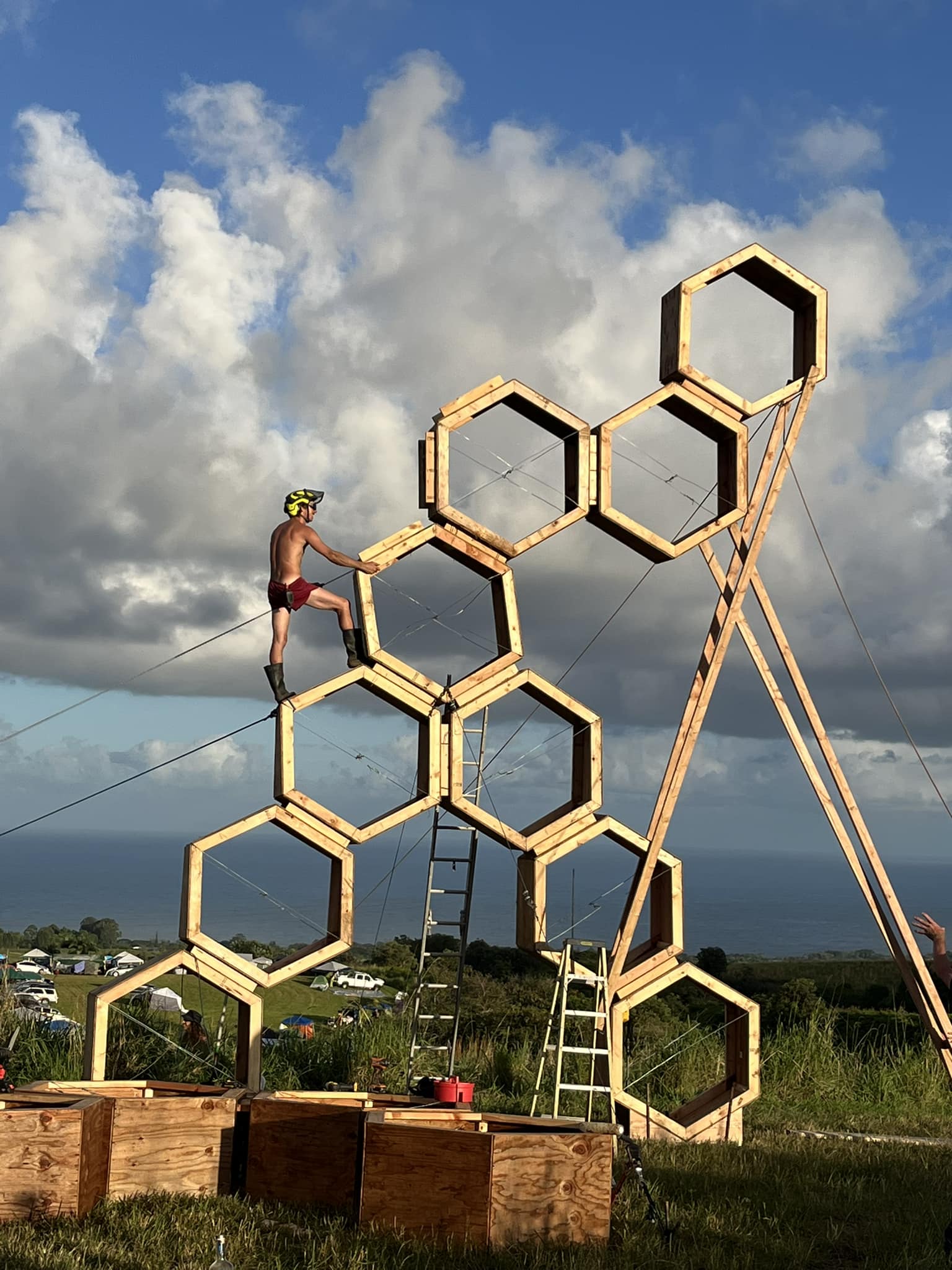
On a 15-acre portion of his land in Pāpaʻikou near Hilo, Pennsylvania native Andrew Tepper held a controversial festival in 2023 and 2024 called “Falls on Fire,” an event with a large wooden effigy inspired by the annual weeklong, large-scale Burning Man held in the Black Rock Desert in Nevada.
After receiving numerous complaints from neighbors, the County of Hawaiʻi Planning Department opened an investigation into Falls on Fire and found that Teppy Mountain LLC violated permitting laws in 2023.
In September 2024, Teppy hired Land Planning Hawaiʻi to apply for a special use permit to operate an annual festival event with overnight camping for up to 500 attendees and to legitimize the storage of commercial vehicles on a 14.7-acre portion of a larger 1,419.17-acre property in the state land use agricultural district.
Before any hearings could be set last year, the company was asked to clarify the use of fire for the event, which was vague, according to the Planning Department.
Despite repeated warnings to not to hold the event until a special use permit was issued, Falls of Fire took place last year from Nov. 8 to 11, with 200 attendees. The Planning Department fined the company $34,000 for violations that included camping, amplified sound and advertising on property zoned for state land use agriculture.
According to a supporter, Teppy Mountain had planned to host the event for 250 people this year. However, Tepper changed the plans when it was apparent that the hearing would take place after the event date, so he hosted a smaller gathering last weekend instead.
On Thursday, the Windward Planning Commission held a hearing for the contested case proceedings in Hilo to allow testifiers to voice their support or opposition for the decision to approve or deny the permit. Dozens of testifiers appeared in person and via Zoom.
If anyone was unable to testify, they still can submit written testimony until 4:30 p.m. on Monday. After examining all the testimony and evidence, the hearings officer will prepare a recommendation report of the case to the Windward Planning Commission.
The Commission must make its decision within 90 days of the hearing, which is Feb. 11, 2026.
Sunny Arashiro, a lifelong Pāpaʻikou resident, attended the meeting with her father and grandmother to explain why she believes the quiet town of Pāpaʻikou would not want to be associated with the reputation of Burning Man.
“When I think of Pāpaʻikou, I think of the peaceful charm that runs through this area,” Arashiro said. “It would be extremely difficult to find someone in Pāpaʻikou who would be okay with this festival being part of the legacy and reputation of this place.
“Saying that this festival is an opportunity to blend Hawaiian culture and Burning Man culture is a misrepresentation and misunderstanding of Hawaiian culture and history — a history marked by wealthy settlers taking large amounts of land from families who have been there for generations for their own amusement and interests.”
Similar to the mainland festival, Falls on Fire follows the 10 principles of Burning Man, which include ideals of self-reliance, “leave no trace” and decommodification.
But during the testimony, supporters who live near the event or have attended the event reiterated that the land was cared for and that the comparison to Burning Man is not accurate to what they are doing on the Teppy Mountain property, emphasizing the healing benefits that stem from the community built during the festival.
“Burning Man sounds like this big, scary thing, but painting this as that is a different picture than what is happening,” Misti Jones testified. “We follow the Burning Man principles, but are not recognized by the larger organization.
“This is a small, three-day camping event that feels more like a family reunion and it won’t grow beyond this scale. This year we also opted to not burn anything and we don’t need to burn anything. Our community is leave no trace and we intend to leave things better than we found them. This is not a bunch of people partying and trashing the place.”
Dylan Shropshire, co-founder of Big Island Grown on the Hāmākua Coast, also testified in favor of the special use permit stating he has been to the property and was happy to see that since Tepper purchased the land in 2021, he has not developed it or made many changes.
“After purchasing the property, Mr. Tepper allowed the longtime rancher to stay there and continue his award-winning conservation efforts,” Shropshire said. “Also, this event is happening on thousands of acres, so it is low impact. I have been to barbecues with a larger impact.
“If he had done the party but not told anyone, we wouldn’t be here. But he wants to do the right thing. We are in a divisive time and we need love and connection. We need things like this very much.”
Opponents of the permit mostly spoke about the cultural implications of the festival as well as the lack of environmental studies done, especially after a harsh season of wildfires on the Hāmākua Coast.
While there weren’t complaints of trash, one Zoom testifier was frustrated by the noise that affected his family when Teppy Mountain hosted the gathering last weekend.
“My opposition comes from the fact that this has not been authorized and it has been disruptive,” Ryan Marshall said. “I hear that this is healing and I do think there should be more events like that, but there should also be a curfew.
“Some people have jobs in the morning or need to make long drives and are unable to sleep. I’m a few roads down, but I heard this music going on through the night until the next morning. This needs to be a regulated event.”
Days before the hearing, Tepper put his phone number on several Facebook comments and pages when he saw people discussing the hearing for the special use permit. However, he said that no one called him beforehand.
“I noticed that the people who were in favor have either been to the festival or have spoken to me, and those who are opposed have not interacted with me at all,” Tepper said. “I’m open to having these conversations and I have had Native Hawaiian people there at these events. There are also people with knowledge of the soil, plants and agriculture that support what we’re doing.”
Tepper was present during the hearing and reached out to several testifiers with his contact information and an invitation to the land, so they could see what he was doing and what his plans are for the future.
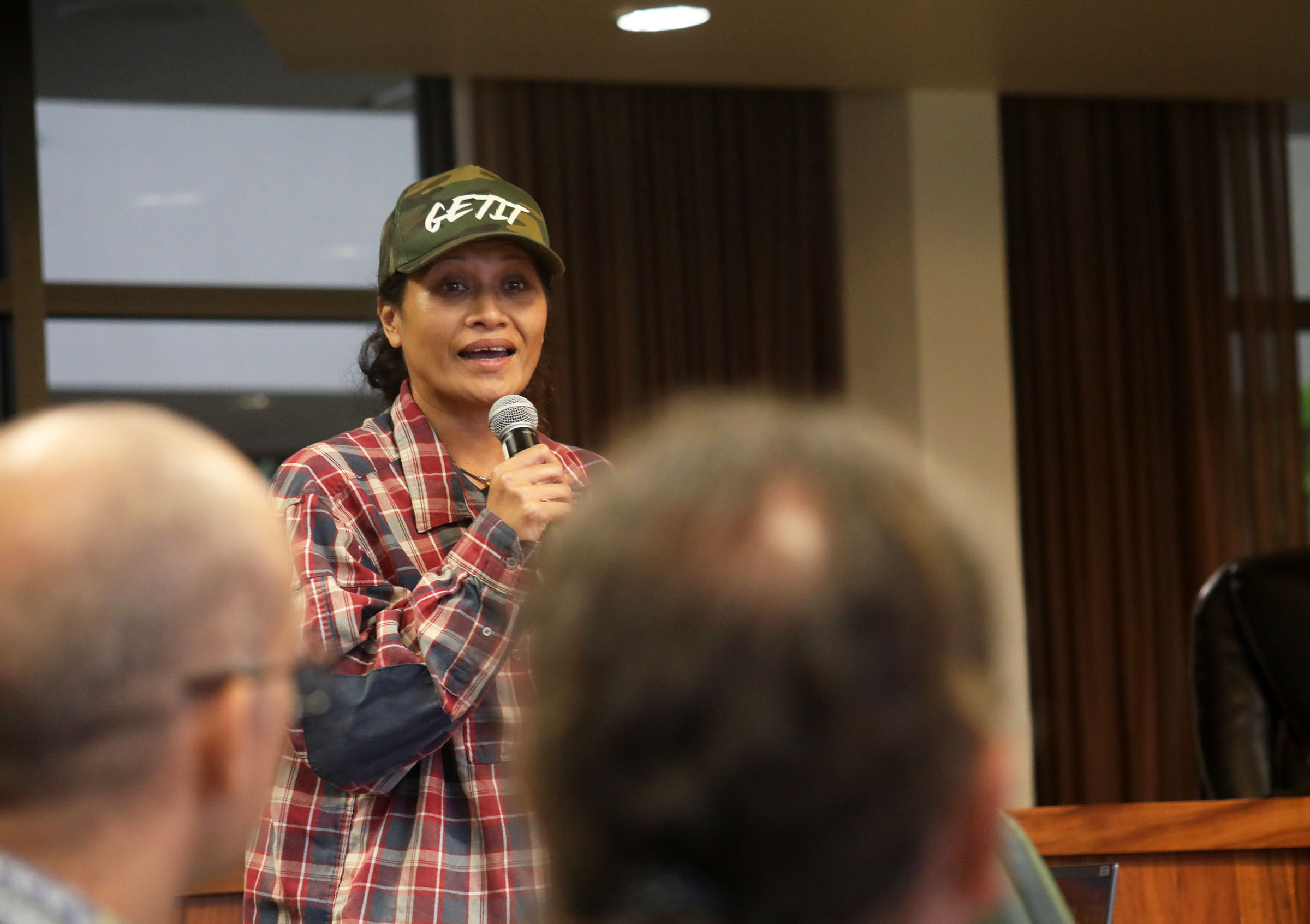
While some opposing voices are open to a dialogue with Tepper, they were still frustrated that the events happened in the first place, especially when it was known that they were not permitted and there was seemingly no conversations with Native Hawaiians.
“I think emotions are being brought out with this issue because of the blatant disregard of our laws in place that are there to prevent potentially damaging things from happening,” said opposer Leilani DeMello.
“However, it seems that he was operating with a mindset of ‘better to ask forgiveness than permission,’ It just seems that there were several years of disregarding the rules. While some of our neighbors are over here fighting to have a chicken on their property, mainland landowners are actively breaking the laws.”
North Kohala resident Jeremiah Morgan strongly supports the special permit for Teppy Mountain and compared the festival to that of ʻAha Makahiki, the Hawaiian New Year festival that encourages reflection and celebrates ʻāina and communal abundance during the season of harvest and peace.
“This is a celebration of life, of the seasons, where we bring our best gifts of art and song together. We love that land and I personally do conservation there such as invasive species mitigation. I have also patched the road several times,” Morgan said. “Someone digs out the repairs every time and it’s sad that there is so much opposition to someone trying to build community. We need to look at this as an opportunity to find our inner child and enjoy something fun for a few days.”
For Arashiro, her opposition to this permit application has nothing to do with fun or with what is happening during the festival. For her ʻohana, the issue is about the implication that having a festival similar to Burning Man would have for the future of Pāpaʻikou.
“People who support the permit are under the idea that they understand where we are coming from, but from the things they were saying, they are not aligned at all,” Arashiro said. “My concerns are about who this will attract to our community. The land is beautiful and more houses are going up for sale and anyone can buy them.
“Mr. Tepper is a nice guy, but I hope they deny this permit. Just because you say you are open to learning and understanding our culture and our perspective, does not mean you are actually doing that.”
To submit written testimony, email WPCtestimony@hawaiicounty.gov, or mail it to the Windward Planning Commission at 101 Pauahi St., Suite 3, Hilo, or drop it off at the Planning Department offices in Hilo or Kona at 74-5044 Ane Keohokālole Highway, Building E, Kailua-Kona.
Editors note: An earlier iteration of this article misidentified Dylan Shropshire as an owner of Big Island Grown. It has been changed to co-founder.
Editors note: An earlier iteration of this article misattributed a quote to Sunny Arashiro. The quote has been attributed to Leilani DeMello.
2025 Race Schedule
| Date | Club / Race | Site | Ev. | Sponsor |
|---|---|---|---|---|
| May 03 | Hoemana – Kai Kukini | Spencer Park | LD | Hoemana |
| May 10 | Kawaihae | Kawaihae | LD | Kawaihae |
| May 17 | Kai‘Ehitu / Papa Kimetete | Kailua-Kona | LD | Kai‘Ehitu |
| May 24 | Keauhou | Kailua-Kona | LD | Keauhou |
| May 31 | Hui Wa‘a O Waiākea / Ira & Barbara Kekaualua | Hilo Bay | LD | Hui Wa‘a |
| Jun 07 | Kai ‘Ōpua / King Kamehameha Day | Kailua-Kona | LD | Kai ‘Ōpua |
| Jun 14 | Kailana | Hilo Bay | Reg. | Kailana |
| Jun 21 | Keaukaha | Hilo Bay | Reg. | Keaukaha |
| Jun 28 | Puna | Hilo Bay | Reg. | Puna |
| Jul 05 | Kamehameha Hilo / John Kekua Jr | Hilo Bay | Reg. | Kamehameha |
| Jul 12 | Paddlers of Laka / Nā Wa‘a Hanakahi | Hilo Bay | Reg. | Laka / Nā Wa‘a |
| Jul 19 | Aunty Maile / Moku O Hawai‘i Championship | Hilo Bay | Reg. | TBA |
| Aug 02 | Hawaiian Canoe Racing Assn. States | Hanakao‘o Beach Pk, Lahaina | Reg. | Maui |
| Aug 09 | Miloli‘i | Miloli‘i | LD | Miloli‘i |
| Aug 16 | Keōua / Calvin Kelekolio | Honaunau | LD | Keōua |
| Aug 23 | Waikoloa / Great Waikoloa Race | Anaeho‘omalu Bay | LD | Waikoloa |