


Hawaiʻi’s 2-1-1 helpline for aid during federal government shutdown experiencing high volume
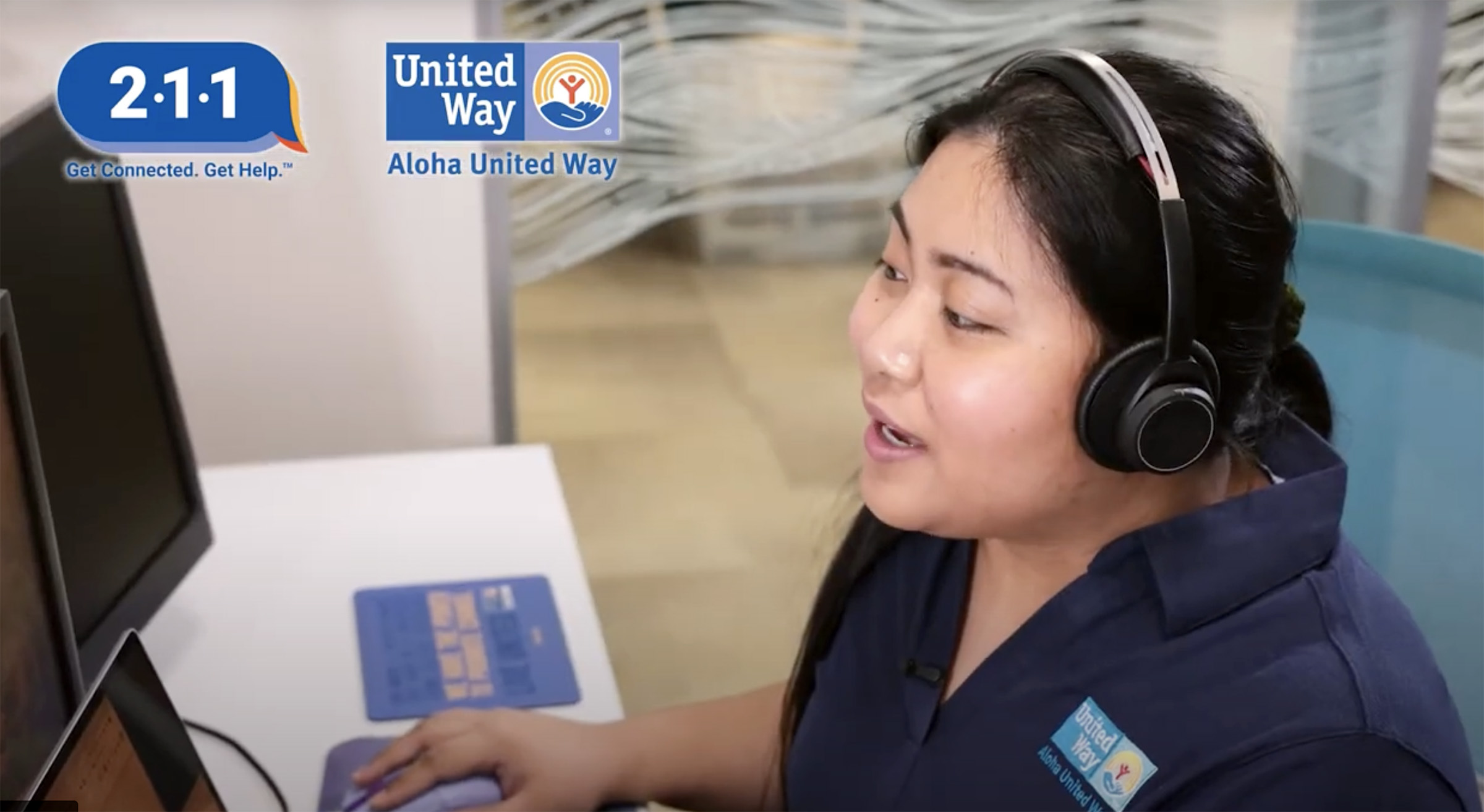
After Hawaiʻi Gov. Josh Green announced programs last week that are designed to provide support for housing and utilities for those facing uncertainty due to the ongoing federal government shutdown, the 2-1-1 statewide helpline has been flooded with calls.
The helpline typically handles about 150 calls a day, but that number has risen to more than 850 contacts in one day from residents seeking resources and information, according to Aloha United Way that operates the helpline.
The increase primarily is due to the announcement by Green of the Hawaiʻi Relief Program and the Hawaiʻi Emergency Food Assistance Program.
Eligible families can apply to receive assistance through the Hawaiʻi Relief Program — Temporary Assistance for Needy Families Support for Housing and Utility Payments. It is administered by the Department of Human Services in partnership with Catholic Charities Hawaiʻi.
“We understand that families are anxious and trying to access help as quickly as possible,” said Aloha United Way President and CEO Michelle Bartell. “Our priority is supporting everyone with clear information and compassionate service. We are asking the public to use our online search, text, and chat tools whenever possible so that we can ensure those most in crisis can access the resources they need.”
To receive assistance faster during this period of high demand, Aloha United Way encourages the public to use the following service options:
- Search the 211 online resource database 24/7: search.auw211.org
- Text “Help” to: 877-275-6569 to connect with a 211 specialist by text.
- Live chat at auw211.org
- Call 2-1-1 — callers may wait on the line, request a call-back, or leave a voicemail for a return call. Live hours: 7 a.m. to 10 p.m. HST, seven days a week
Aloha United Way continues to work closely with the Hawaiʻi Department of Human Services to share accurate and timely information, especially for those experiencing food insecurity or financial stress.
“We appreciate everyone’s patience as we help our community navigate evolving information around relief programs,” Bartell added. “With so many families relying on these lifelines, it’s critical that we share accurate information and ensure people feel supported.”
Utilities and housing assistance through the Hawaiʻi Relief Program can be found on the Catholic Charities website, by emailing hrp.mail@catholiccharitieshawaii.org, or by calling 808-521-4357.
Hawaiian Electric is also reminding customers experiencing financial hardships that they can take advantage of interest-free monthly installment plans along with waived late fees.
However, customers must pay new energy charges incurred by the stated date in addition to the monthly installments. To submit a request, navigate to the Payment Arrangement Options section on the Hawaiian Electric website.
For those looking to help family, friends, or someone in need with their electric bill, Hawaiian Electric is also offering the donation-based ʻOhana Energy Gift Card program, which allows donors to designate a specific amount to be applied to the gift recipient’s electric account.
After completing the form, which includes the intended recipient’s electric account number, the donor mails it in with a check, cashier’s check, or money order. The gift can be made anonymously, or the donor can send a personalized message. Recipients are notified after the account information is verified and the amount is applied.