



Hawaiʻi Department of Education advances efforts to cut food imports, boost local purchasing
With a statewide regional kitchen master plan now in motion, the Hawai‘i Department of Education (HIDOE) is turning its attention to transforming school menus to feature more locally grown and produced foods.
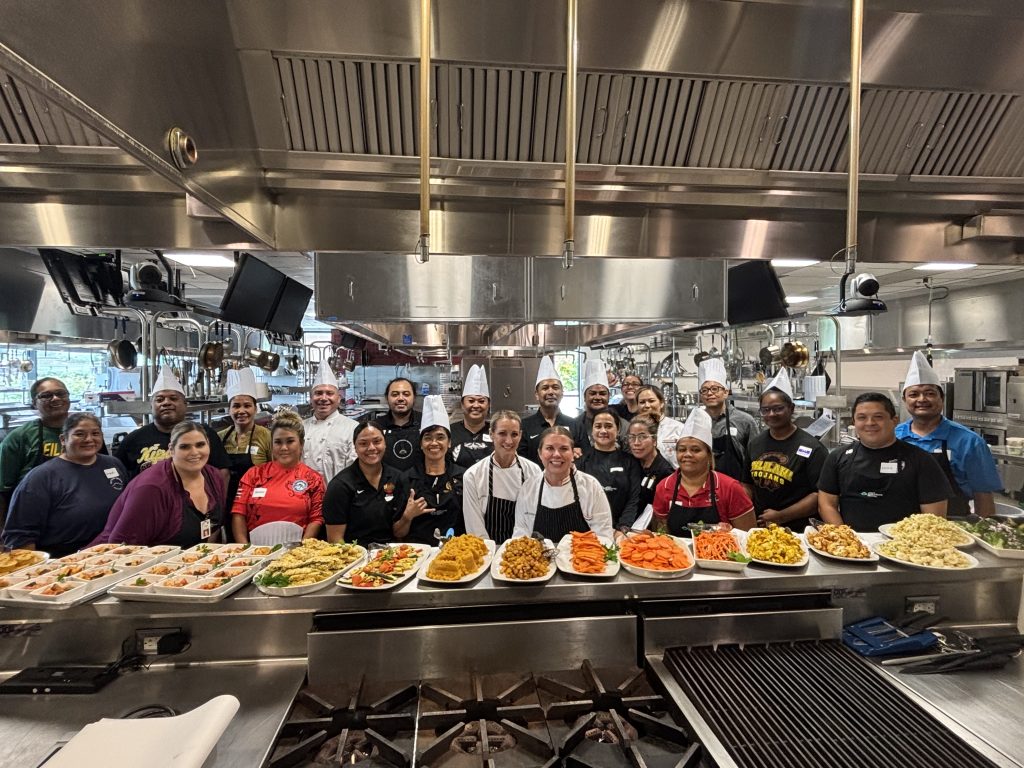
Building on the momentum of the Department’s regional kitchen model — launched earlier this year to modernize school food production and strengthen Hawaiʻi’s agricultural economy — this next phase centers on menu redevelopment and cafeteria staff training to deliver fresh, nutritious and culturally relevant meals that appeal to students.
“Our students deserve meals that fuel their learning and reflect the flavors of Hawai‘i,” Superintendent Keith Hayashi said. “This partnership is about reimagining school food to better serve our students while also strengthening our communities. We’re proud to be building a model that connects education, agriculture, and health in a meaningful way.”
First Lady Jaime Kanani Green added: “School meals are a proven way to address food insecurity for our keiki. Using more local foods to create nutritious meals is a win for our keiki, our farmers, and our economy.”
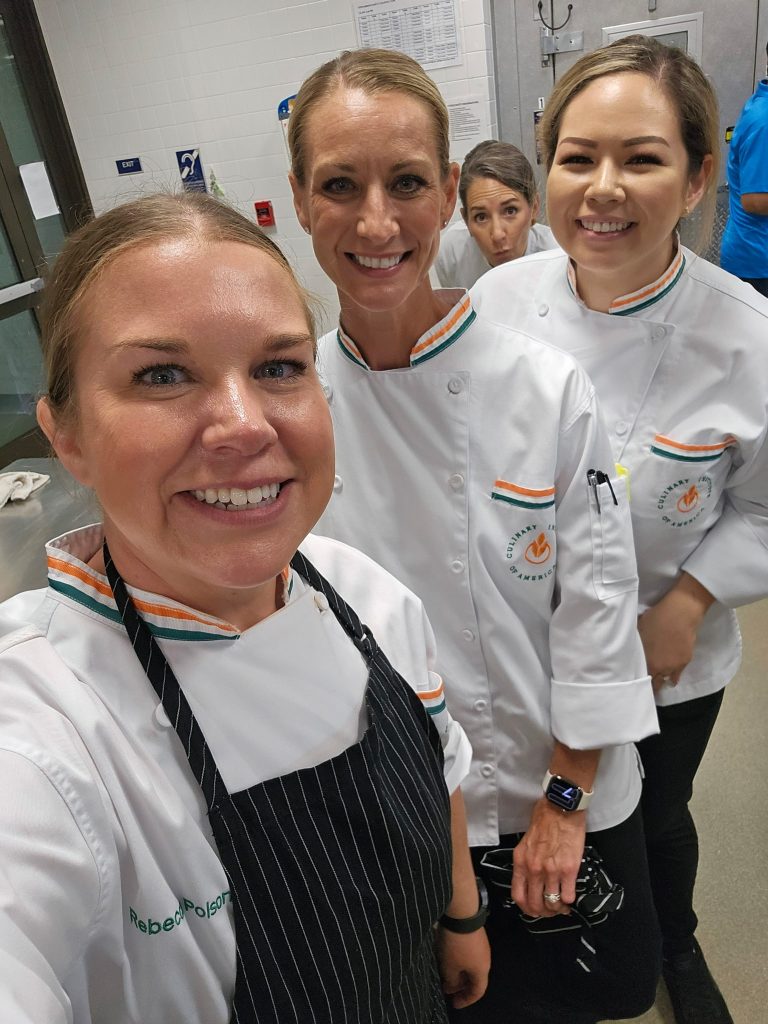
With funding provided by the state Legislature, HIDOE is contracting with Kapiʻolani Community College’s Culinary Institute of the Pacific (CIP) to lead the menu development process. CIP has brought in the nationally renowned Culinary Institute of America (CIA), a leader in school food innovation, to help develop student-informed menus that highlight Hawai‘i-grown ingredients.
“Creating new menus that are focused on locally sourced agricultural products ensures that we remain focused on replacing imports and providing opportunities to our local farmers to supply healthy and nutritious food for our students,” Senate Ways and Means Chair Donovan Dela Cruz said.
A kickoff meeting with stakeholders was held last week to launch the collaboration, and training for cafeteria staff began this week to ensure frontline workers are equipped with the skills to prepare and serve enhanced meals.
“Getting students to want to eat school meals starts with menus that are tasty as well as nutritious,” said Roy Yamaguchi, director of the Culinary Institute of the Pacific. “That’s why the Culinary Institute of the Pacific has engaged in a collaboration with the Culinary Institute of America, which has worked with school districts across the country to develop student-informed menus that keep meals fresh, flavorful, and appealing.”
The initiative is a key step toward meeting targets set by HB110 (Act 137, 2025), which reaffirms the state’s commitment to sourcing at least 30% of school food locally by 2030 and 50% by 2050.
“Designing menus around what we can grow and produce locally is key to achieving the goals outlined in HB110, Act 137 (2025),” House Majority Caucus Leader Kirstin Kahaloa said. “I introduced HB110 to reaffirm our commitment to 30% by 2030 and 50% by 2050, and to ensure that our keiki in our schools are nourished with fresh, local food.”
The regional kitchen model and its associated menu redesign and training efforts are part of a broader statewide initiative to modernize school food operations and improve the nutritional quality and cultural relevance of meals served across Hawaiʻi’s public schools.
Sponsored Content


Subscribe to our Newsletter
Comments